Em alta · Fibras
- 01
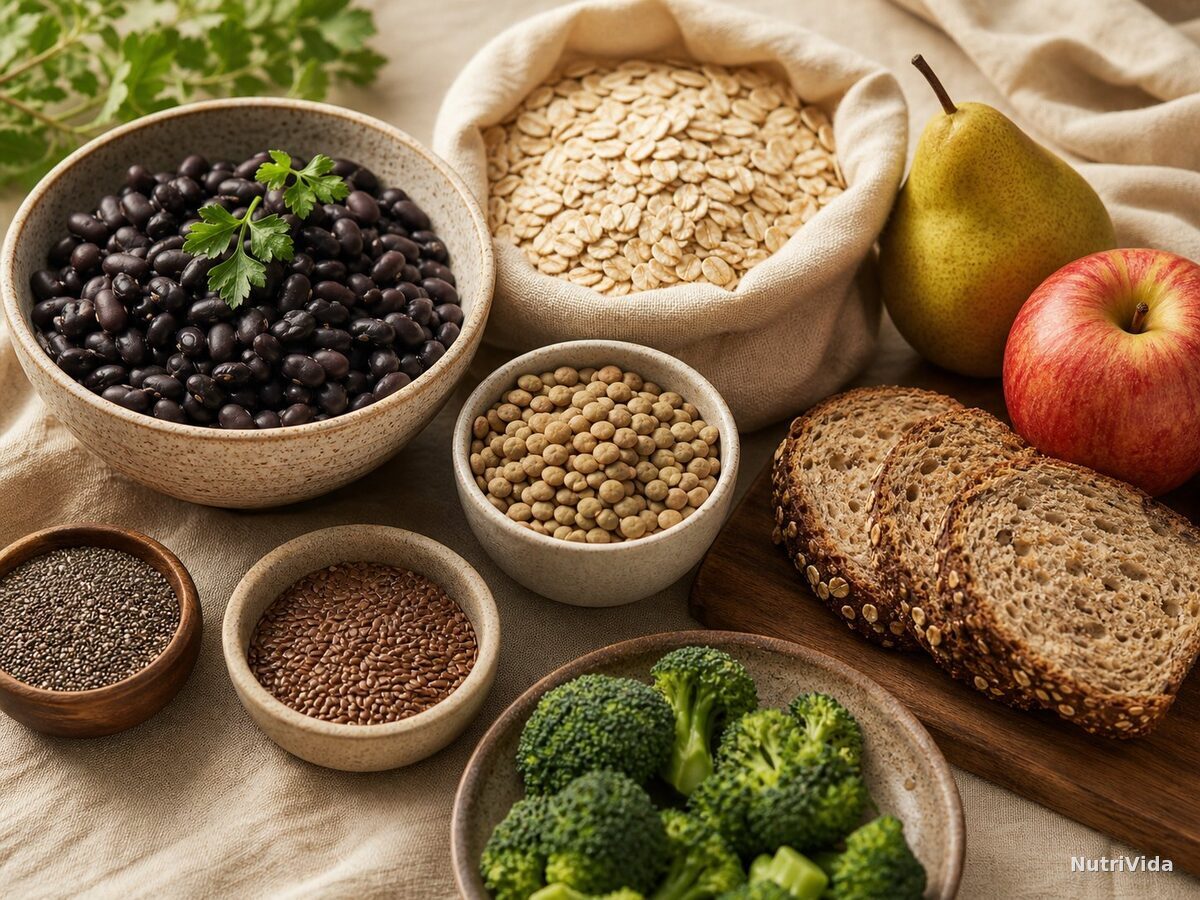 Fibras · Guia de alimentosAlimentos ricos em fibras: 30 opções e ideias para usar
 - 02
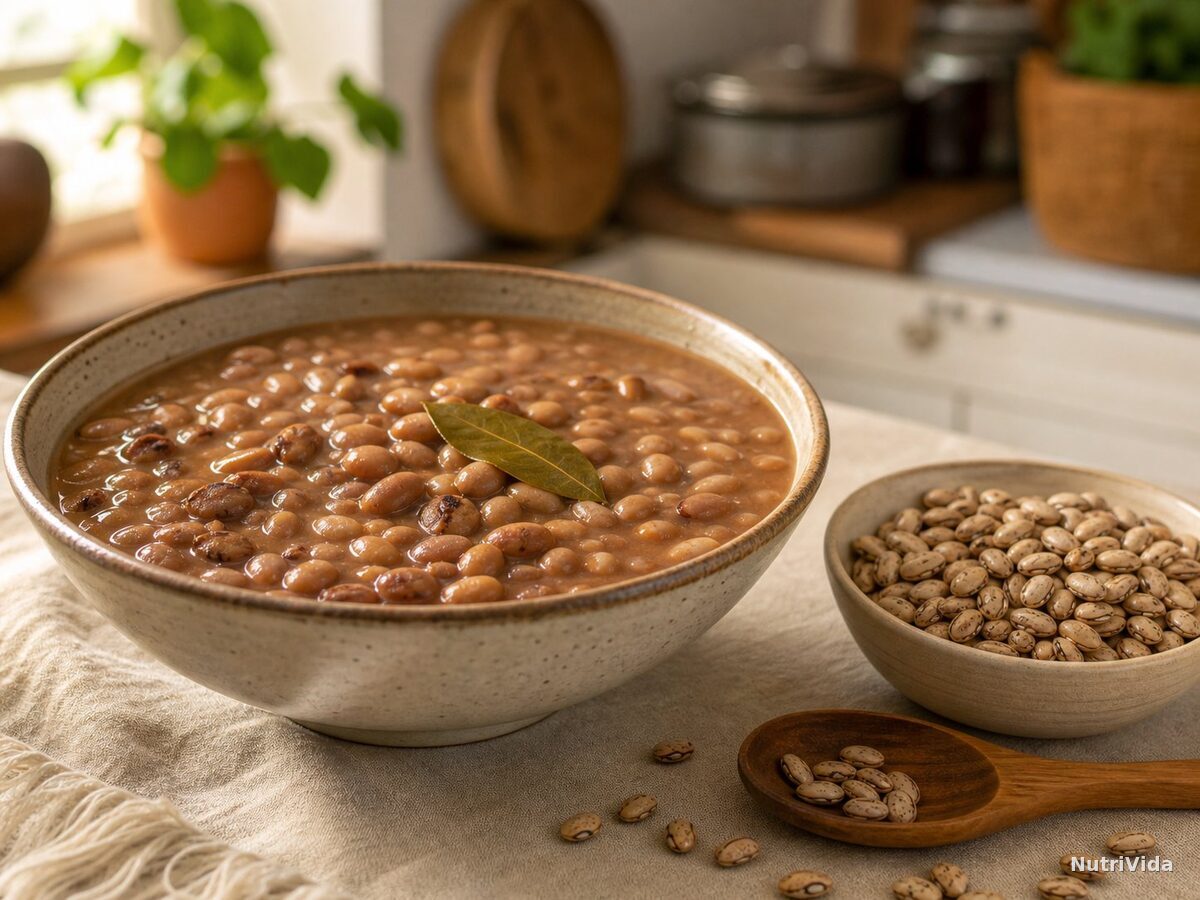
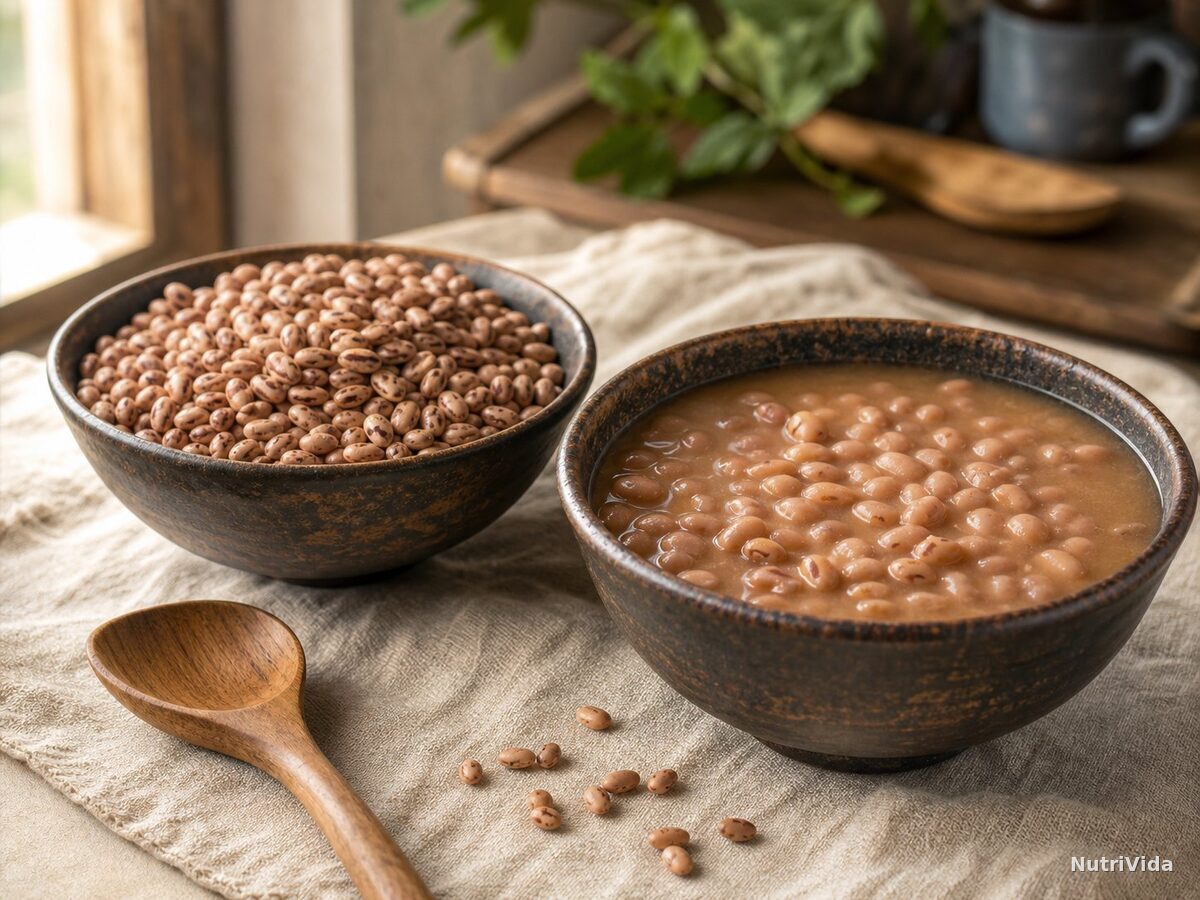 Fibras · FeijõesFeijão mulatinho: como cozinhar, tempo de pressão e caldo grosso
 - 03
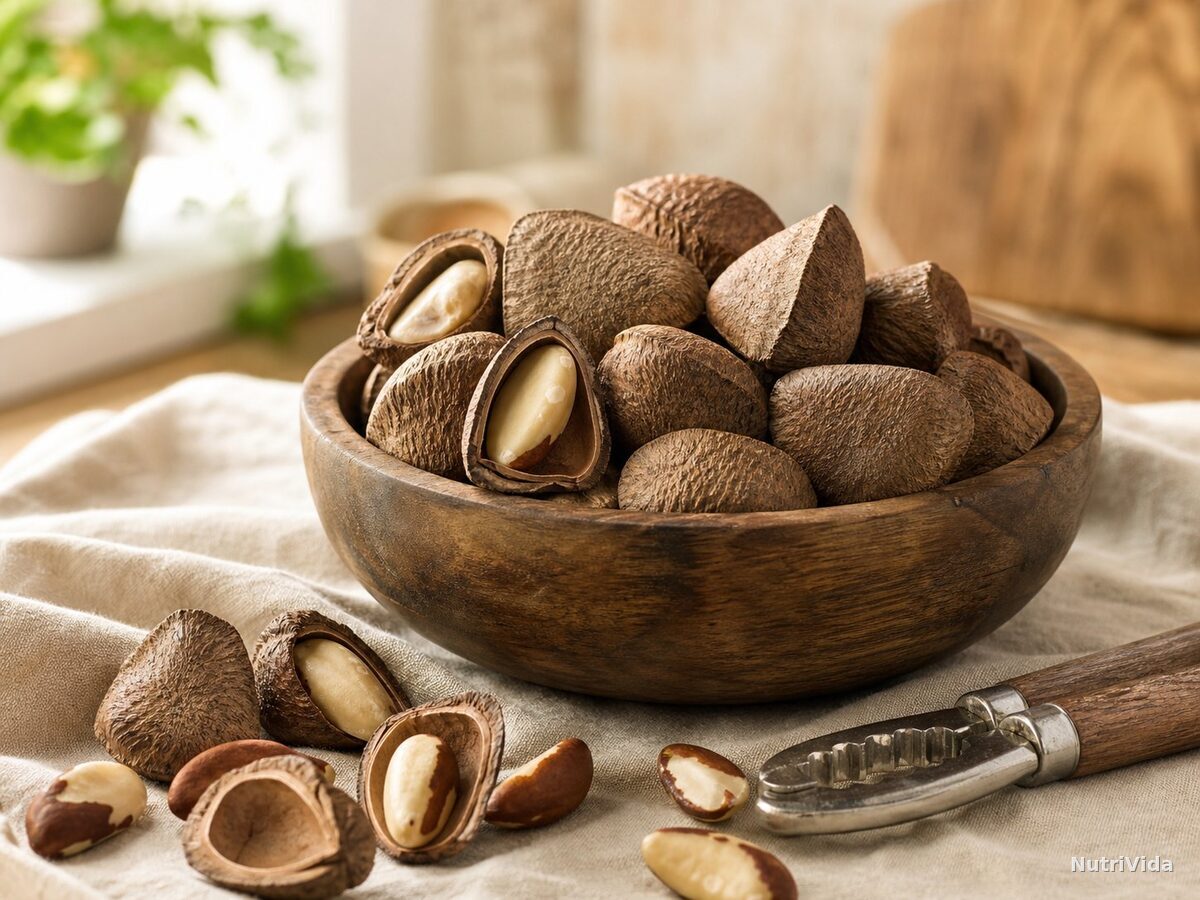 Fibras · CastanhasCastanha do pará com casca: como abrir, guardar e quanto comer por dia
 - 04
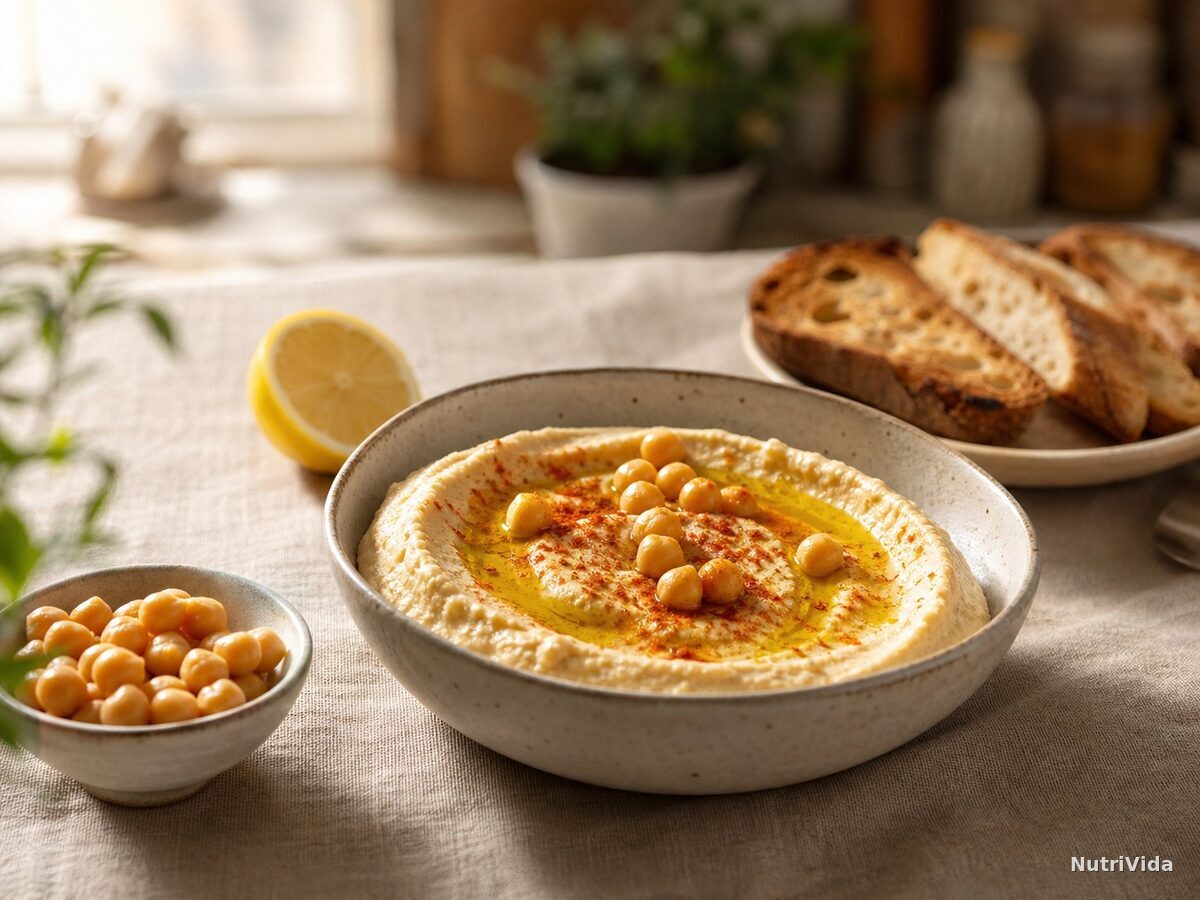 Fibras · Receitas simplesPasta de grão-de-bico cremosa: receita fácil em 10 minutos
Nutrição para a vida real
Comer bem.
Viver melhor.
Seu caminho para uma relação mais leve com a alimentação. Descubra os nutrientes, conheça os alimentos e faça escolhas que combinam com você.
Mais conhecimento. Pequenas escolhas. Todos os dias.
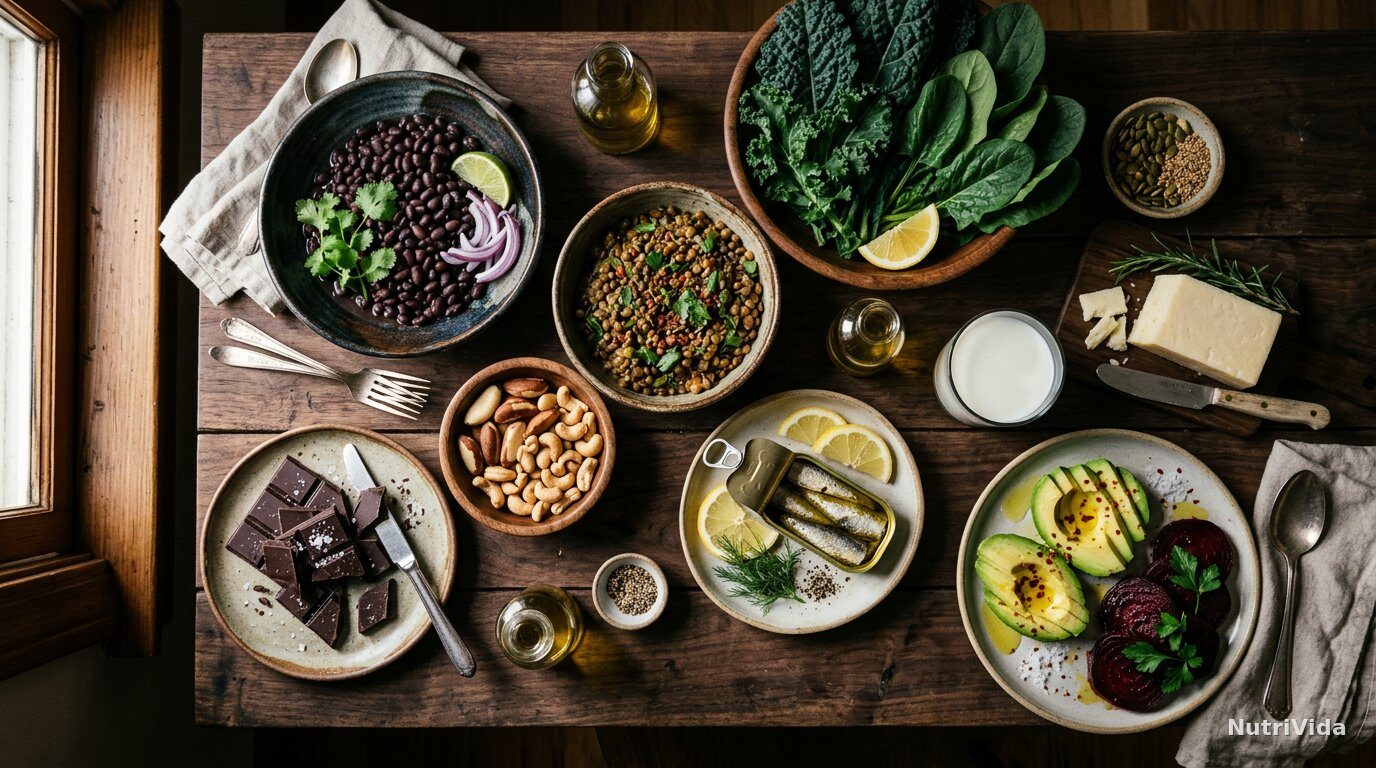
Para testar na cozinha
- 01Fibras · Receitas simplesPasta de grão-de-bico cremosa: receita fácil em 10 minutos
- 02
 Proteínas · Receitas simplesEscondidinho de frango cremoso: receita completa passo a passo
 - 03
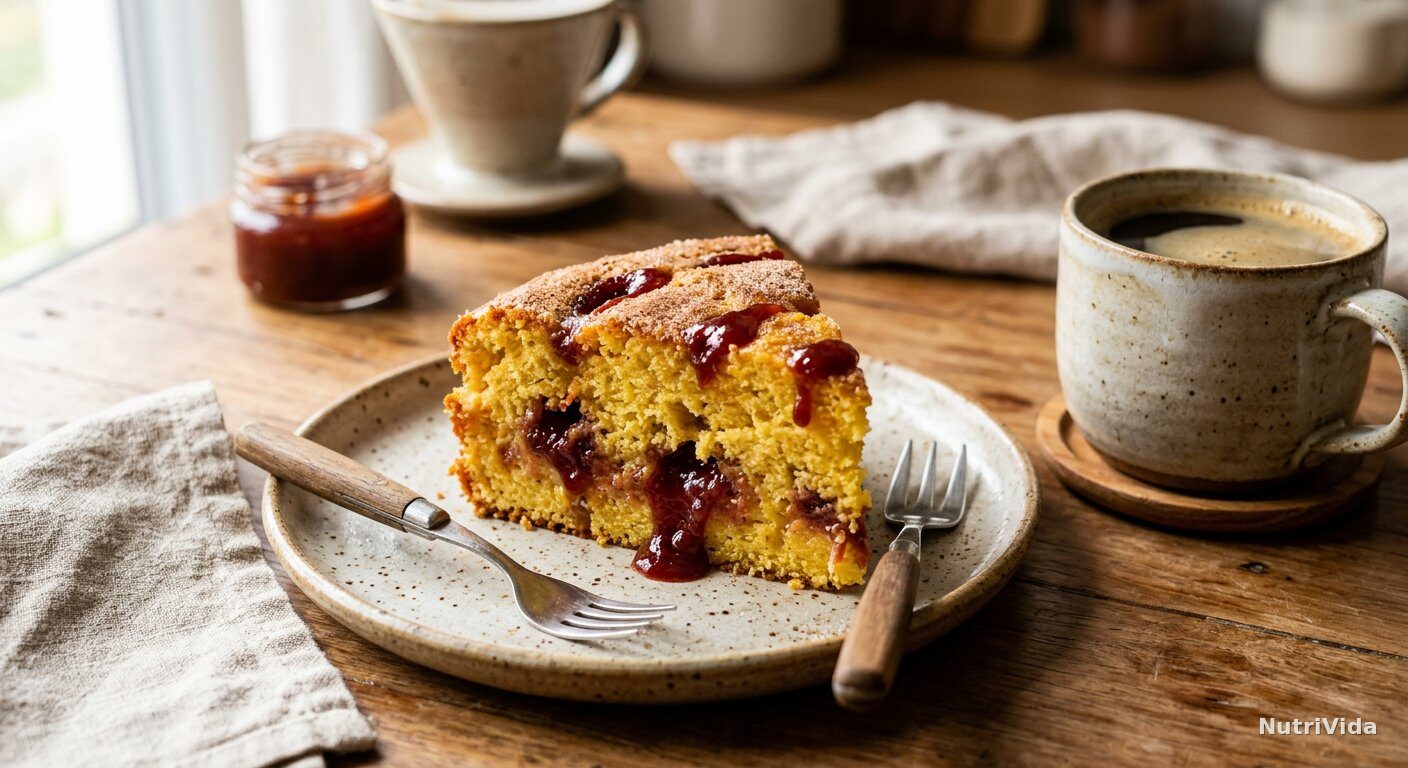 Vitaminas · Receitas & VitaminasBolo de fubá com goiabada: receita fácil para o café da tarde
 - 04
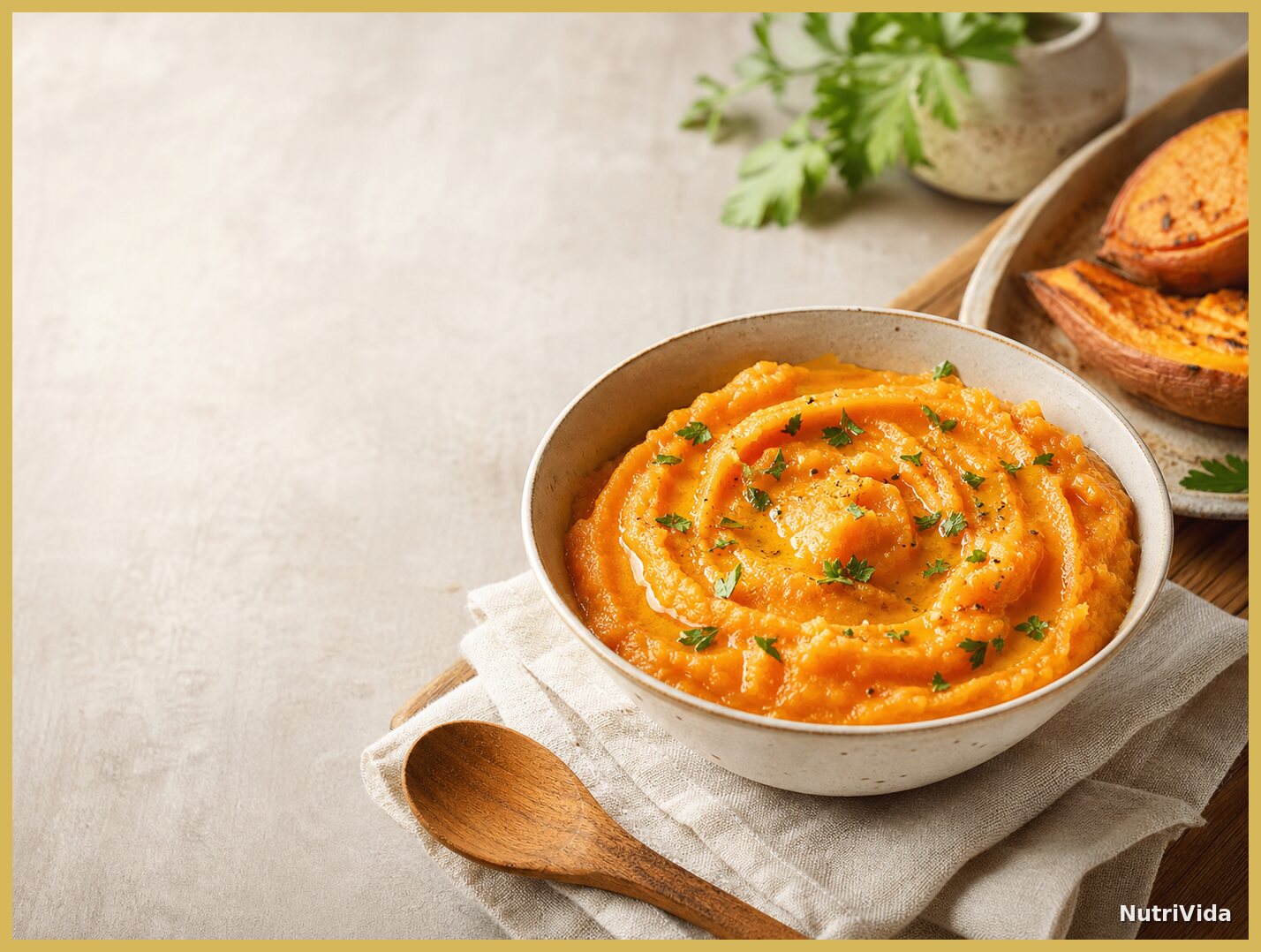 Fibras · Receitas simplesPurê de batata-doce cremoso: receita fácil em 30 minutos
Os destaques desta edição
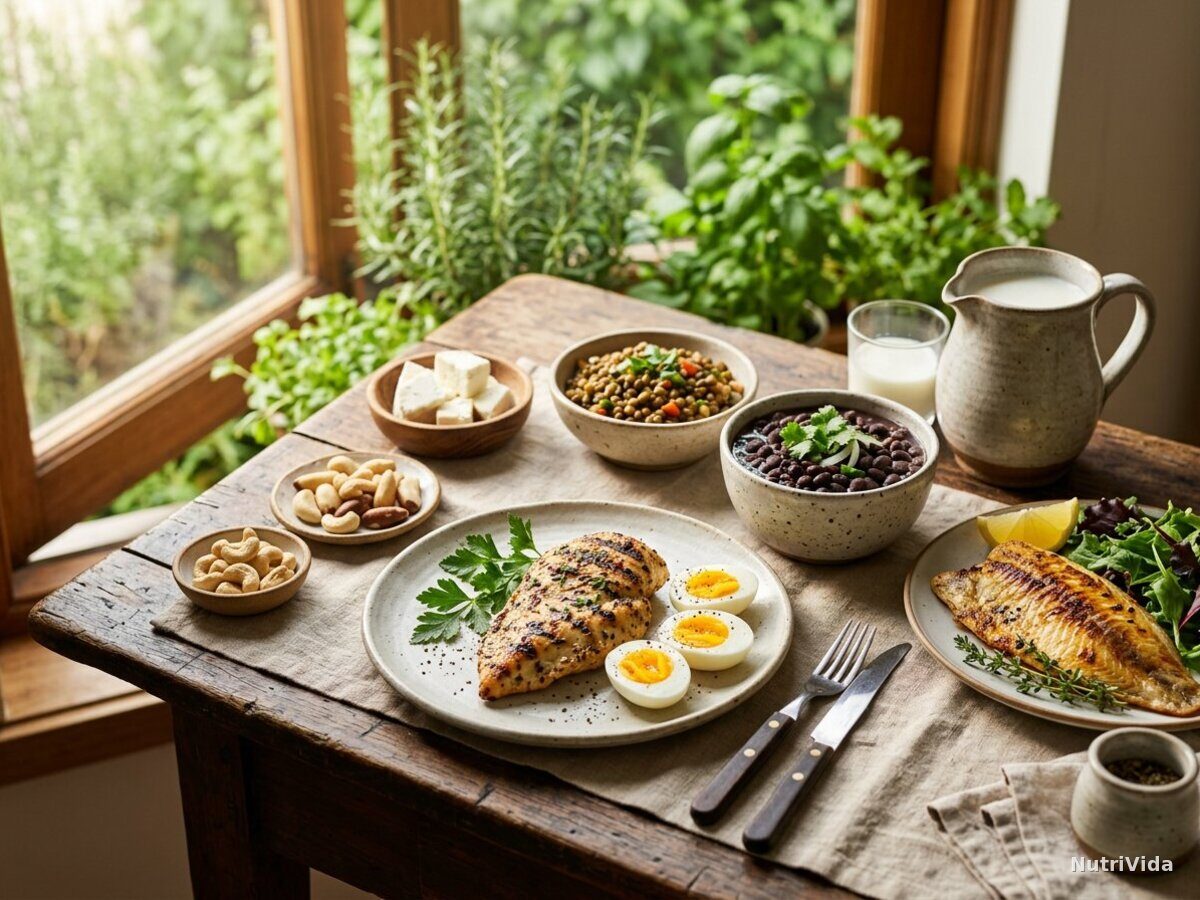
Últimas publicações
Feijão mulatinho: como cozinhar, tempo de pressão e caldo grosso
O feijão mulatinho é primo do carioca, tem casca marrom-clara e caldo naturalmente encorpado. Veja o tempo de molho, os minutos na pressão e como engrossar o caldo.
Ler agoraSeções da revista
Explore por nutriente
Guias completos sobre fibras, proteínas, vitaminas e minerais — o que são, para que servem e onde encontrar.
Ver todos os cadernosVale conhecer
- 01
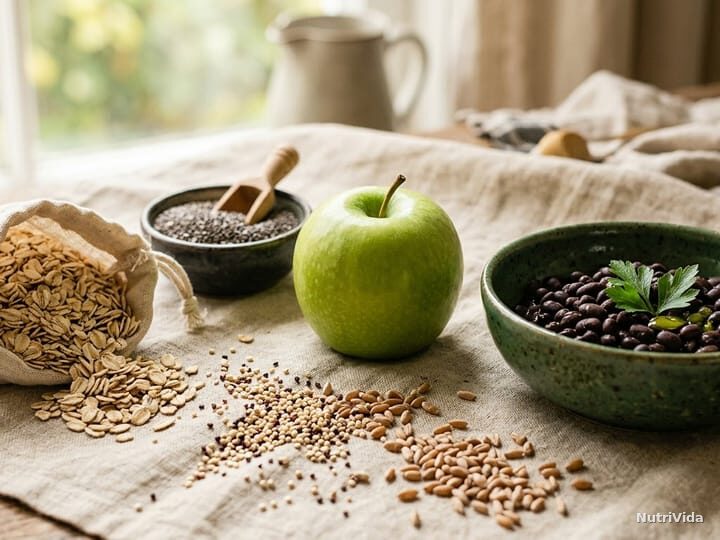
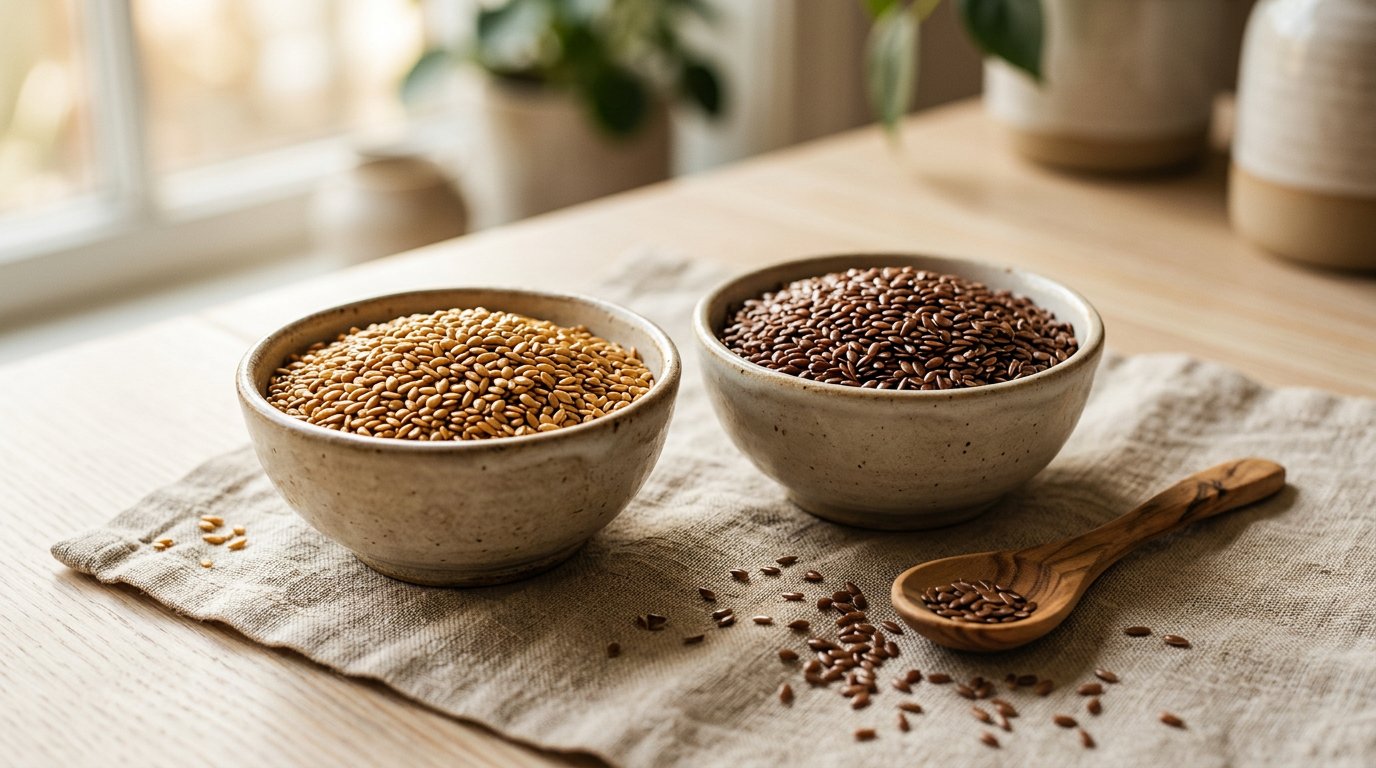 Fibras · SementesBenefícios da linhaça: o que ela entrega e como consumir
 - 02
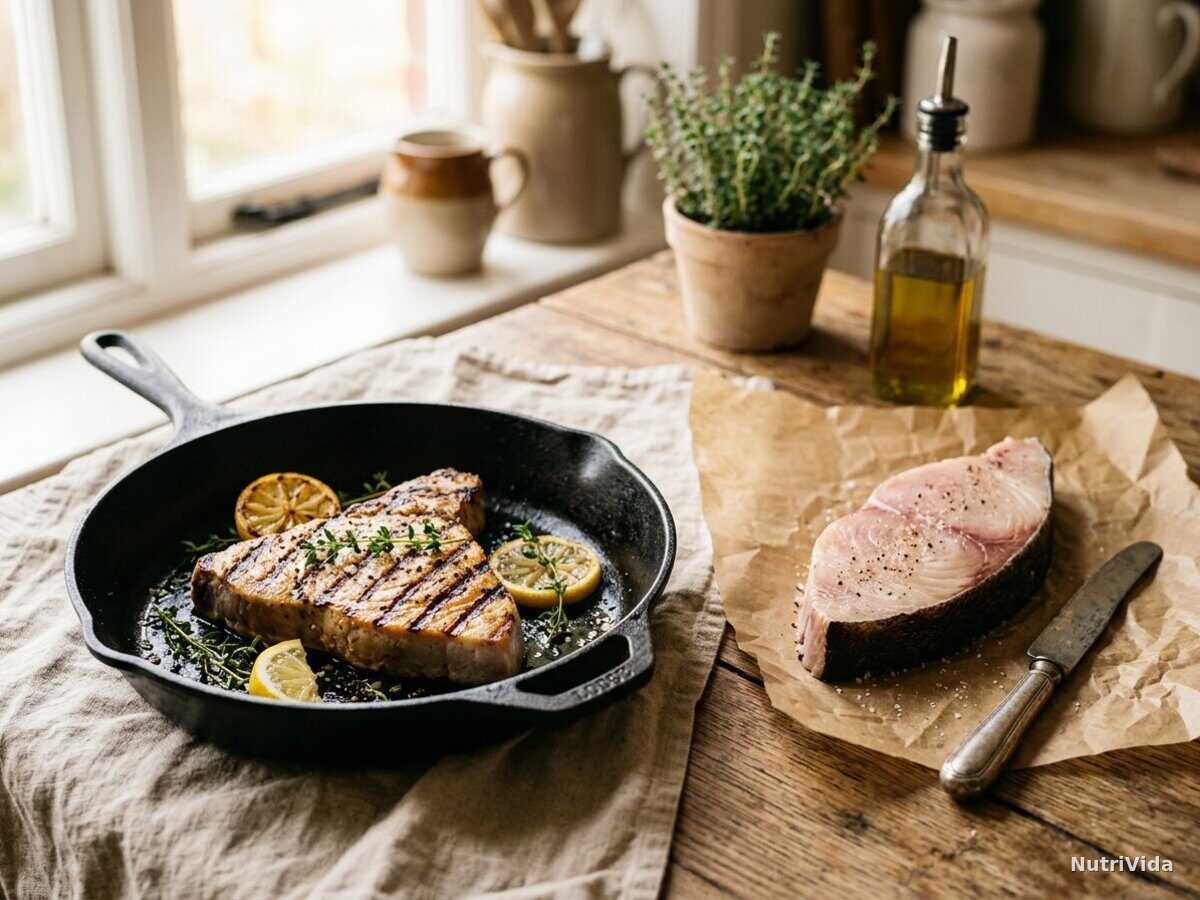 Proteínas · PeixesPeixe meca: como comprar, temperar e grelhar sem erro
 - 03
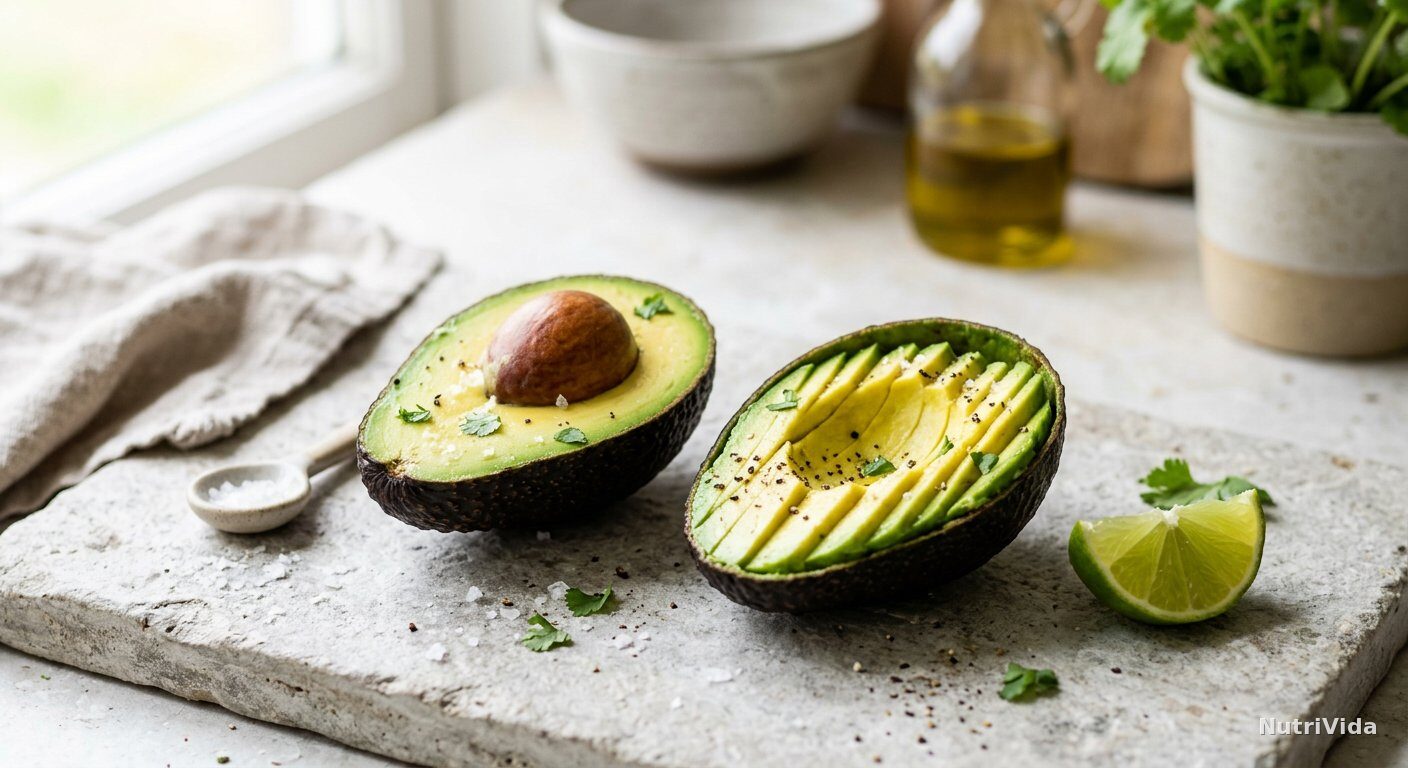 Vitaminas · Vitaminas & GordurasAbacate: nutrientes, escolhas e usos diários
 - 04
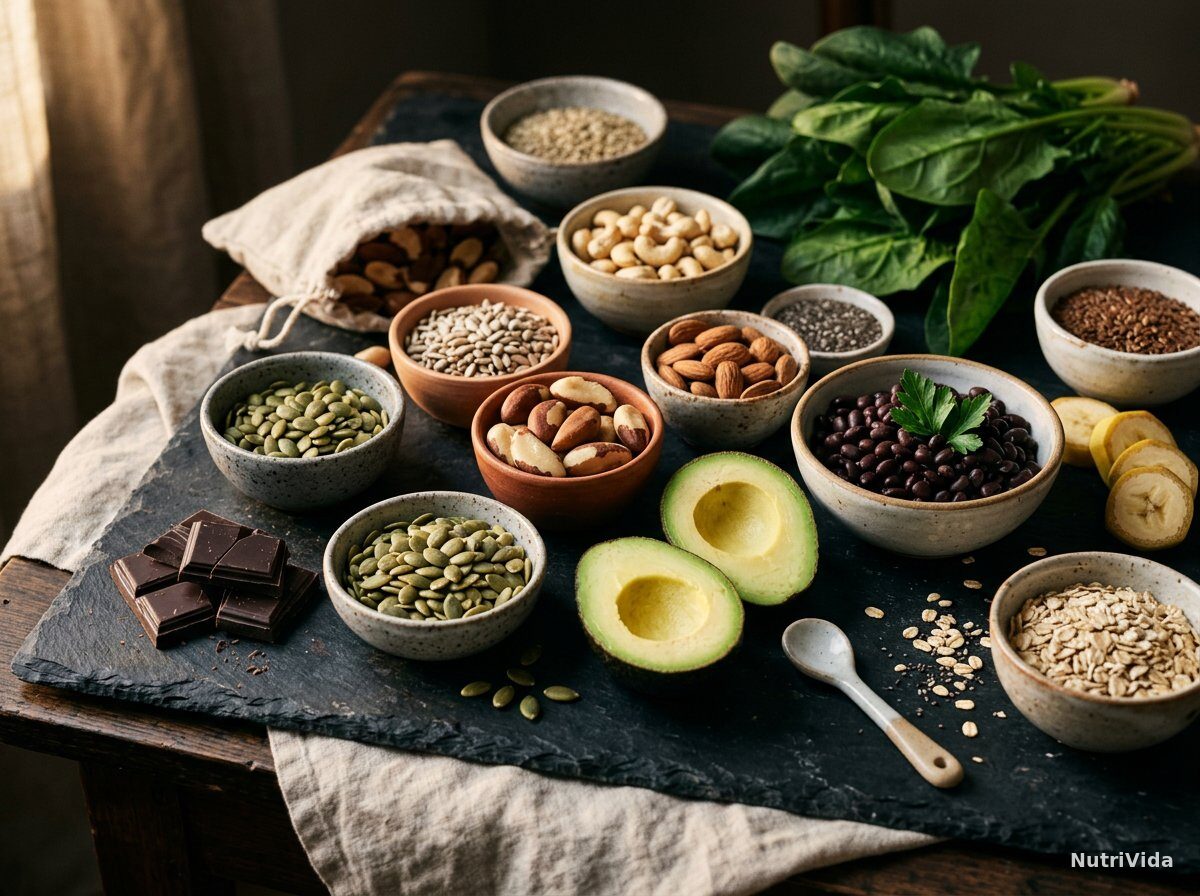 Minerais · Magnésio15 alimentos ricos em magnésio: lista completa e quanto comer por dia
Da natureza à sua mesa
Alimentos em foco
Quatro alimentos em close, um de cada caderno: a fruta do açaí, a castanha de caju, os alimentos que carregam vitamina B12 e as frutas que ajudam a repor ferro — o que cada um oferece e como usar na cozinha.
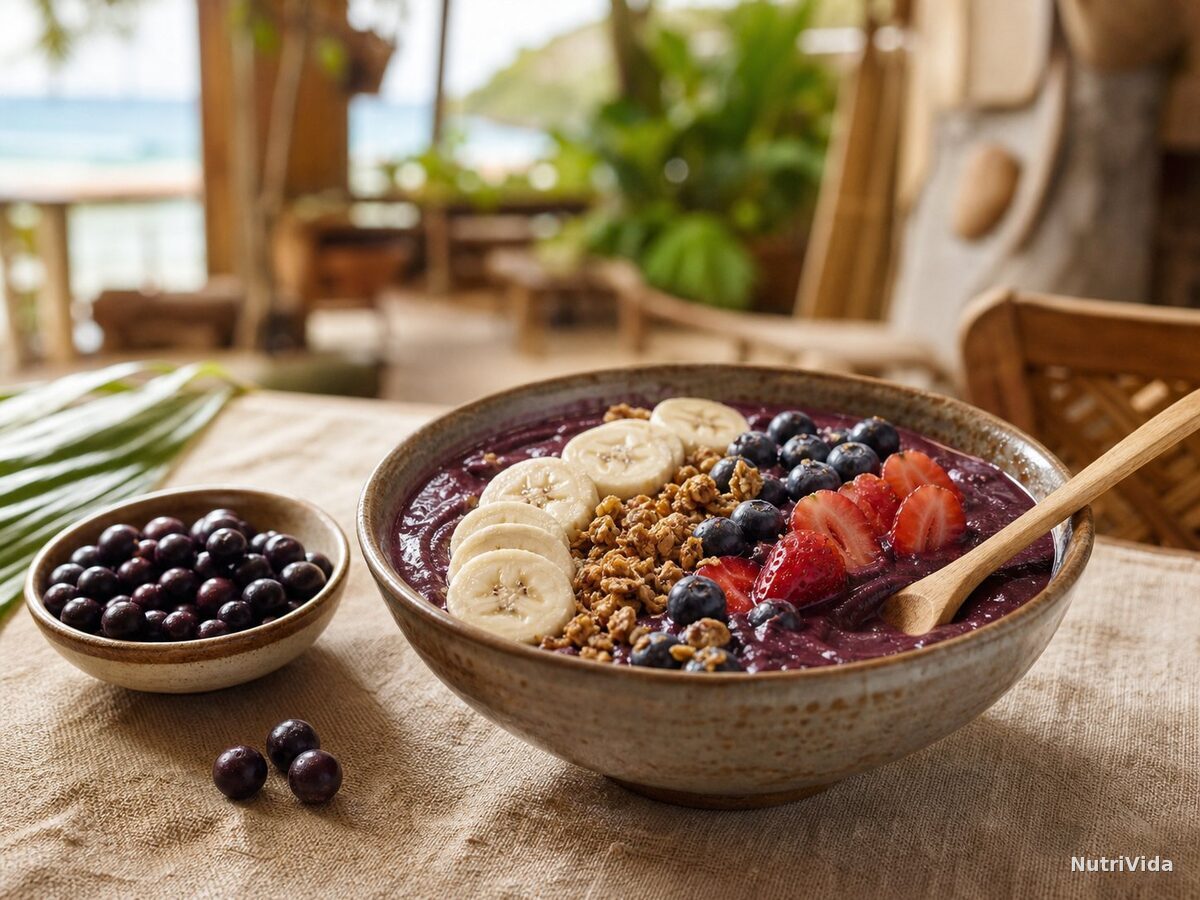 Fibras · Frutas
Açaí perto de mim: como achar um açaí de verdade na sua cidade
Nem toda tigela roxa é açaí puro. Veja o que perguntar na loja, como ler o rótulo da polpa e quais sinais mostram que o produto é de qualidade.
Conhecer o alimento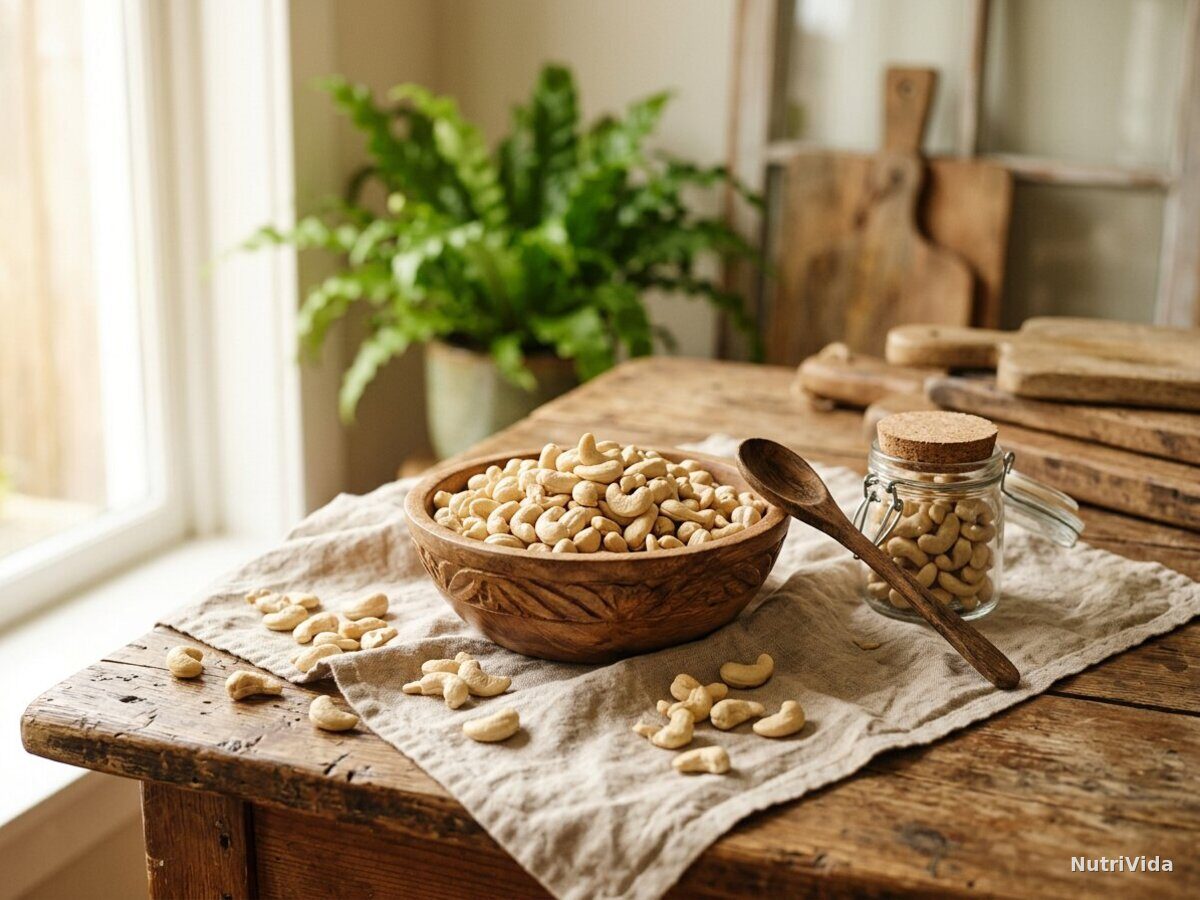 Proteínas · Castanhas
Castanha de caju: porção ideal e como conservar em casa
Conhecer o alimento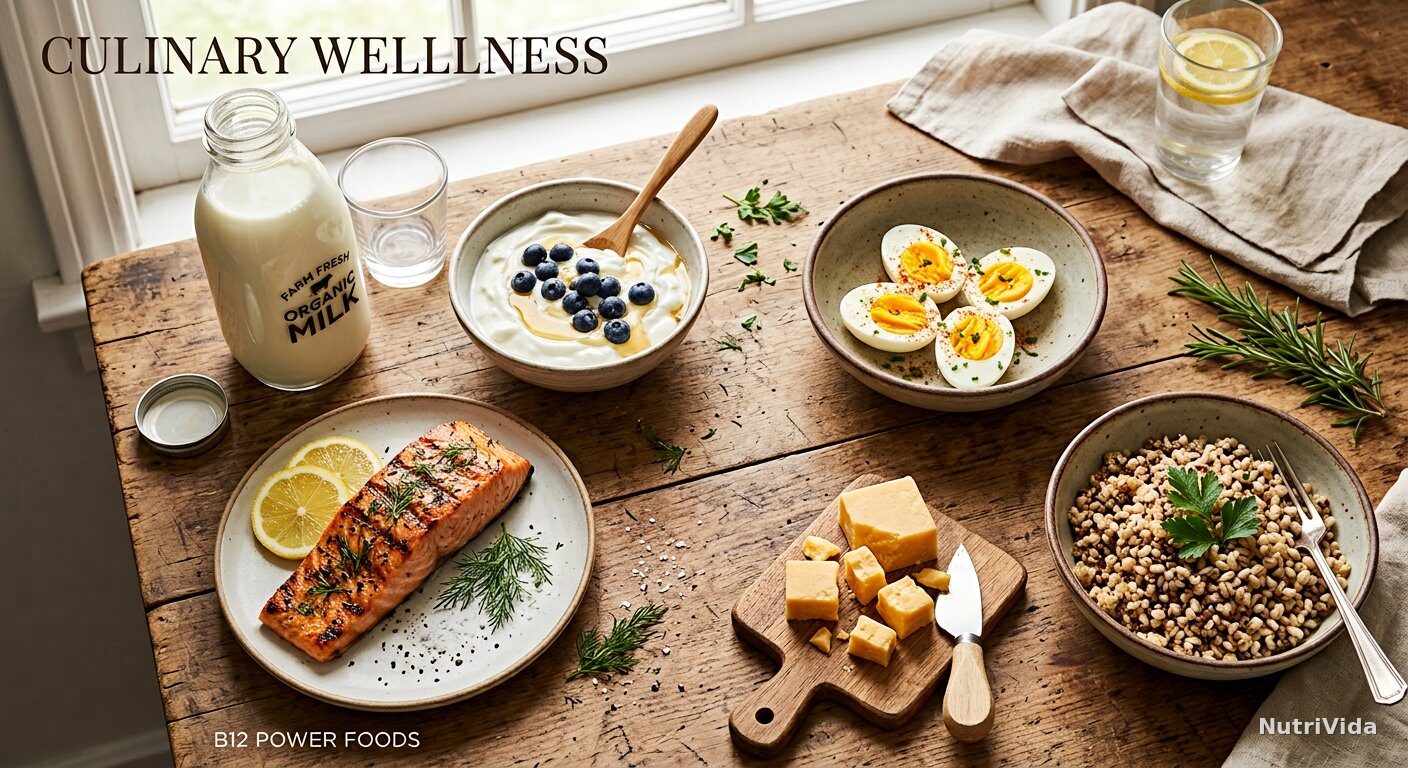 Vitaminas · Fontes de B12
Alimentos com vitamina B12 para o dia a dia: guia prático e simples
Conhecer o alimento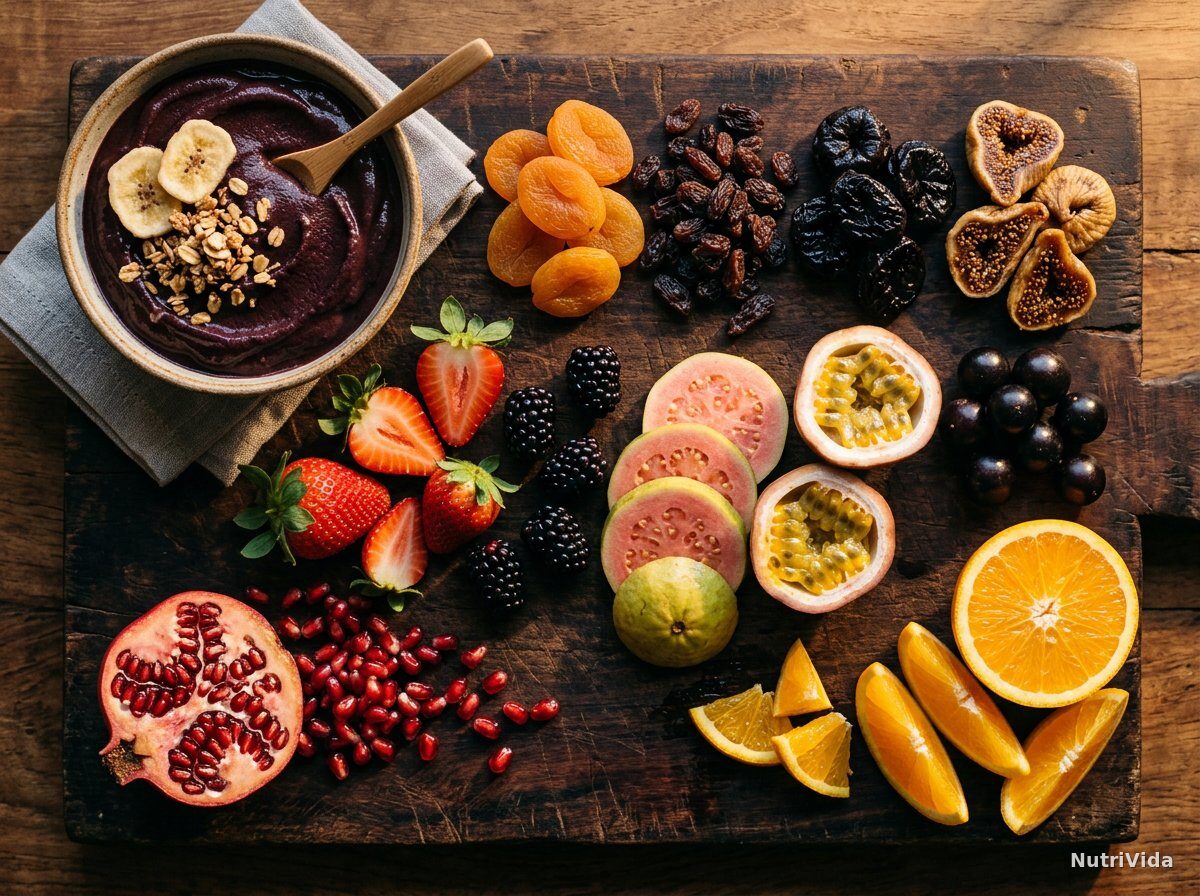 Minerais · Ferro & Frutas
12 frutas ricas em ferro: quais realmente ajudam (e como combinar)
Conhecer o alimento
Vídeos recentes
Ver todos os vídeosBatata com casca Peixe temperado Limonada fresca