How to Reduce Anxiety Naturally: 7 Morning Habits Backed by Science
Not a perfect routine. Not a cure. A calmer sequence for the first twenty minutes—especially when your thoughts wake up before you do.
“The goal is not to wake up perfectly calm.”
Light. Feet down. One next action.
If the full routine feels impossible, this is the three-step version. Reduced is still useful.
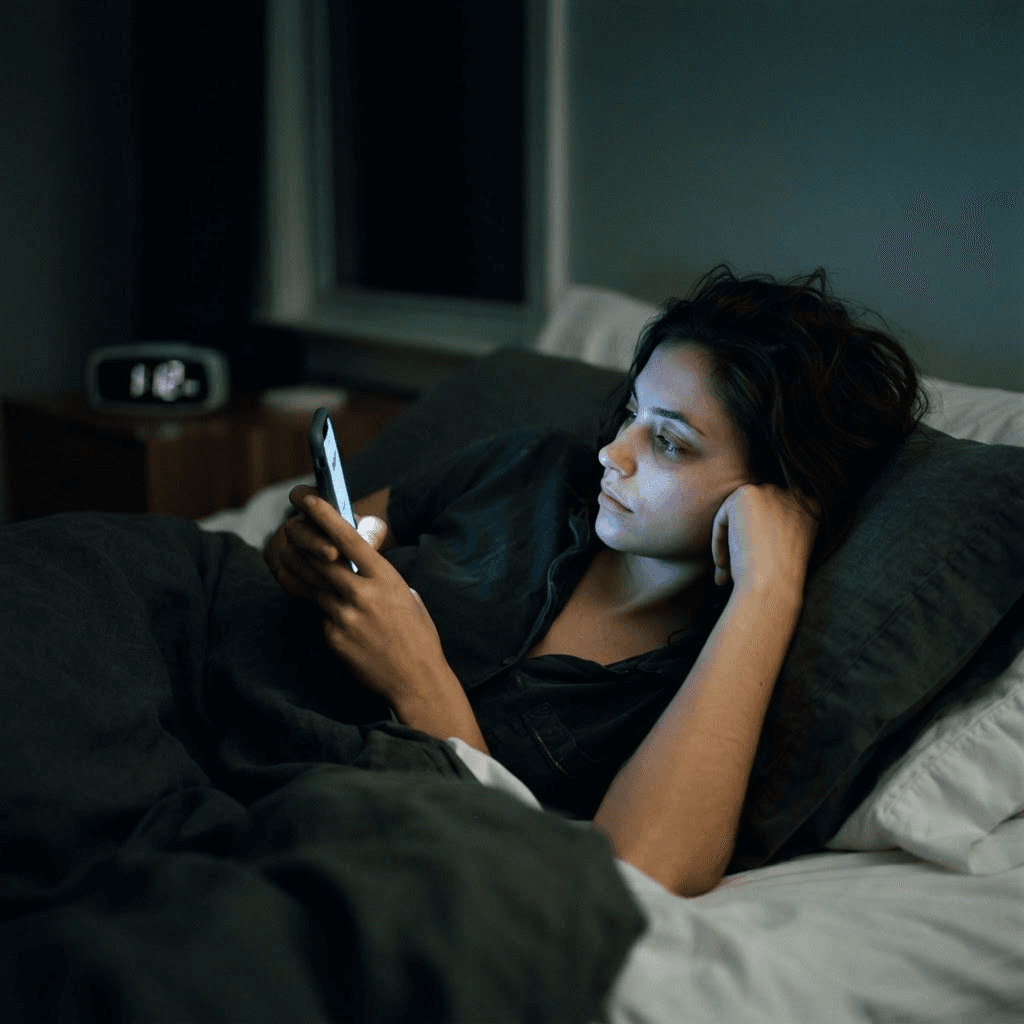
At 6:47 a.m., nothing has happened yet—and your body is acting as if you have already missed a deadline. Your chest feels tight. The day appears all at once: the meeting, the school run, the unread message, the vague fear that you have forgotten something important. Reaching for your phone gives the feeling somewhere to go, but ten minutes later you are carrying the news, three other people’s opinions and an inbox into a nervous system that was already on alert.
What can you change before breakfast—and what should not be left to a routine? Start with the first question: less stimulation, a steadier physical cue and one clearly defined next action can make an anxious morning easier to enter. Keep the second answer equally clear: anxiety disorders are real health conditions, and effective care may include therapy, medication or both. These habits are support, not a natural “cure” or a test of how well you manage distress.
Why anxiety can feel louder before breakfast
The body does not wake by gently turning on a lamp. In the hours around waking, the circadian system raises alertness and cortisol so you can get moving. That response is normal. When sleep has been short, life already feels uncertain, or you are highly sensitive to bodily sensations, the same increase in heart rate and alertness can be interpreted as danger. An empty calendar may still feel like an emergency.
Before breakfast, the day can already resemble a browser with twelve tabs open: what to wear, what to answer, whether traffic will be bad, what might have been forgotten. None is necessarily urgent, but anxious attention keeps every unfinished item active. Notifications and strong coffee add more input while the body is still making the transition from sleep. The practical opportunity is not to solve all twelve tabs; it is to close enough of them to see the next one.
The goal is not to wake up perfectly calm. It is to stop adding fuel before your nervous system has found the floor.
| When you have | Do this first | Then add |
|---|---|---|
| 3 minutes | Open the curtains and step outside or stand by the brightest window | Six slow, comfortable breaths |
| 10 minutes | Outdoor light plus a brisk walk around the block | Write the next single task on paper |
| 20 minutes | Light, breathing and ten minutes of movement | Breakfast or water, then check your planned messages |
The seven-habit morning map
1. Let daylight arrive before the feed
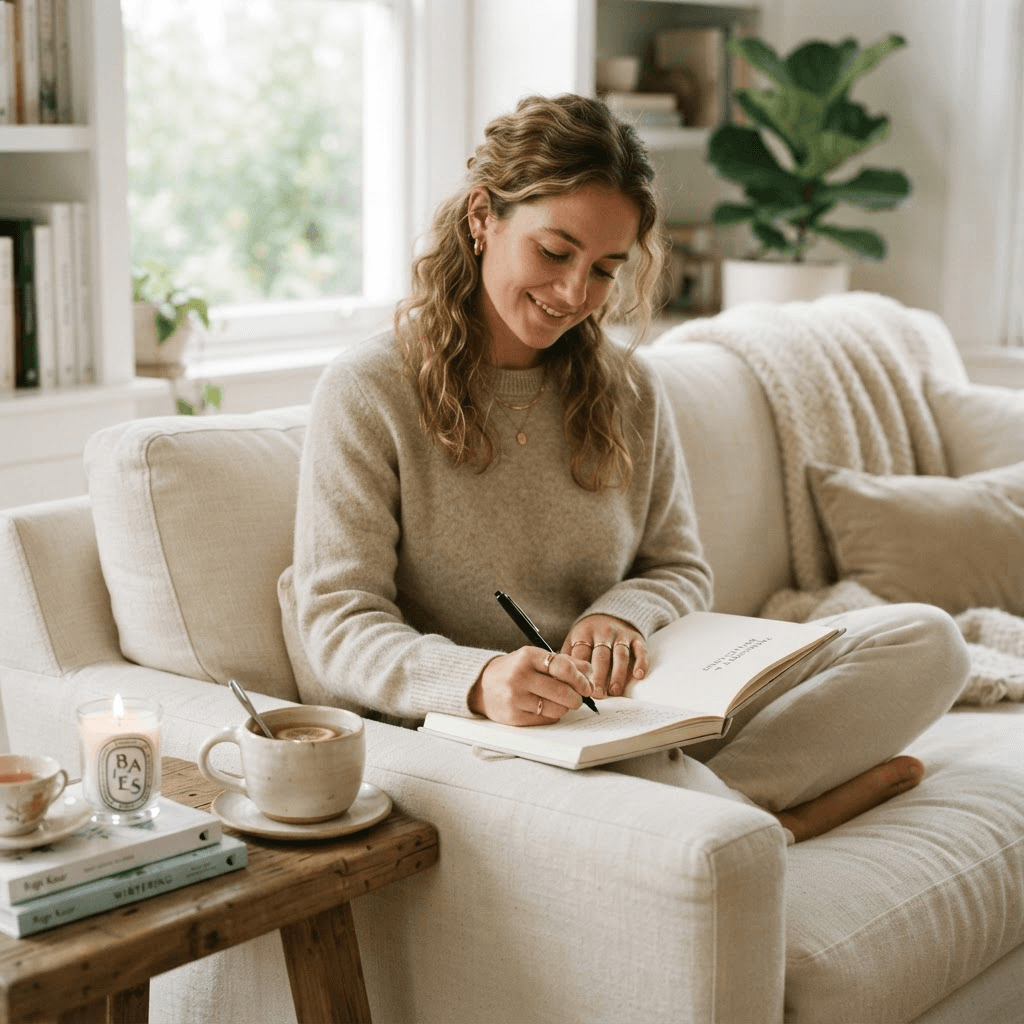
Within roughly an hour of waking, go outside for five to ten minutes if conditions are safe. Walk to the end of the street, drink water on the step or simply look at the sky. Outdoor light is usually much brighter than indoor lighting, even on a cloudy day. Light reaching the eyes helps anchor the sleep–wake rhythm, which supports alertness now and sleep pressure later. Better-regulated sleep is not an instant anxiety treatment, but unstable sleep and anxiety often reinforce each other.
Do not stare at the sun. Ordinary outdoor exposure is enough. If you work nights, have bipolar disorder, use medicines that increase light sensitivity or are considering a therapeutic light box, ask a clinician for individual guidance. A light box is a treatment device, not just a brighter lamp.
Quick win
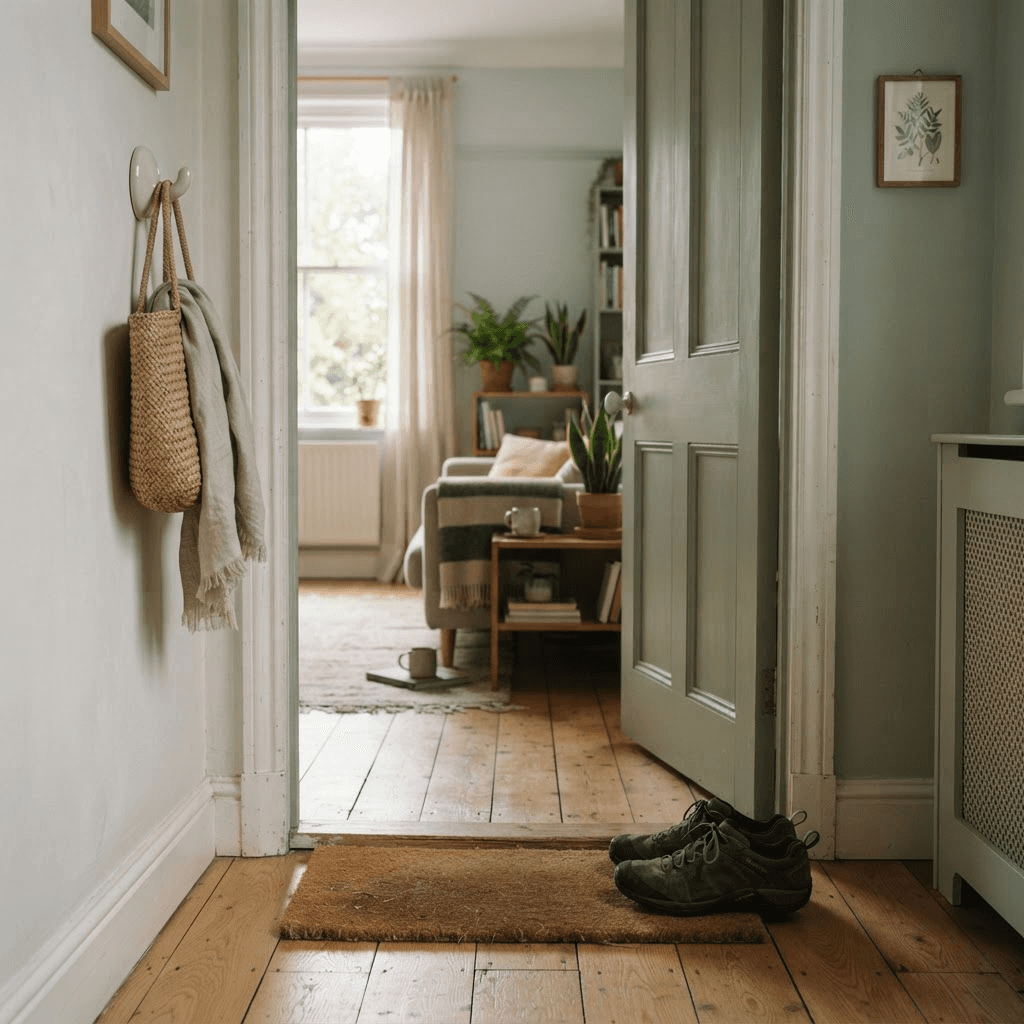
Charge your phone outside the bedroom and leave shoes or a warm layer near the door. The best morning habit is often an evening decision that removes one point of friction.
2. Orient to the room before solving the day
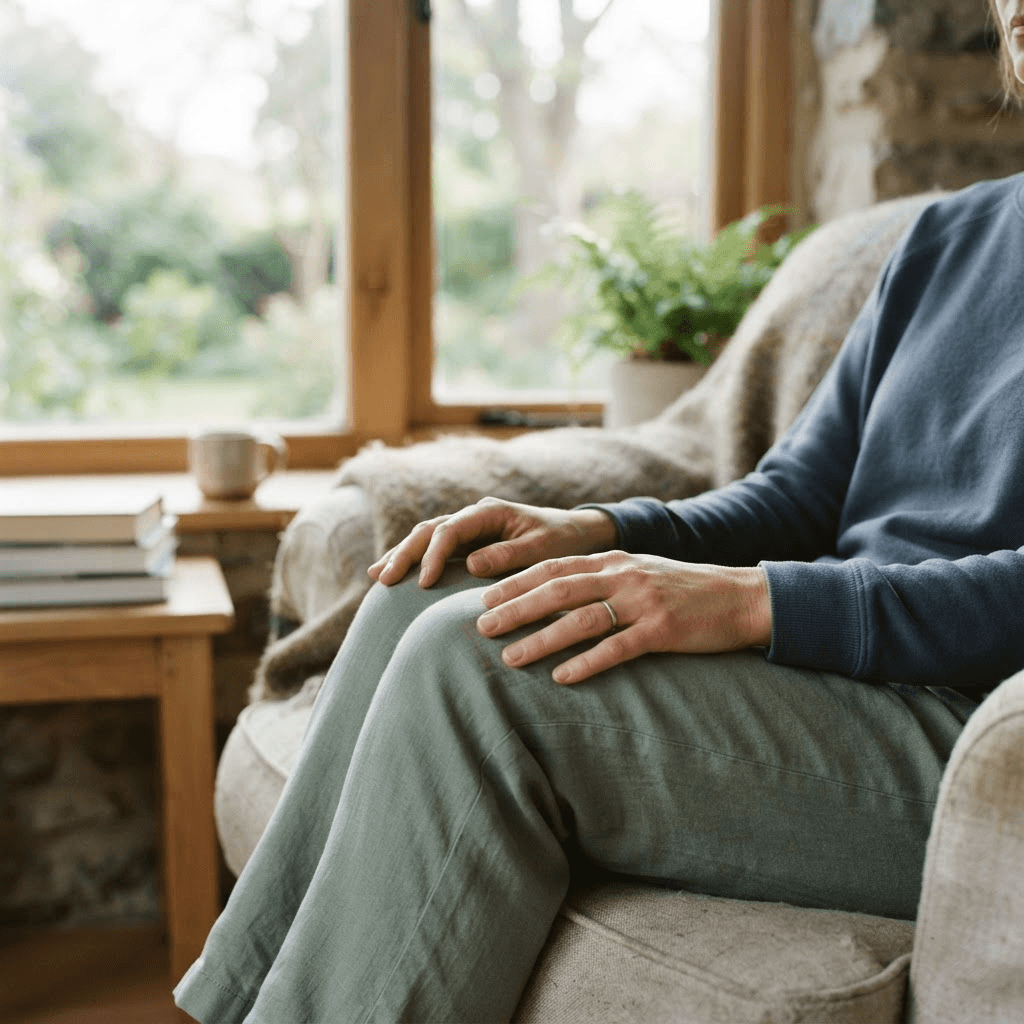
When the mind races ahead, bring attention to information that is true right now. Place both feet on the floor. Name the date, where you are and the first obligation that genuinely needs attention. Then identify three neutral details: the temperature of the air, a sound beyond the room, the colour of the wall. This is grounding—not positive thinking. You are asking attention to update its location from an imagined future to the present environment.
Try this sentence: “It is Wednesday morning. I am in my kitchen. I feel anxious, and the next thing is to pack lunch.” Notice the wording. Feeling anxious is included; it is not treated as a prophecy. People often lose twenty minutes arguing with the feeling. Naming it plainly can free enough attention for the next action.
3. Breathe slower, not deeper
Anxious breathing is often quick and high in the chest. The common instruction to “take a huge deep breath” can make some people light-headed because they breathe out too much carbon dioxide. Instead, make the breath quiet and unforced. Inhale through the nose for about four seconds, then exhale gently for about six. Repeat for one to five minutes while keeping the shoulders soft. The longer exhale is a pacing tool, not a magic ratio.
- If counting makes you tense, simply let each exhale finish a little later than the inhale.
- If you become dizzy, tingly or air-hungry, return to normal breathing and stop the exercise.
- Practise while moderately calm. A skill rehearsed on ordinary mornings is easier to find during a difficult one.
Research on breathwork is promising, and slow breathing can reduce physiological arousal for many people. It is best viewed as a regulation skill rather than a cure. If focusing on breath intensifies panic or trauma symptoms, use external grounding instead: listen for five sounds or walk while naming objects you pass.
4. Move for ten minutes without turning it into a workout
Physical activity has one of the stronger evidence bases among lifestyle supports for anxiety. The useful dose this morning does not need gym clothes. Walk briskly, ride an easy stationary bike, climb stairs at a conversational pace or complete a gentle mobility flow. Ten minutes can interrupt rumination, use some of the energy created by the waking alertness response and provide a concrete task for attention.
Keep the effort moderate if intense exercise sensations—pounding heart, heavy breathing, heat—resemble panic for you. Start with two minutes and build gradually. A simple route you know well is better than a complicated routine that requires choices. On days when your body wants more structure, the site’s five-minute morning stretch routine offers a low-pressure place to begin.
5. Run a caffeine experiment, not a caffeine trial
Caffeine blocks adenosine, increases alertness and can also produce sensations that overlap with anxiety: tremor, restlessness, a faster heartbeat and stomach discomfort. Sensitivity varies widely. Some people can drink coffee with no problem; others notice that a large cup on an empty stomach makes an already-alert morning feel jagged.
For seven days, record the time and amount of caffeine and rate anxiety two hours later from 0 to 10. If the pattern looks clear, try half the dose, switch one drink to decaf or wait until after food. Reduce gradually if you use caffeine daily; stopping suddenly can cause headache, fatigue and irritability. “Delay coffee by exactly 90 minutes” is popular online, but there is no universal clock rule. Your symptom pattern is more useful than a rigid timer.
6. Eat according to your body—not a wellness slogan
Breakfast is not compulsory, and no specific food treats an anxiety disorder. But hunger, dehydration and large blood-sugar swings can feel unpleasantly similar to anxiety in some people. If you wake hungry or become shaky by mid-morning, choose something simple with protein, fibre and carbohydrate: yogurt with oats and fruit, eggs with whole-grain toast, or nut butter and banana on toast. The point is steadier energy, not a flawless “anti-anxiety breakfast.”
If eating early makes you nauseated, start with water and pack something you can tolerate later. Persistent nausea, major appetite change, unexplained weight loss or symptoms related to diabetes need medical advice. Avoid building a long list of forbidden foods from social-media claims; restriction can create more vigilance around eating, not less.
7. Close the loops on paper
An anxious mind tries to hold the entire day in working memory. Give it a smaller job. On paper—not in an app with six notifications—make three lines: “must happen,” “can wait,” and “first five-minute action.” Put one to three items under the first heading. Everything else goes under can wait. Then begin the five-minute action before revising the list.
Suppose the day contains a presentation, groceries, a difficult email and laundry. “Prepare for presentation” is too large. The first action might be “open the slides and check the final three.” That instruction gives the body somewhere to place its energy. Planning becomes unhelpful when it turns into repeated checking, so stop after five minutes and move.
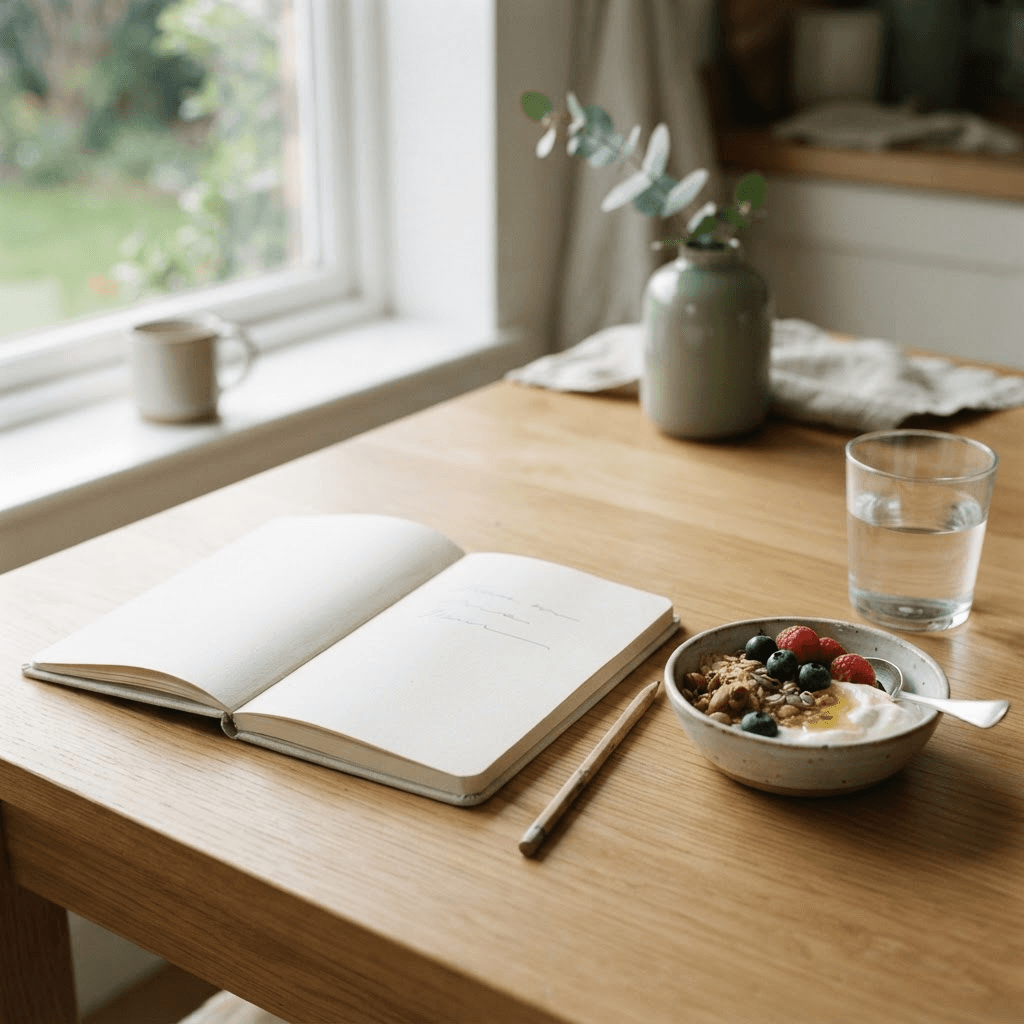
A 20-minute routine for a real weekday
| Minute | Action | What it changes |
|---|---|---|
| 0–2 | Feet down, name the date and place, drink water if thirsty | Interrupts the rush into future problems |
| 2–7 | Step outdoors without opening social media or email | Provides bright light and reduces immediate input |
| 7–12 | Walk or move at an easy-to-moderate pace | Channels alertness into a predictable physical task |
| 12–15 | Use quiet 4-in, 6-out breathing or external grounding | Practises downshifting without forcing calm |
| 15–18 | Write must happen, can wait, first five-minute action | Moves open loops out of working memory |
| 18–20 | Prepare food or caffeine based on your seven-day experiment | Avoids an automatic choice that may worsen symptoms |
Make the routine easier than the anxiety
Do not install seven new habits on Monday. Choose one environmental habit and one body-based habit: phone outside the room plus a five-minute walk, for example. Attach them to events that already happen—after the alarm, open the curtains; after brushing teeth, step outside. Track completion with a single mark on paper. Do not track whether you felt calm, because demanding an immediate emotional result can turn the routine into another anxiety test.
- Prepare one cue the night before: shoes by the door, a glass beside the sink or paper on the table.
- Keep the wake time reasonably consistent, including weekends, while protecting enough total sleep.
- Review after fourteen days: Which step helped function? Which created pressure? Keep the first and remove the second.
- Measure success by what you could do while anxious—not by whether every anxious sensation disappeared.
When a morning routine is not enough
Morning habits are supportive care. Seek professional help when anxiety persists, causes panic attacks, disrupts sleep, drives avoidance, affects work or relationships, or leads you to use alcohol or other substances to cope. A clinician can also check for physical contributors such as thyroid problems, medication effects, sleep disorders or heart rhythm issues. Evidence-based treatments—including cognitive behavioural therapy and, when appropriate, medication—can be life-changing.
Bring useful observations to the appointment: when symptoms begin, sleep timing, caffeine intake, medicines and supplements, menstrual or hormonal patterns if relevant, and what the anxiety stops you doing. That record is not proof you caused the problem. It is information that helps care become more specific.
Evidence and further reading
These sources support the health guidance above. Lifestyle strategies can help manage symptoms, but they are not substitutes for personalised diagnosis or treatment.
- Caring for Your Mental HealthNational Institute of Mental Health
- Anxiety DisordersNational Institute of Mental Health
- Relaxation Techniques: What You Need To KnowNational Center for Complementary and Integrative Health
- Physical activity, exercise, and mental disorders: it is time to move onTrends in Psychiatry and Psychotherapy
- Effects of voluntary slow breathing on heart rate and heart rate variabilityFrontiers in Human Neuroscience
- Caffeine and the central nervous system: mechanisms of actionBrain Research Reviews