Vitalis
Sleep desk

Your night has
a shape.

Sleep does not fail in general. It fails at a specific point in a specific night — before you drop off, in the small hours, or the morning after. Find your point on the trace, then read the guide that covers it.

A typical adult night22:4506:30
  • Awake
  • REM
  • Light
  • Deep
22:4500:0002:0004:0006:30
Asleep
7h 06m
of 7h 45m in bed
Efficiency
92%
healthy is 85%+
Arousals
2
most are never recalled
REM / Deep
24/22%
of time asleep
03:08 — the arousal nearly everyone has and most people sleep through. Why you wake up here
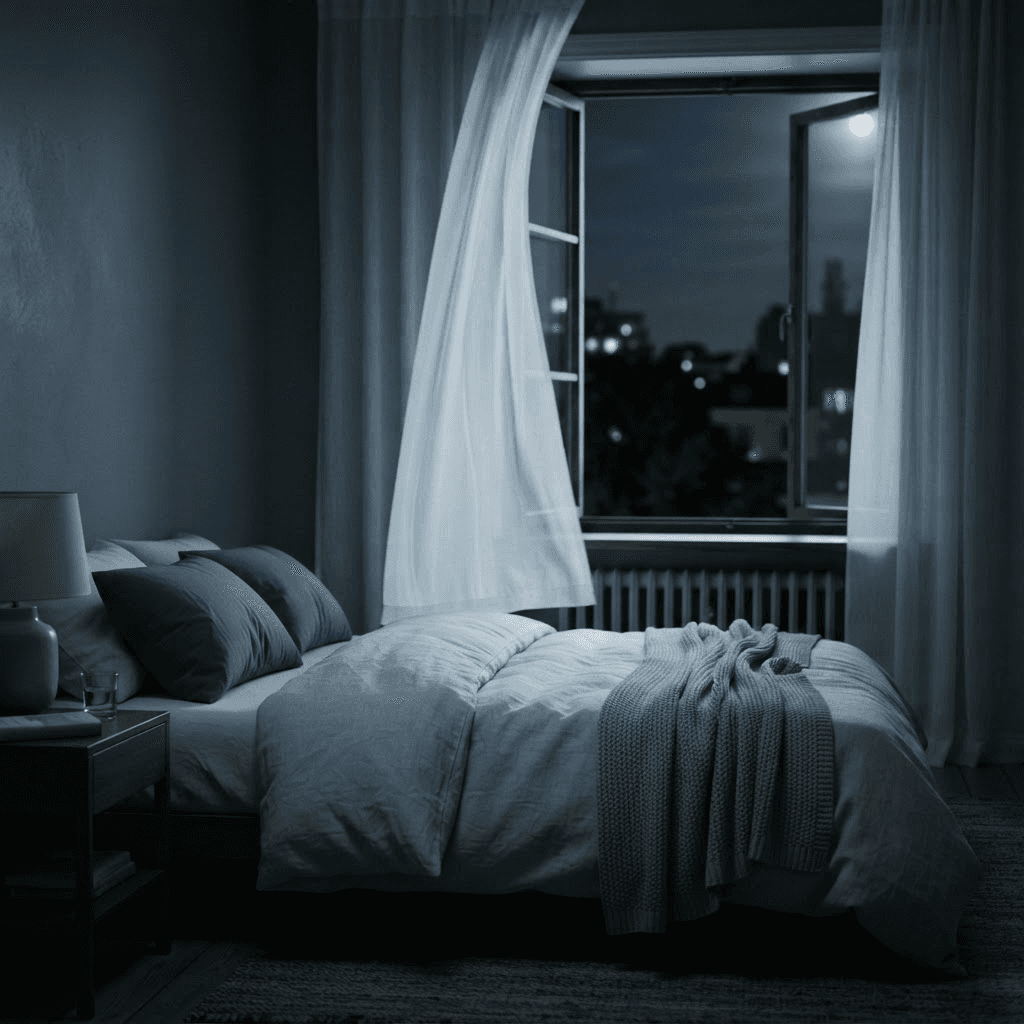
Woman lying awake in bed at 3am in a dark bedroom with pale moonlight across the duvet, unable to fall back asleep
CON · Staying asleep13 min

Why You Wake Up at 3 A.M. — and How to Fall Back Asleep

You did not wake up because something is wrong with you. You woke up because every human wakes several times a night — the question is why yours turns into ninety minutes of ceiling-staring. Here is how to find your cause and what to do before 4 a.m.

  • Brief waking between sleep cycles is normal and universal — staying awake for 30+ minutes is the actual problem.
  • Six causes explain most cases: hyperarousal, alcohol, a too-early bedtime, temperature, bladder, and untreated apnoea.
  • After roughly 20 minutes awake, leave the bed. Lying there teaches your brain the bed is a place for thinking.
Vitality Editorial TeamPublication byline
Read the guide


All sleep guides

ONS

Getting to sleep

4 guides

How this desk works

Most sleep advice is the same hygiene checklist: dark room, no screens, no coffee after two. All true, and almost never the reason someone is staring at the ceiling. We start from the cause instead, then name the one change worth making first.

Every guide also marks the point where self-help stops. Apnoea, chronic insomnia and sleep tangled up with mood need a clinician and a real assessment — not a better bedtime routine. The chart above is a representative night, not a diagnosis.