Vitalis
Nutrition desk

Nutrition,
read like
a label.

Every guide on this desk starts in the same three places: what the evidence actually says, what that means standing in the aisle, and what ends up on the plate tonight. No cleanses, no superfoods, and no foods you are meant to be frightened of.

Below, the desk is filed by the question you came in with rather than by food group — because nobody wakes up wanting to read about magnesium. They wake up tired.

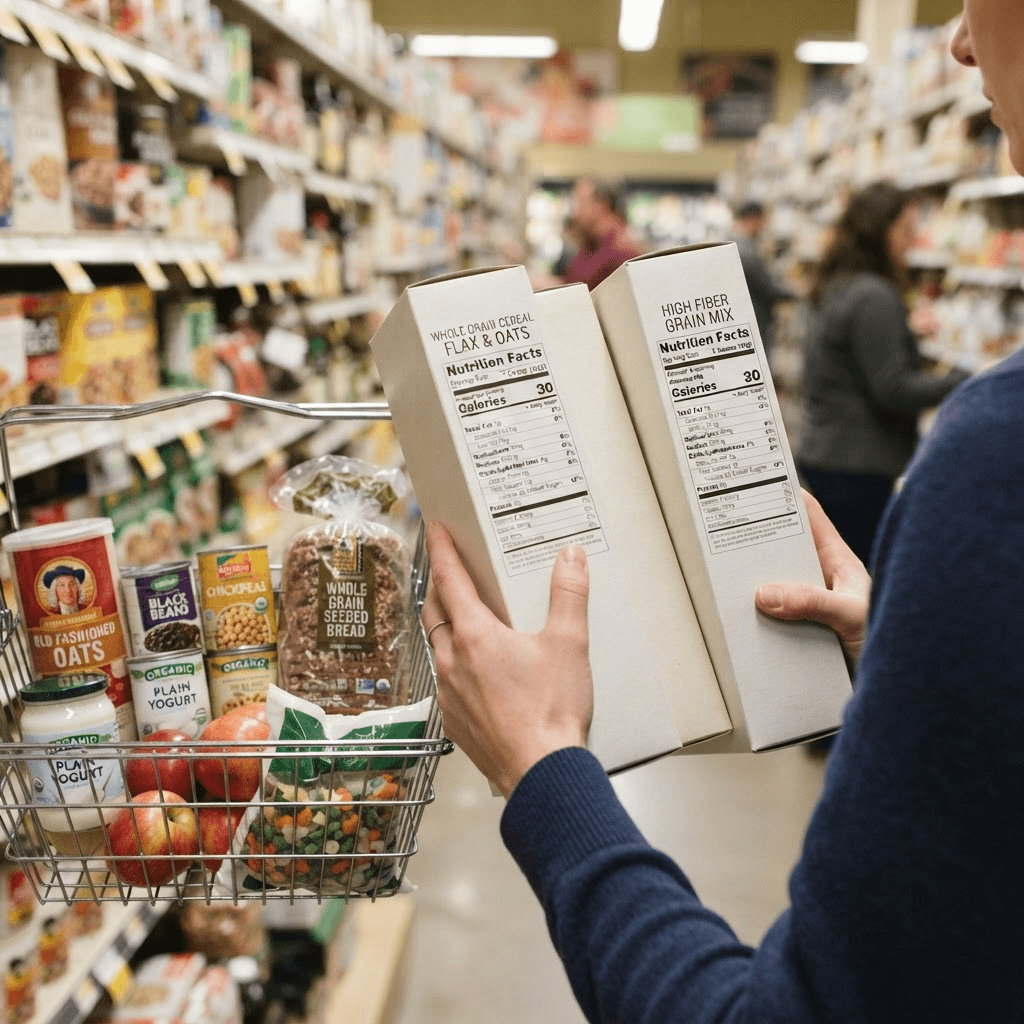
Shopper comparing Nutrition Facts panels on two cereal boxes beside a basket of everyday groceries
Start here12 min read

How to Read Nutrition Labels: A Practical Grocery Shopping Guide

Ignore the promises on the front. This aisle-by-aisle guide shows how to compare serving sizes, added sugar, sodium, fiber and ingredients in under a minute.

Read this one first. The back of the pack is where most nutrition arguments quietly end, and once you can read it properly the rest of this desk is easier to use.

  • Start with serving size because every number beneath it depends on that amount.
  • Compare similar foods using the same serving amount, not package claims such as “natural” or “multigrain.”
  • Use percent Daily Value as a quick reference: 5% is generally low and 20% is generally high.
Vitalis Nutrition DeskPublication byline
Read the label guide
Am I short on something?

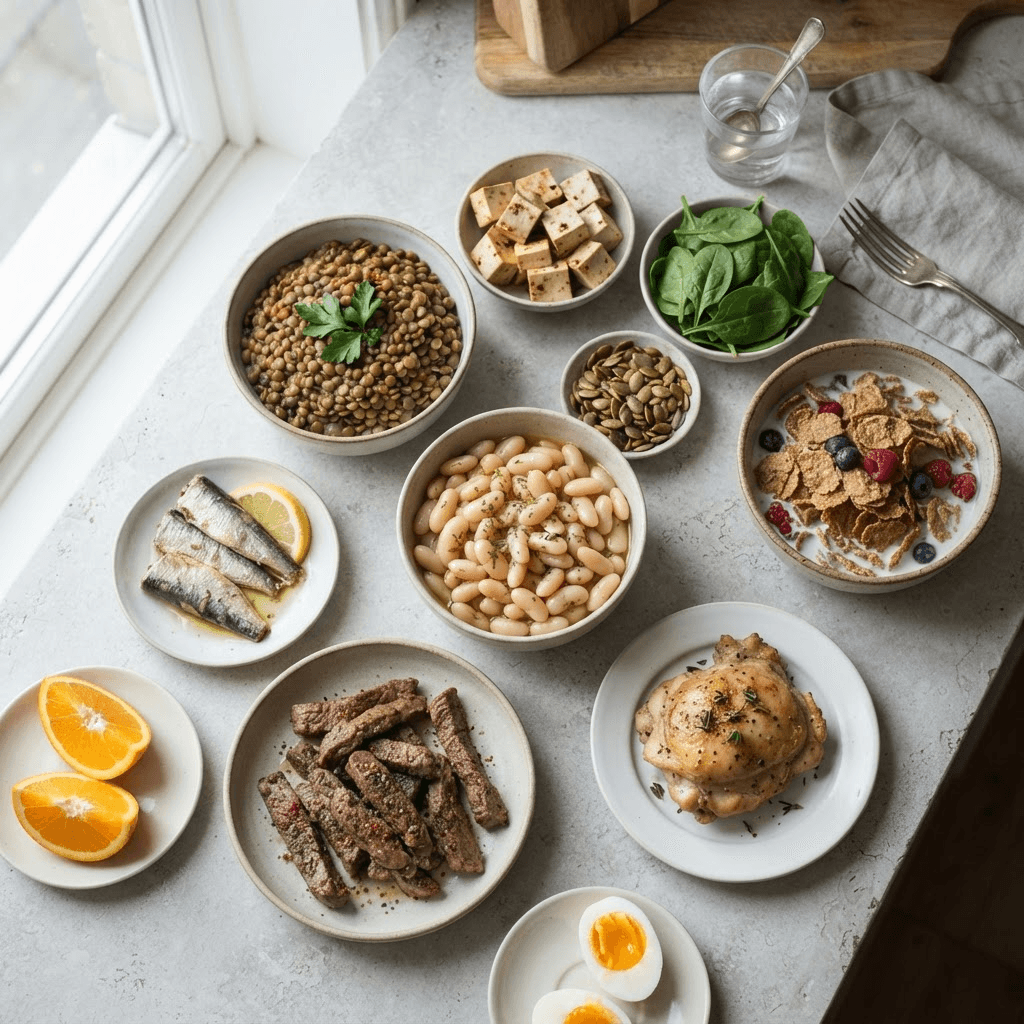
Protein, fibre, iron, magnesium, and the supplement aisle. How much you actually need, and the everyday food that gets you there.

Is something off?

Bloating, an energy crash at three, a cholesterol result you were not expecting. Food-first answers for the system doing the complaining.

How this desk works

Most nutrition writing sells a rule: cut this, add that, and the rest of your life falls into place. We would rather show the working. Each guide gives the amount that matters, the food that gets you there, and an honest note about how strong the evidence behind it really is.

Nothing here is personal medical advice. Pregnancy, diagnosed conditions, eating disorders and prescribed medication all change the answer, and every guide says where to stop reading and start talking to someone who knows your history.