Best Vitamins and Supplements Actually Worth Taking Daily
Most healthy adults need fewer pills than the supplement aisle suggests. Here is what may be useful, who actually benefits, and how to choose a safe dose without replacing real food.

At a glance
- There is no universal daily supplement list for every healthy adult.
- Vitamin D, vitamin B12, folic acid and iron are useful in specific life stages, diets or confirmed deficiencies.
- A basic multivitamin can fill small gaps, but it does not replace vegetables, protein, whole grains or sleep.
- Choose independently tested products near 100% of the Daily Value and avoid proprietary blends and megadoses.
- Check medicines, health conditions and blood-test results with a clinician before starting higher-dose products.
A bottle can promise energy, immunity, sharper focus and healthier hair in the space of four inches. That does not mean your body needs what is inside. For most people, the useful supplement list is short and personal: it depends on what you eat, your age, pregnancy plans, medications, sun exposure and sometimes a blood test.
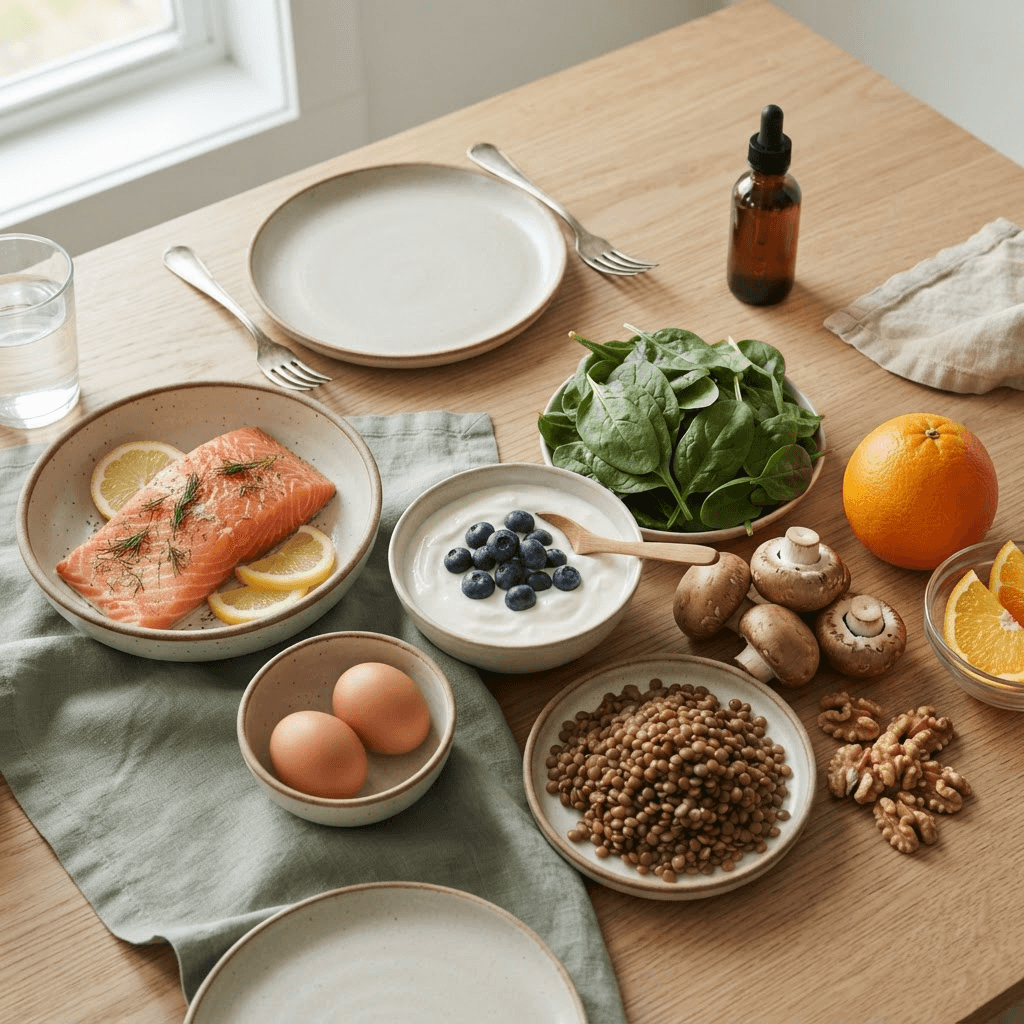
Start with the plate. Salmon supplies protein alongside vitamin D and omega-3 fats; lentils bring iron with fiber; yogurt contributes calcium with protein. A pill usually delivers one isolated nutrient without the filling, flavorful food around it. Supplements earn their place when food cannot reliably cover a need—not when marketing creates a need you did not have.
The supplements that are genuinely useful—for the right person
Vitamin D: useful when sunlight and food fall short
Vitamin D helps absorb calcium and supports bone and muscle function. Very few foods naturally contain much; oily fish, egg yolks and fortified milk or plant drinks are the practical sources. People with little sun exposure, darker skin at northern latitudes, older adults and those with certain absorption conditions are more likely to run low.
A clinician may recommend a modest daily dose based on local guidance or a blood test. More is not better: excessive vitamin D can raise blood calcium and harm the kidneys. Avoid automatically reaching for 5,000 or 10,000 IU products unless they are being used to treat a documented deficiency under supervision.
Vitamin B12: essential for vegans and some older adults
Vitamin B12 supports red blood cells and the nervous system. It occurs naturally in animal foods, so people eating a vegan diet need a reliable fortified food or supplement. Absorption may also decline with age and can be reduced by metformin, acid-suppressing medicines, pernicious anemia and some digestive surgery.
B12 supplements often contain far more than the Daily Value because only a small fraction of a large dose is passively absorbed. That can be appropriate, but the schedule and dose should match the reason you are taking it. Numbness, balance changes and persistent fatigue deserve testing because delayed treatment of deficiency can leave lasting nerve damage.
Folic acid: important before and during early pregnancy
People who could become pregnant are generally advised to take 400 micrograms of folic acid daily before conception and through early pregnancy because it reduces the risk of neural tube defects. Some people need a higher prescribed dose because of medicines, health history or a previous affected pregnancy. Folate-rich beans, leafy greens and fortified grains still belong on the plate, but food alone is not considered a dependable substitute for this recommendation.
Iron: valuable for deficiency, risky as a just-in-case habit
Iron is not a casual wellness supplement. Menstruation, pregnancy, blood donation, gastrointestinal blood loss and restrictive diets can increase deficiency risk, but too much iron can cause constipation and toxicity. Ask for appropriate testing before taking it long term. A ferritin result needs clinical context; do not diagnose yourself from one number.
At meals, pair plant iron from lentils, tofu or fortified cereal with vitamin C from peppers, citrus or berries. Keep tea and coffee away from an iron-focused meal if your levels are low because their polyphenols can reduce absorption. These small food decisions matter even when a supplement is prescribed.
Calcium: fill the gap rather than chasing the largest dose
Calcium is best spread across food: milk, yogurt, calcium-set tofu, canned salmon with bones and fortified plant drinks. If your usual day consistently falls short, a supplement may fill the difference. The body absorbs smaller amounts better than one giant dose, and calcium can interfere with thyroid medicine and iron. Food first is especially useful here because it naturally divides calcium across meals.
Omega-3: fish first; capsules are a practical alternative
Eating oily fish such as salmon, sardines, trout or mackerel once or twice a week supplies EPA and DHA along with protein, selenium and other nutrients. If you do not eat fish, an algae-derived DHA/EPA product is a direct vegetarian option. Fish-oil capsules are not a universal shield against heart disease, and high doses may increase bleeding or atrial fibrillation risk in some people. Use therapeutic doses only with medical guidance.
| Supplement | Who may benefit | Food-first check | Main caution |
|---|---|---|---|
| Vitamin D | People with low exposure or confirmed low levels | Oily fish and fortified milk | High doses can cause toxicity |
| Vitamin B12 | Vegans, some older adults and people with poor absorption | Eggs, dairy, fish and fortified foods | Do not delay testing for nerve symptoms |
| Folic acid | People planning or capable of pregnancy | Beans, greens and fortified grains | Higher doses require clinical advice |
| Iron | People with confirmed deficiency or increased needs | Meat, lentils, tofu and fortified cereal | Constipation, interactions and overdose risk |
| Calcium | People unable to meet needs through food | Dairy, fortified drinks and calcium-set tofu | Can interact with medicines |
| Omega-3 | People who do not eat oily fish; selected clinical uses | Salmon, sardines, trout and mackerel | High doses may affect bleeding or heart rhythm |
How supplement needs change across life stages
A useful routine at one stage of life may be unnecessary at another. Pregnancy planning brings folic acid to the front; a vegan eating pattern makes B12 non-negotiable; aging can change appetite, vitamin D production in skin and B12 absorption. The goal is not to collect products as the years pass. It is to review what has changed and respond to the few gaps that are actually present.
Pregnancy planning and pregnancy
Start folic acid before conception rather than waiting for a positive pregnancy test. A prenatal vitamin can also provide iodine, vitamin D and iron, but formulas vary and more is not automatically safer. Check vitamin A carefully: preformed retinol in high doses can be harmful during pregnancy, while beta-carotene is handled differently. Discuss iodine and iron with the maternity care team, especially with thyroid disease, anemia or a restrictive diet.
Plant-based diets
Vitamin B12 is the central supplement for a vegan diet because unfortified plant foods are not reliable sources. Depending on food choices and location, vitamin D, iodine, calcium and long-chain omega-3 fats may also need attention. That does not mean every vegan needs a large stack. Fortified soy drink, calcium-set tofu, iodized salt and an algae DHA/EPA product can solve different gaps deliberately.
Adults over 50
Lower appetite and reduced absorption can make nutrient density more important with age. Fortified foods or supplemental B12 may be easier to absorb than food-bound B12 for some older adults. Vitamin D and calcium deserve a review when bone health, limited outdoor time or low dairy intake is a concern. Protein remains equally important and should not be crowded out by pills.
Athletes and highly active people
Training raises energy needs before it creates a need for specialty supplements. Enough food, carbohydrate, protein, fluids and sleep do most of the work. Iron testing may be appropriate for endurance athletes with symptoms or risk factors, but blind supplementation can be harmful. Products marketed for performance also carry a contamination risk, so choose sport-certified testing when competition rules apply.
Does a daily multivitamin deserve a place at breakfast?
A plain multivitamin can be reasonable insurance for someone with a limited appetite, a very restricted diet or inconsistent access to varied food. It is not a shortcut to a longer life, and trials have not shown that ordinary multivitamins prevent every major chronic disease. Think gap filler, not force field.
Choose a once-daily product with most nutrients around 100% of the Daily Value rather than a “high potency” formula. Be careful with preformed vitamin A during pregnancy, avoid added iron unless you need it, and remember that stacking a multivitamin with separate hair, immunity and energy formulas can quietly duplicate the same nutrients.
The best supplement routine is not the one with the most bottles. It is the smallest routine that solves a clearly identified problem.
What I would usually leave on the shelf
- Megadose antioxidant formulas: high-dose beta-carotene is particularly unsafe for people who smoke or used to smoke, and isolated antioxidants have not reproduced the benefits of eating plants.
- Detox and cleanse products: your liver and kidneys already perform detoxification. Many blends are laxatives or diuretics dressed in wellness language.
- Proprietary blends: if the label hides the amount of each ingredient, you cannot judge effectiveness, interactions or safety.
- Hair, skin and nail gummies with very high biotin: deficiency is uncommon, benefits are uncertain without deficiency, and biotin can distort important laboratory tests.
- Greens powders as a vegetable replacement: they may add micronutrients, but they do not reproduce the fiber, water, texture and variety of a plate of plants.
A five-minute label check before you buy
- Name the job. Write down the nutrient gap or clinical reason. “General wellness” is too vague to judge whether a product works.
- Read the dose, not the front. Compare the amount per serving with the Daily Value and check whether a serving is one capsule or four.
- Look for independent verification. Marks from organizations such as USP, NSF or ConsumerLab can verify identity and contamination standards; they do not prove that the product will improve your health.
- Avoid unnecessary extras. Herbs, stimulants, sweeteners and proprietary blends add interaction risk without fixing the nutrient gap.
- Bring the bottle to appointments. A pharmacist can compare it with prescriptions, and your clinician can tell you when to stop or retest.

Timing, absorption and interactions that matter
Timing will not rescue an unnecessary supplement, but it can make a useful one easier to tolerate. Vitamins A, D, E and K are fat-soluble, so taking them with a meal that contains some fat is practical. Iron is often absorbed better away from calcium, tea and coffee, although taking it with food may reduce stomach upset. Consistency matters more than chasing an exact minute on the clock.
- Separate calcium or iron from levothyroxine and certain antibiotics according to the medicine label or pharmacist’s instructions.
- Tell the anticoagulation team before changing vitamin K intake or adding fish oil, vitamin E or herbal products.
- Stop high-dose biotin before laboratory tests when instructed because it can distort thyroid, hormone and cardiac test results.
- Use one pill organizer only after checking that each product can be stored outside its original packaging and away from children.
- If a supplement causes nausea, constipation, diarrhea, rash or unusual bleeding, stop and ask a clinician or pharmacist for advice.
What “food first” looks like on an ordinary Tuesday
Breakfast might be fortified whole-grain cereal with milk or soy drink, berries and walnuts. Lunch could be a lentil and roasted-pepper bowl with leafy greens and yogurt dressing. Dinner might be salmon, potatoes and broccoli; a tofu stir-fry works too. That day covers fiber, protein, calcium, iron and a broad range of micronutrients without demanding perfect cooking.
If digestion makes a high-fiber plate difficult, increase plants gradually and use our high-fiber foods guide rather than jumping from very little fiber to a large supplement dose. If you are relying on powders because you regularly skip drinks and meals, the daily hydration guide offers a more useful place to reset.
Evidence behind this guide
These government and clinical sources inform the safety, deficiency and life-stage guidance above.
- Dietary Supplements: What You Need to KnowNIH Office of Dietary Supplements
- Vitamin D fact sheet for consumersNIH Office of Dietary Supplements
- Vitamin B12 fact sheet for consumersNIH Office of Dietary Supplements
- Folic acid recommendationsCenters for Disease Control and Prevention
- Omega-3 fatty acids fact sheetNIH Office of Dietary Supplements
- Iron fact sheet for consumersNIH Office of Dietary Supplements
- Calcium fact sheet for consumersNIH Office of Dietary Supplements
- Using dietary supplements wiselyNational Center for Complementary and Integrative Health
Straight answers about everyday supplements
What vitamins should most adults take every day?
There is no universal list. Needs depend on diet, life stage, health conditions, medicines and test results. Vitamin D or B12 may be appropriate for some people, while folic acid is recommended for people who could become pregnant. Start with a specific need rather than a generic stack.
Is it good to take a multivitamin every day?
A basic multivitamin is generally reasonable for many adults and can fill small gaps, but it does not replace a varied diet or reliably prevent chronic disease. Avoid megadoses and check for overlap with other supplements.
Should I take vitamin D daily?
People with limited sun exposure, low dietary intake or a documented low level may benefit. The appropriate dose varies with circumstances and local guidance. Avoid high-dose daily products unless a clinician is monitoring treatment.
Are gummy vitamins as effective as tablets?
They can provide the listed nutrients, but gummies often contain added sugar, may omit minerals such as iron and can be easier to overconsume. Compare the dose, serving size and independent testing rather than choosing by format alone.
Can supplements interact with medication?
Yes. Calcium and iron can reduce absorption of some medicines, vitamin K can affect warfarin, and high-dose omega-3s may affect bleeding risk. Share a complete supplement list with your pharmacist or clinician.
Vitalis Nutrition Desk
The Vitalis Nutrition Desk turns established nutrition science into useful, food-first guidance for everyday kitchens.
Medical disclaimer: This article provides general food and nutrition education, not personalised medical nutrition therapy. Speak with a qualified clinician or registered dietitian if you have a medical condition, food allergy, take medication affected by diet, or need an individual eating plan.