Lightened-Up Marry Me Chicken: The Viral Creamy Dinner Without the Cream
It went viral for a reason: golden chicken drowning in a creamy sun-dried tomato sauce. Here is how to keep every bit of that restaurant flavor while quietly swapping the two cups of heavy cream for something that leaves you full instead of heavy.
- Total
- 30 min
- Serves
- 4
- Protein
- ~35 g
- Sat fat
- −55%
Change one thing, keep everything
The lighten-up ledger
The flavor never moves. Only the dairy does. Here is the whole trade, at a glance.
- Heavy cream, 2 cupsEvaporated milk + Greek yogurt
- Big knob of butter1 tbsp olive oil, butter to finish
- Long simmer, dry chickenThin cutlets, back in at the end
- Fat-heavy, low protein~35g protein per serving
One skillet, start to plate
- Sear & remove0–8 minGolden cutlets, then out of the pan. The fond stays behind.
- Bloom the base8–10 minSun-dried tomatoes, garlic, chili and herbs in the same pan.
- Deglaze & thicken10–15 minBroth to lift the fond, then evaporated milk and parmesan.
- Finish off the heat15–20 minYogurt in with the pan OFF, chicken back, basil on top.
A few years ago a recipe with an absurd name started colonizing every feed at once: Marry Me Chicken. The premise, and the folklore, is that the sauce is so good someone will propose after one plate. The reality is a skillet of seared chicken sitting in a blush-pink sun-dried tomato cream sauce, and it is genuinely that good. It is also, in its original form, built on roughly two cups of heavy cream — which is why so many people cook it once, love it, and then feel like they need a nap and a walk.
This version fixes exactly that one problem and changes nothing else. We are not "healthifying" it into a sad, watery imitation with cauliflower and no salt. We are being surgical: the cream is the only ingredient doing damage, and it is doing almost none of the flavor work. Replace it intelligently and you get a dish that tastes like the viral one, hits about 35 grams of protein a serving, and lets you finish the plate feeling satisfied rather than defeated.
What follows is not a list of commandments. It is how the sauce actually works, which swaps hold up under heat, the one mistake that turns a silky sauce grainy, and how to make it four times over for the week. Read the reasoning once and you will be able to lighten almost any cream sauce the same way.
First, the obvious question: why is it called that?
Nobody proposed. The name is marketing that stuck — it first spread from a recipe site around 2016 and then detonated on social media because it is impossible not to click. What it does tell you, usefully, is the intended vibe: this is date-night food, the kind you make to impress, rich and a little indulgent. Knowing that helps you cook it, because it means the goal is a sauce that feels luxurious in the mouth. Luxurious mouthfeel is a texture problem, not a fat-quantity problem, and that distinction is the entire trick of lightening it.
The lighten-up ledger: what changes and why
Heavy cream brings two things to the original: richness and body. Richness is a flavor sensation you can get from parmesan and a little fat; body is the clingy, coats-the-spoon texture, and that comes from milk solids and a touch of starch. Once you separate those two jobs, you can rebuild both without the 800-plus calories that two cups of cream drag in. Here is every swap, side by side with the reason it works — not just the substitution.
| Original | Lighter swap | Why it works |
|---|---|---|
| Heavy cream (2 cups) | Evaporated milk (1 cup) + plain Greek yogurt (½ cup) | Evaporated milk is concentrated, so it thickens like cream; yogurt adds tang and protein without the saturated fat |
| Chicken breasts, whole | Same breasts, pounded thin or sliced | Thin cutlets cook in minutes and stay juicy instead of drying out in a long simmer |
| A big knob of butter | 1 tbsp olive oil + 1 tsp butter to finish | You keep the buttery aroma at the end where you taste it, and lose the excess you never notice |
| Sun-dried tomatoes in oil (lots) | Same tomatoes, drained well | Draining loses fat, not flavor — the intense, jammy taste is in the tomato itself |
| Extra parmesan for richness | A modest amount of real parmesan | A little aged parmesan carries huge umami; you need less than you think to taste "creamy and rich" |

How to cook it: one skillet, four moves
Everything happens in a single wide skillet, and the order matters because each stage leaves something behind for the next. The chicken leaves fond — those browned bits stuck to the pan — the aromatics bloom in that fond, the liquid lifts it all into the sauce, and the chicken returns to finish. Do it in this order and you build layers of flavor for free.
Move 1 — Sear the chicken, then take it out
Pound the breasts to an even half-inch (or butterfly them into cutlets), pat them bone dry, and season well with salt and pepper. Get a tablespoon of olive oil properly hot, then lay the chicken down and leave it alone for three to four minutes a side until deeply golden. It will not be fully cooked through, and that is correct — it finishes in the sauce. Move it to a plate. That golden crust and the fond it leaves behind are the backbone of the dish.

Move 2 — Build the tomato-garlic base
Turn the heat down to medium. Into the same pan add the drained sun-dried tomatoes and a big pile of minced garlic — four cloves is not too many — plus a pinch of chili flakes and a teaspoon of dried Italian herbs. Stir for about a minute until the garlic smells sweet rather than raw and the tomatoes start to sizzle. This is where the "restaurant" smell comes from, so do not rush it, but do not let the garlic brown or it turns bitter.
Move 3 — Deglaze and build body
Pour in about half a cup of low-sodium chicken broth and scrape the bottom of the pan hard with a wooden spoon; every browned speck lifting off the metal is pure flavor dissolving into your sauce. Let it bubble for a minute to reduce slightly, then stir in the cup of evaporated milk. Bring it to a gentle simmer and add the parmesan, stirring until it melts in. The sauce will thicken noticeably as the parmesan and reduced milk do their work.

Move 4 — Finish off the heat (the important one)
This is the step that makes or breaks the lighter version, so read it twice. Turn the heat off completely. Let the sauce stop bubbling for thirty seconds, then whisk in the half cup of Greek yogurt along with the finishing teaspoon of butter. Slide the chicken and its resting juices back in, spoon the sauce over, and let the residual heat warm everything through and finish cooking the chicken to 165°F. Scatter torn basil on top and serve straight from the pan.
Troubleshooting: if your sauce splits or thins
A lighter cream sauce is slightly less forgiving than one built on pure fat, but every common problem has a quick, unglamorous fix. Here are the three that come up most, and what to actually do in the moment.
- It looks grainy or curdled — the yogurt got too hot. Pull the pan off the heat immediately and whisk hard; a splash of cold broth or milk and vigorous whisking will often bring it back together. Next time, add the yogurt later and cooler.
- It is too thin — let it reduce a little longer before the yogurt goes in, or stir a teaspoon of cornstarch into a tablespoon of cold broth and whisk that slurry in while the sauce simmers. Parmesan also thickens as it melts, so give it a minute.
- It is too thick or claggy the next day — this is normal, the starch and dairy set as they cool. Loosen it with a splash of broth, milk or water over low heat and it returns to a pourable sauce.
The difference between a silky sauce and a grainy one is almost never the ingredients. It is whether the yogurt met a boiling pan or a resting one.
What to serve it with
Because this version is genuinely high in protein and not overwhelmingly rich, you have room to build a real plate around it rather than just soaking up cream. The sauce is the star, so pick a base that carries it.
- Orzo or a small portion of pasta — the classic pairing, and the little pasta shapes trap the sauce beautifully.
- A bed of greens or wilted spinach stirred into the sauce — the lowest-effort way to turn it into a one-pan meal with vegetables built in.
- Mashed potato or polenta for something more comforting, or plain rice if that is what is in the cupboard.
- A sharp green salad on the side to cut the richness, dressed simply with lemon and olive oil.

Making it ahead and reheating without splitting
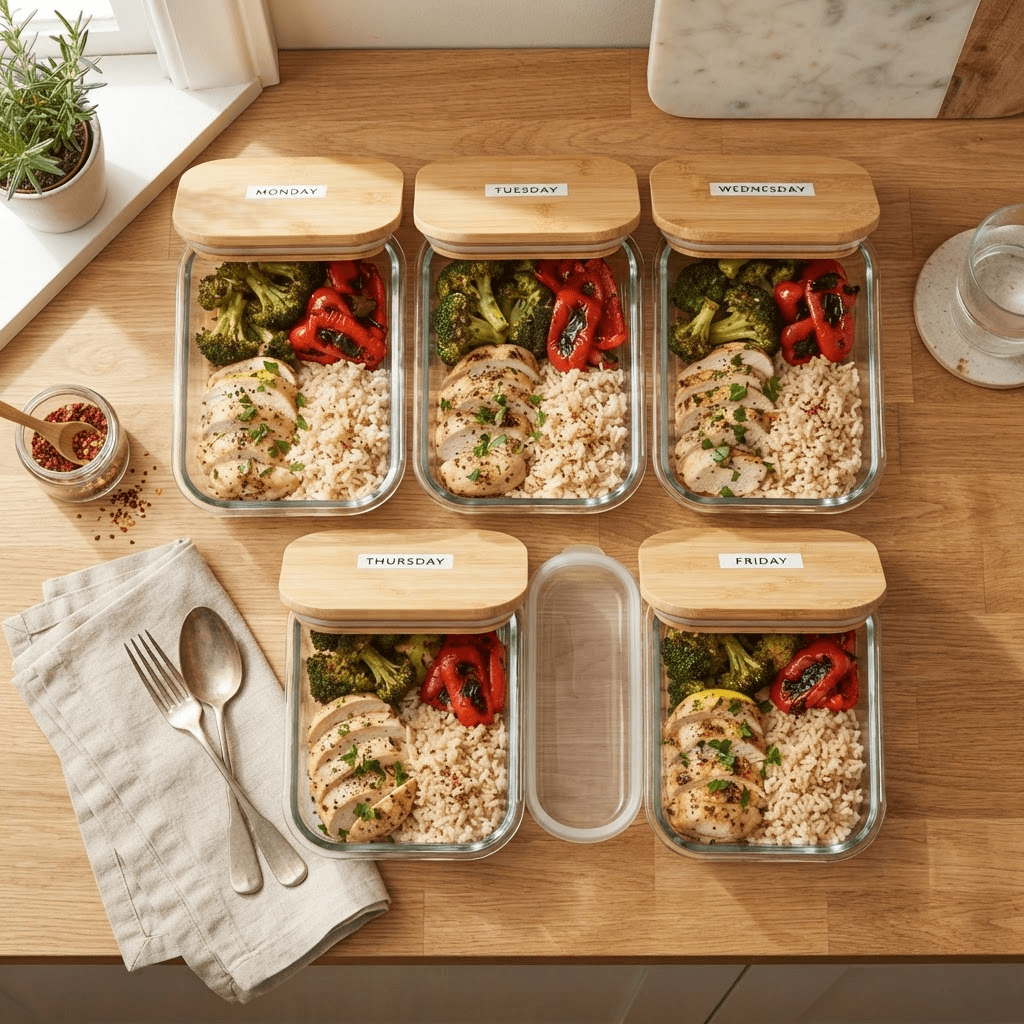
This reheats better than most cream-based dishes, precisely because it is not held together by pure fat. Cook the chicken and sauce as written, cool it quickly and portion it into containers. It keeps for three to four days in the fridge. The one rule for reheating any yogurt-finished sauce is gentle heat: warm it slowly on the stovetop or at reduced microwave power, stirring, and add a splash of liquid to loosen it. Blasting it on full power is the only way to make it split after the fact.
| Situation | What to do | Note |
|---|---|---|
| Fridge, 3–4 days | Cool within 2 hours, store airtight | Sauce thickens when cold — expected |
| Reheating | Low and slow with a splash of broth or milk | High heat can re-split the yogurt |
| Freezing | Freeze the chicken; the sauce may separate on thaw | A hard whisk while reheating usually recovers it |
The honest nutrition: what actually changed
Here is the real payoff, stated plainly. The classic version leans heavily on saturated fat from two cups of heavy cream, which is exactly the fat the American Heart Association suggests most people limit for heart health. Swapping to evaporated milk and Greek yogurt cuts that saturated fat by more than half per serving and adds protein on top, because both swaps are protein-rich where cream is almost entirely fat.
A serving of this lightened version lands in the region of 400 calories with roughly 35 grams of protein, versus a classic serving that can climb well past 600 calories with a fraction of the protein-to-calorie ratio. Exact numbers depend on your brands and how much you serve — treat these as estimates, not lab values. If you are building meals around protein, this slots neatly alongside our high-protein meal-prep system, and the sauce is a good place to sneak in vegetables from our high-fiber foods guide.
Sources for the nutrition and food-safety context
These public-health sources support the guidance on saturated fat, safe poultry cooking temperature and leftover storage.
- Saturated fat and heart health recommendationsAmerican Heart Association
- Safe minimum internal cooking temperatures (poultry 165°F)FoodSafety.gov
- Cold food storage and leftoversFoodSafety.gov
Pin this to the cabinet
Five things to remember
- The flavor of marry me chicken lives in the sun-dried tomatoes, garlic and parmesan — not the two cups of cream, which you can replace without anyone noticing.
- Swap heavy cream for a mix of evaporated milk and Greek yogurt and you cut the saturated fat by more than half while adding protein.
- Yogurt curdles if you boil it. Take the pan off the heat and temper it in at the very end, and the sauce stays silky every time.
- Pounding the chicken thin is the single step that turns a dry, chalky result into juicy in eight minutes flat.
- One serving lands near 35 grams of protein, so a bed of orzo or greens is all it needs to be a full dinner.
Before you cook
The questions people actually ask about this one
Can I really taste the difference from the original?
Side by side, the lighter version is very slightly less heavy and has a faint pleasant tang from the yogurt. On its own, most people cannot tell — the flavor comes from the sun-dried tomatoes, garlic and parmesan, all of which are unchanged. What you notice is afterwards, when you feel satisfied rather than sluggish.
What can I use instead of evaporated milk?
Whole milk works but gives a thinner sauce, so let it reduce longer or add a small cornstarch slurry for body. Half-and-half is a middle ground that is still lighter than cream. For dairy-free, full-fat canned coconut milk makes an excellent, slightly different sauce, and you can skip the yogurt or use a plain plant-based one added off the heat.
My sauce turned grainy — can I save it?
Usually, yes. Take the pan off the heat straight away, add a splash of cold milk or broth, and whisk hard. That often re-emulsifies it. Curdling happens when yogurt boils, so the fix for next time is to add the yogurt with the heat off and never return the sauce to a hard simmer afterward.
Can I use chicken thighs instead of breasts?
Absolutely. Boneless, skinless thighs are more forgiving and stay juicy, though they add a little more fat. Sear them the same way and give them a few extra minutes in the sauce to reach 165°F, as they are a bit thicker than pounded cutlets.
Is this gluten-free?
The sauce itself is naturally gluten-free — just check your chicken broth label, and use a cornstarch slurry rather than flour if you thicken it. Serve it over rice, polenta or gluten-free pasta and the whole plate is gluten-free.
How many people does one skillet feed?
As written, with four pounded breasts, it comfortably serves four over a base like orzo, rice or greens. If the sauce is the main event and you are serving it over pasta, it can stretch to five smaller portions.