Breakfast, already handled
High-Protein Overnight Oats Without Protein Powder
These thick, creamy overnight oats reach about 30 grams of protein per serving with cottage cheese and Greek yogurt—not a scoop of protein powder in sight.
Prep
10 minutes
Chill
6 hours
Makes
2 servings
Protein
about 30 g per serving
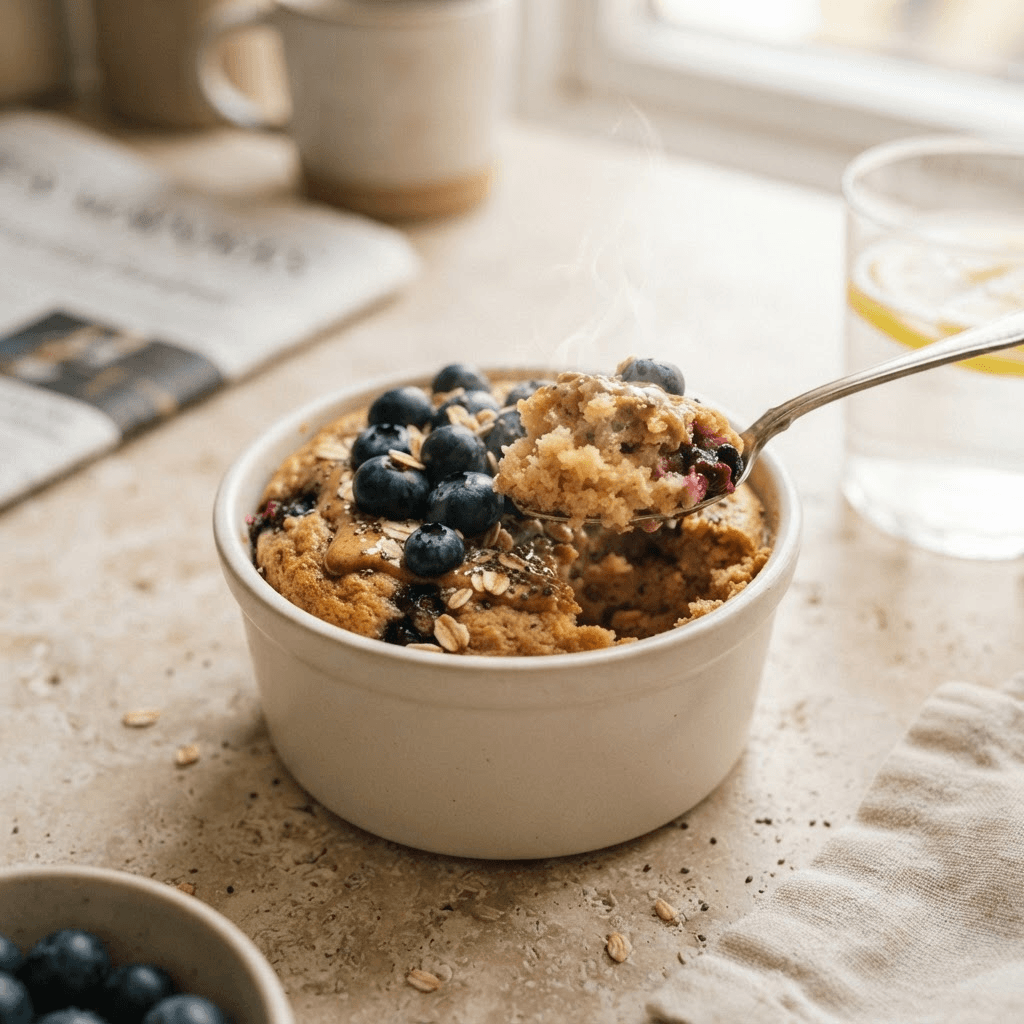
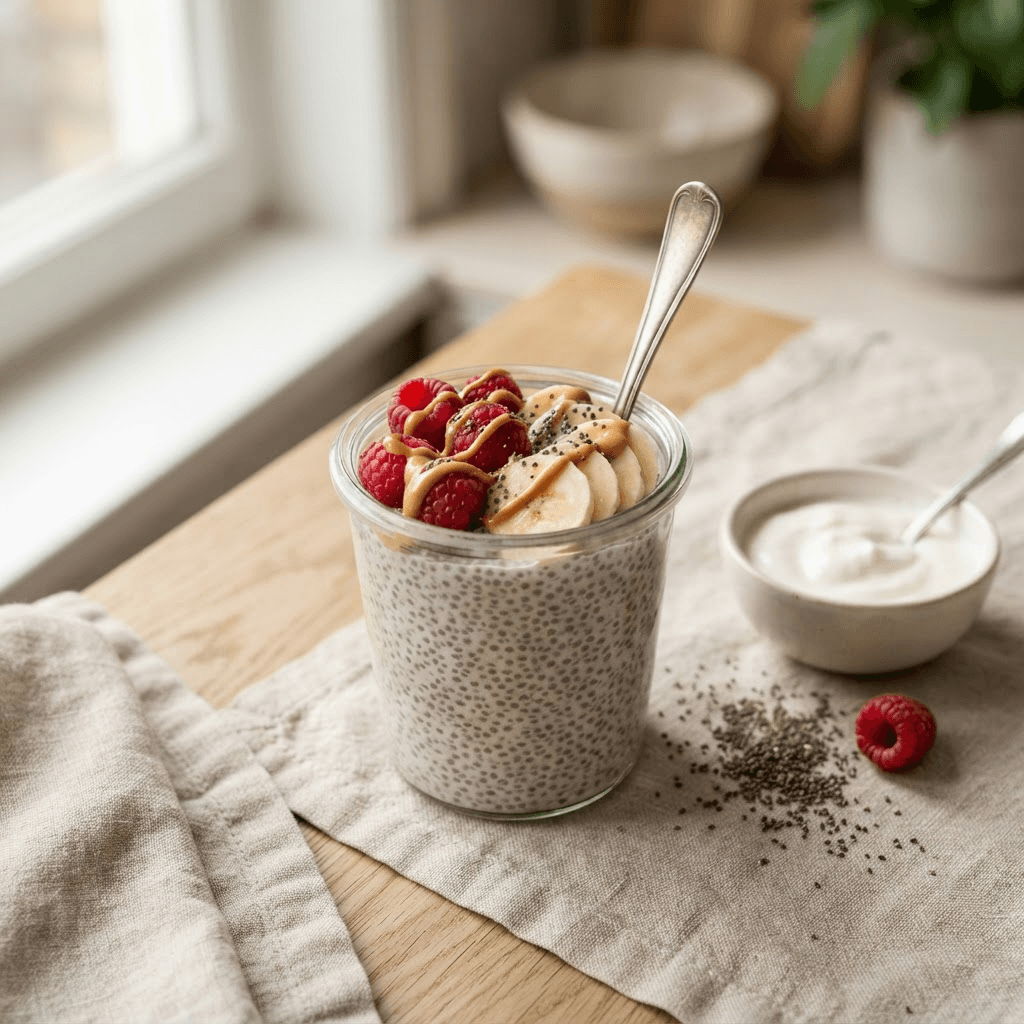
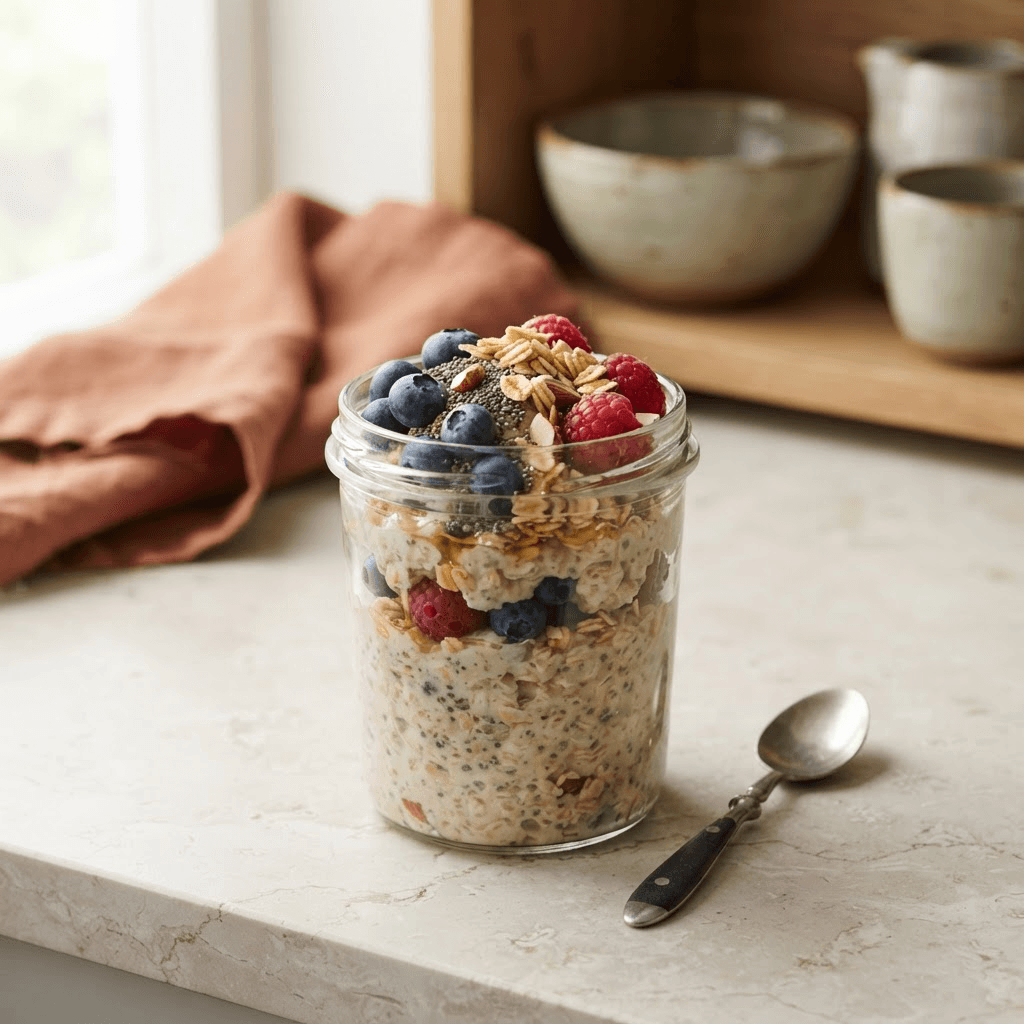
At 7:12 on a busy morning, breakfast should not need a cutting board, a hot pan or a motivational speech. It should be waiting. These high-protein overnight oats are built for exactly that moment: cold, creamy and spoonable, with berries pressed against the glass and enough structure to feel like breakfast rather than a sweet drink in a jar.
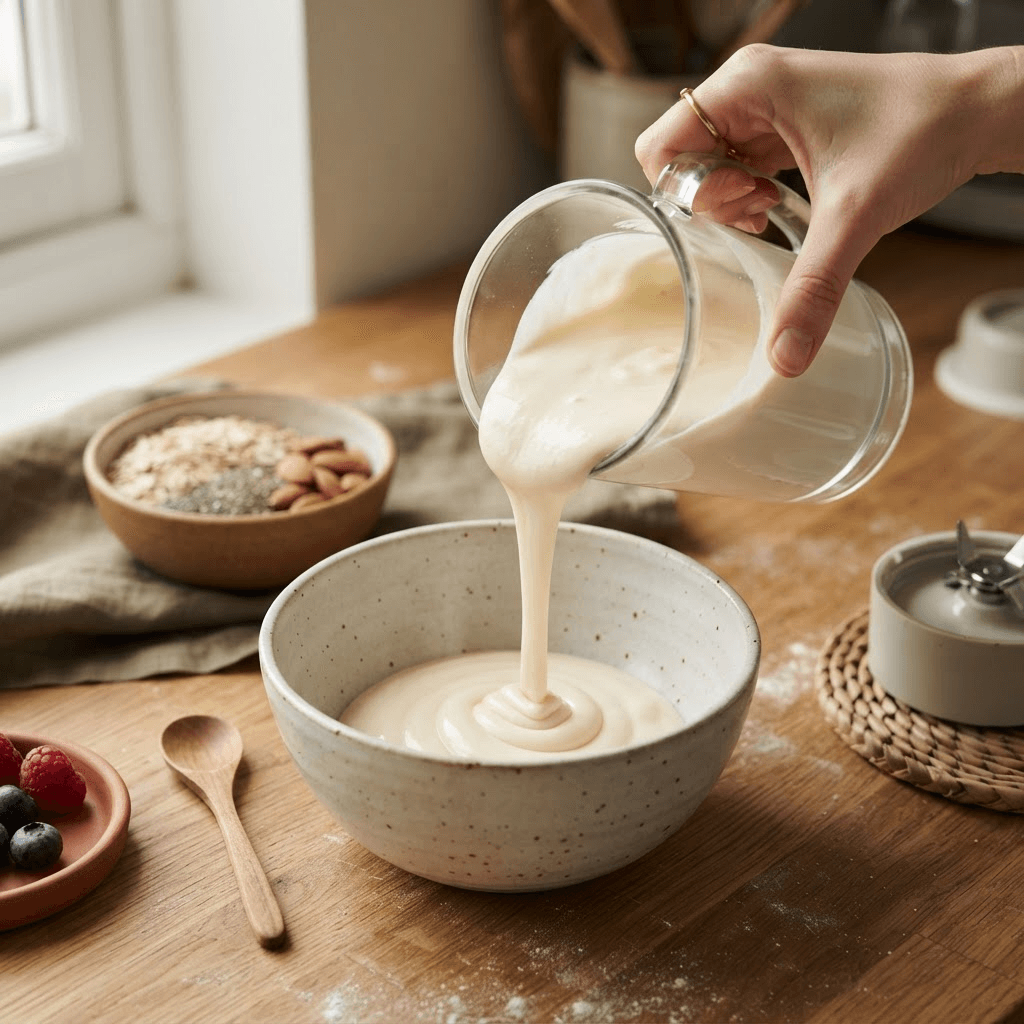
The unexpected ingredient is cottage cheese. Blended until silky, it loses its curdy texture and becomes a neutral, lightly tangy cream. Greek yogurt reinforces the body; oats and chia absorb the liquid overnight. The result reaches approximately 30 grams of protein per serving without protein powder, while still tasting first and foremost like berry overnight oats.
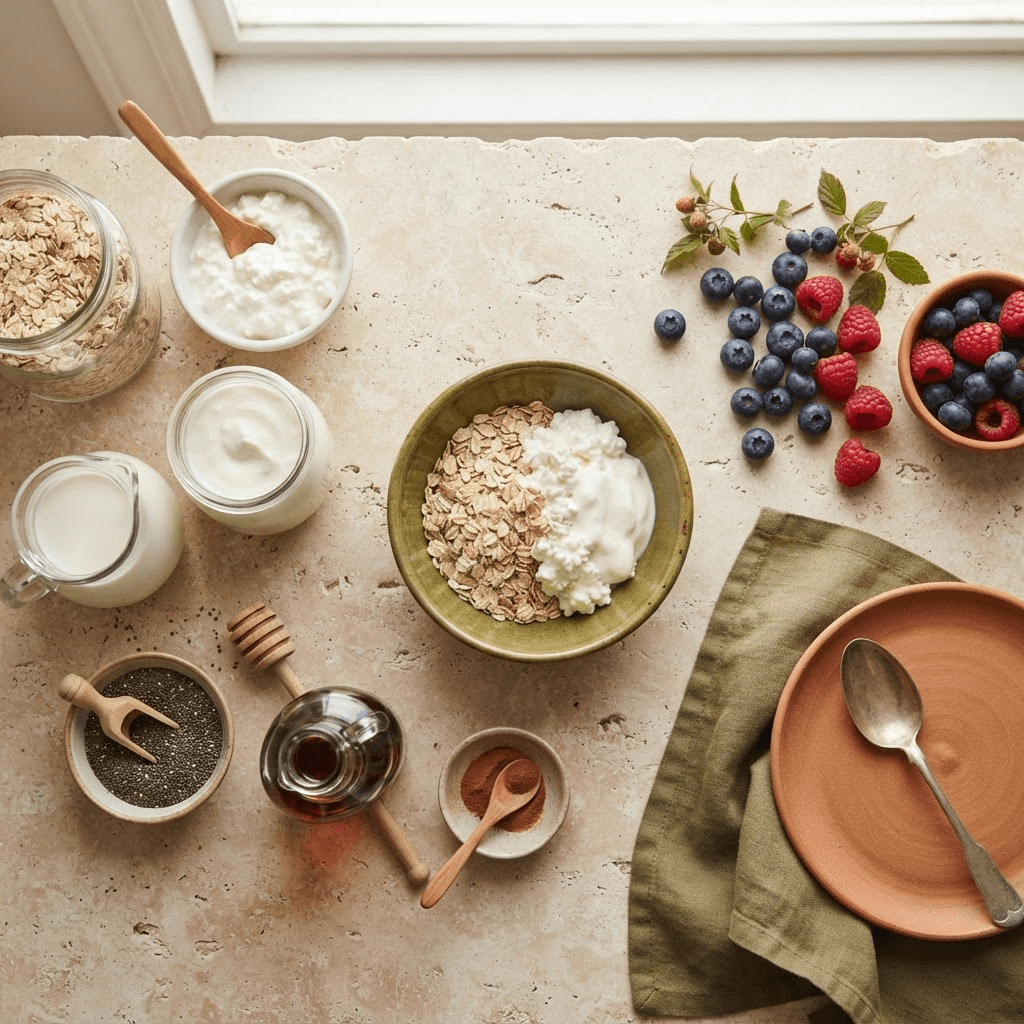
Creamy berry overnight oats
Two generous jars, about 30 grams of protein each, with no protein powder.
Ingredients
Creamy oat base
- 1 cup (90 g) old-fashioned rolled oats
- 1 cup (225 g) 2% cottage cheese
- 3/4 cup (180 g) plain Greek yogurt
- 1/2 cup (120 ml) milk, plus more to loosen
- 2 tablespoons chia seeds
- 1 tablespoon maple syrup or honey
- 1/2 teaspoon ground cinnamon
- 1/2 teaspoon vanilla extract
- Small pinch of fine salt
Berry finish
- 1 cup mixed blueberries and raspberries, fresh or frozen
- 2 tablespoons chopped walnuts or almonds
- Optional lemon zest for serving
Method
- 1
Blend the dairy base
Blend the cottage cheese, Greek yogurt, milk, maple syrup, vanilla, cinnamon and salt for 30 to 45 seconds. Scrape once if needed.
Look for: It should pour like thick cream, with no obvious cottage-cheese curds.
- 2
Fold in the oats and chia
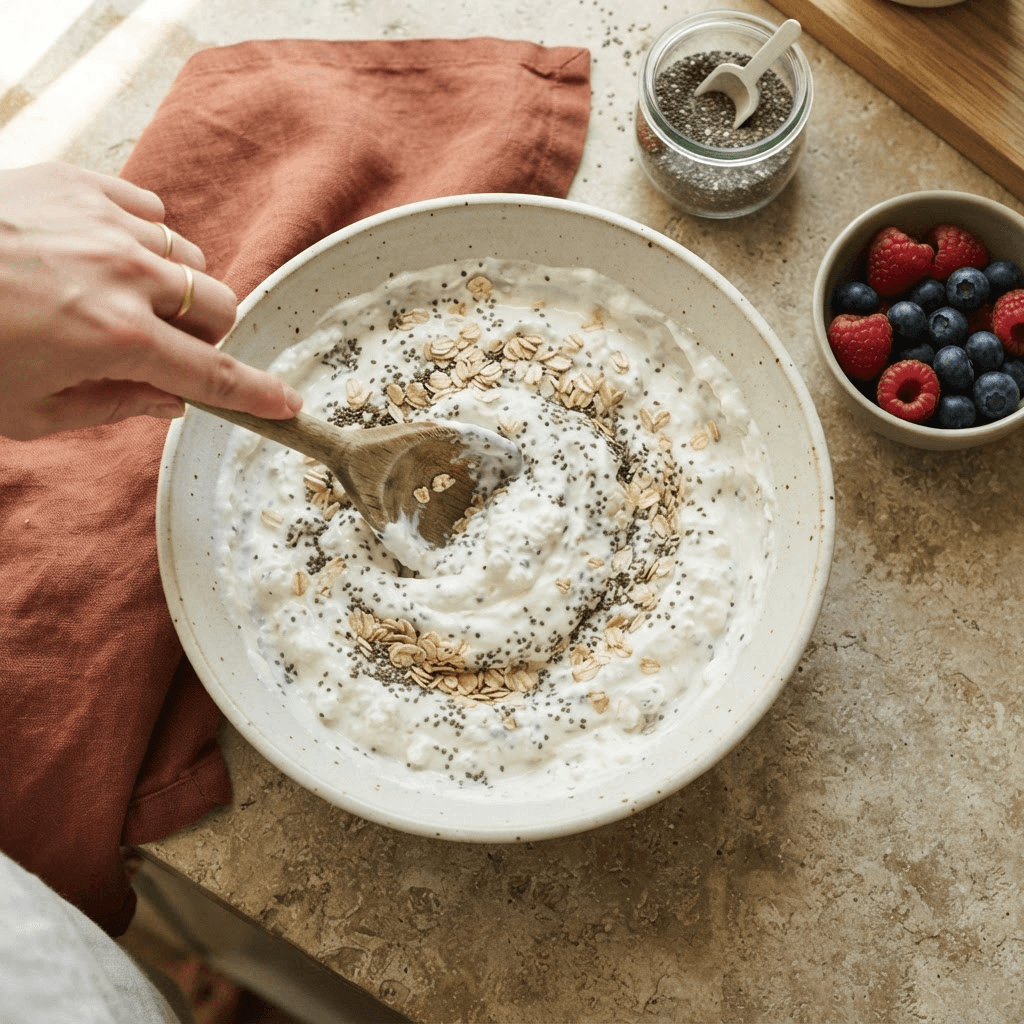
Pour the base into a bowl. Stir in the rolled oats and chia seeds until every oat is coated; wait two minutes, then stir again to break up chia clumps.
Look for: The mixture will look loose now. Chia and oats absorb liquid as they rest.
- 3
Layer and cover
Divide half the oat mixture between two clean jars. Add half the berries, then the remaining oats. Cover tightly.
Look for: Leave a little room at the top so you can stir in more milk tomorrow.
- 4
Chill until spoonable
Refrigerate for at least six hours, preferably overnight. Keep the jars at 40°F (4°C) or below.
Look for: The oats are ready when tender but distinct, and the mixture holds a soft spoon trail.
- 5
Adjust and finish
Stir well. Add milk one tablespoon at a time if the oats are thicker than you like. Finish with the remaining berries, nuts and lemon zest.
Look for: Taste before adding more sweetener; ripe berries often supply enough contrast.
calories
approximately 485 kcal
protein
approximately 30 g
carbohydrates
approximately 59 g
fiber
approximately 10 g
fat
approximately 15 g
Estimated per serving; values vary by brand, substitution and topping.
Why this no-powder method works
Many high-protein overnight oats rely on a flavored powder. That is convenient, but powders differ dramatically in sweetness, thickening power and aftertaste. This recipe gets its protein from foods with familiar kitchen behavior. Cottage cheese blends thick; strained Greek yogurt brings tang and body; milk loosens the mixture enough for dry oats to hydrate. You can change brands without having to reverse-engineer a powder.
Old-fashioned rolled oats are the useful middle ground. Their flakes are thin enough to soften in cold liquid yet substantial enough to retain a gentle chew. Harvard’s Nutrition Source notes that oats provide soluble beta-glucan fiber; they are not merely a vehicle for the toppings. Chia absorbs additional liquid, which is why the mixture looks slightly too loose before refrigeration and properly spoonable the next day.
The ingredient decisions that change the jar
Cottage cheese: blend for texture, choose for taste
A 2% cottage cheese gives a useful balance of richness and protein. Full-fat cottage cheese makes an even rounder base; fat-free versions can taste sharper and may need another splash of milk. Sodium varies by brand, so the recipe calls for only a small pinch of salt. Blend before adding the oats—trying to blend the finished mixture breaks the flakes into paste.
Greek yogurt and milk: the texture controls
Plain Greek yogurt keeps the recipe from becoming cloying and adds more protein. Regular yogurt works, but the jar sets looser. Dairy milk and unsweetened soy milk contribute more protein than most almond or oat drinks; use whichever suits you, then treat the stated protein as an estimate. The final tablespoon or two of milk belongs at serving time because different oats absorb at different rates.
Sweetener, spice and salt: use contrast, not camouflage
One tablespoon of maple syrup across two servings rounds the tang rather than making the oats dessert-sweet. Cinnamon, vanilla and a tiny pinch of salt make berries taste fuller. If your fruit is very ripe, reduce the syrup. If you use unsweetened frozen raspberries, taste after chilling and add a drizzle only if the jar truly needs it.
Read the texture, not just the clock
After six hours, a spoon drawn through the center should leave a soft trail that slowly settles. The oat flakes should be tender but still visible. If the mixture pours, stir in one teaspoon of chia and wait another 30 minutes. If it stands like cement, loosen each serving with one tablespoon of milk, stir and repeat only if necessary.
| What you see | Likely cause | What to do |
|---|---|---|
| Thin, milky oats | Too much liquid or regular yogurt | Add 1 teaspoon chia; chill 30 minutes |
| Dense, dry oats | Very absorbent oats or too little milk | Stir in milk 1 tablespoon at a time |
| Chia clumps | Seeds settled before a second stir | Break them up after two minutes, before chilling |
| Grainy dairy base | Cottage cheese was under-blended | Blend longer next time; the flavor is still fine |
| Bland flavor | Not enough contrast | Add a pinch of salt, lemon zest or tart berries |
Five flavor directions from one base
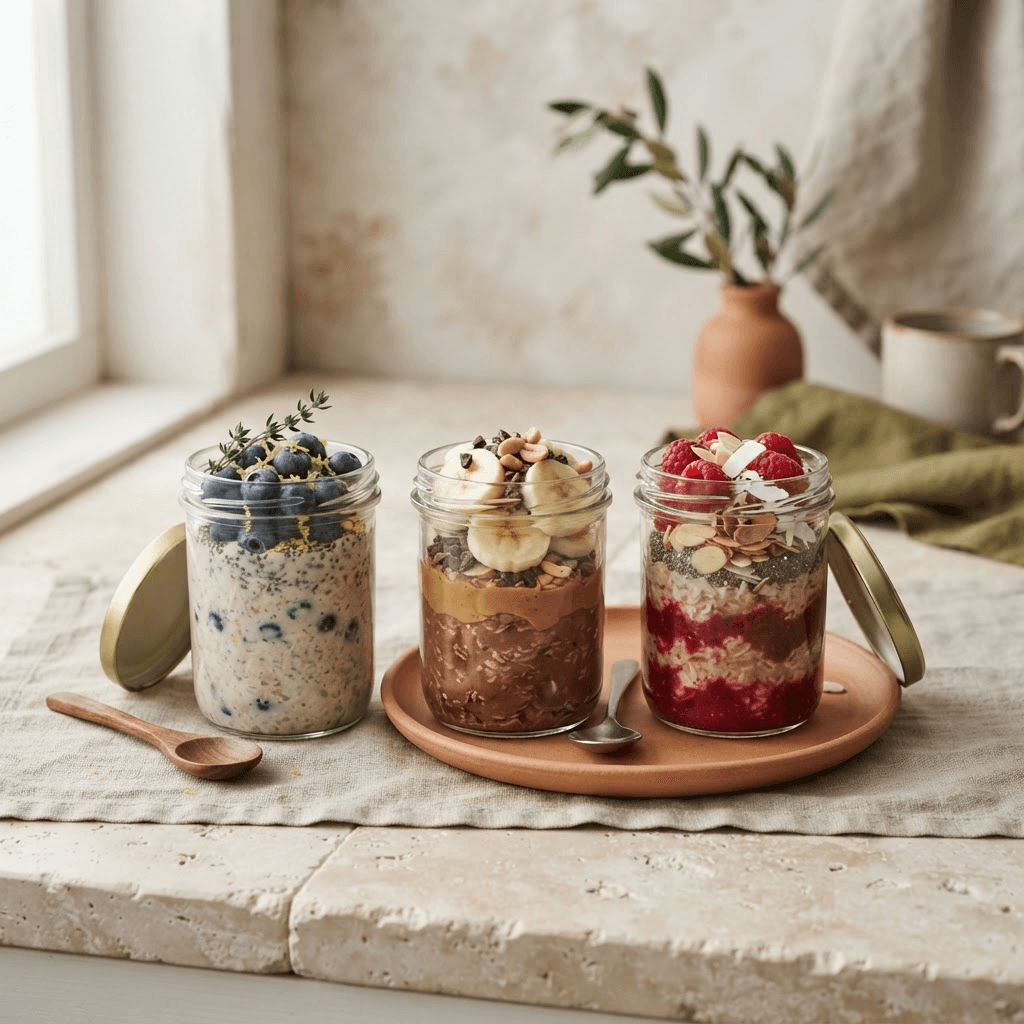
Keep the dairy-oat base the same and change the finish. This is more reliable than adding five different liquids before the oats hydrate. When you fold these jars into a wider high-protein meal-prep routine, place crunchy toppings in a separate small container so they remain crisp.
- Blueberry lemon: fold in blueberries before chilling; finish with lemon zest and chopped almonds.
- Chocolate peanut butter: whisk 1 tablespoon unsweetened cocoa into the blended base; top each jar with banana and 1 teaspoon peanut butter.
- Raspberry almond: lightly crush raspberries at the bottom of the jar and add almond extract very cautiously—about 1/8 teaspoon for the full batch.
- Apple cinnamon: replace berries with finely diced apple, add extra cinnamon and finish with walnuts. Choose a crisp-tart apple for contrast.
- Strawberry cheesecake: use sliced strawberries, lemon zest and two tablespoons of crushed whole-grain cereal added immediately before eating.
Meal prep, storage and a sensible safety boundary
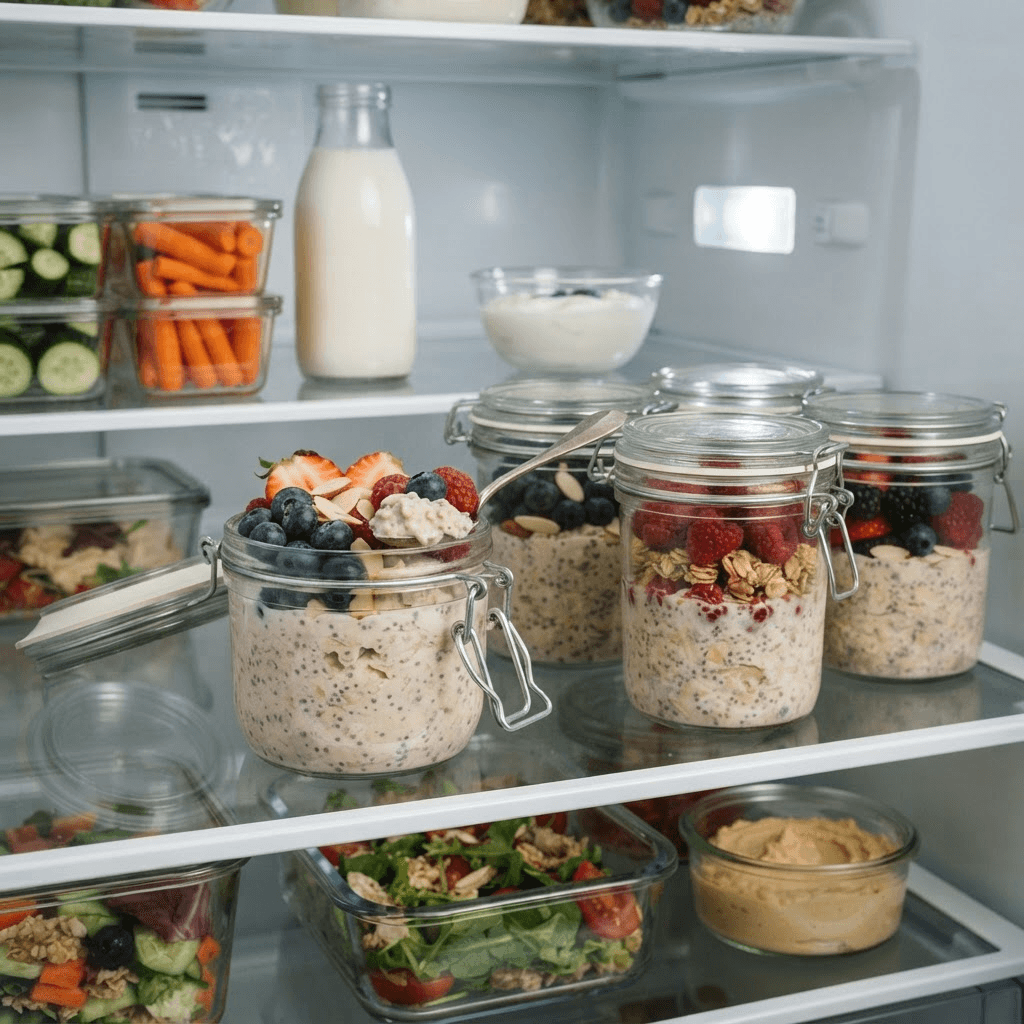
Mix the recipe in one bowl and divide it into clean, lidded containers rather than stirring each jar separately. This distributes chia and liquid evenly. Refrigerate promptly and keep the refrigerator at 40°F (4°C) or below. FoodSafety.gov’s cold-storage guidance uses a three-to-four-day window for many refrigerated leftovers; because this recipe contains dairy and cut fruit, our conservative quality recommendation is to prepare up to three days at a time.
Add nuts and cereal just before eating. Fresh berries can be layered in advance; sliced banana is better added in the morning because it browns and softens. If a jar has been left at room temperature for more than two hours, or smells fermented rather than pleasantly tangy, discard it. Freezing is possible for the plain base, but thawed berries release water and the dairy can lose some smoothness, so fresh refrigerator batches are better.
What “about 30 grams of protein” means
The estimate—approximately 485 calories, 30 grams of protein, 59 grams of carbohydrate, 10 grams of fiber and 15 grams of fat per serving—uses typical values for the listed quantities divided into two jars. It is not a laboratory analysis. Cottage cheese, Greek yogurt, milk, nuts and even oats vary by brand. Your serving can be meaningfully different, especially after substitutions or extra toppings.
Protein is only one part of the breakfast. Oats, berries and chia bring carbohydrate and fiber; dairy and nuts bring protein and fat. Together they create a more complete meal than simply making a protein number as high as possible. For more ideas built the same way, browse the rest of our Healthy Recipes collection. If you have diabetes, kidney disease, a dairy allergy or another condition requiring individualized nutrition targets, use guidance from your clinician or registered dietitian rather than a general recipe calculation.
Evidence and kitchen references
Sources used for nutrition and storage context
These sources support the general ingredient and food-safety context. They do not certify the exact nutrition of a home-prepared jar.
- Oats: nutrition, beta-glucan and processingHarvard T.H. Chan School of Public Health — The Nutrition Source
- FoodData Central nutrient databaseU.S. Department of Agriculture
- Cold food storage chartFoodSafety.gov
Reader questions
Before you close the refrigerator door
Can overnight oats really have 30 grams of protein without protein powder?
Yes. In this recipe, cottage cheese, Greek yogurt, milk, oats, chia and nuts together provide approximately 30 grams per serving. The exact amount depends on the brands and milk you choose, so check labels if you need a precise target.
Do cottage cheese overnight oats taste like cottage cheese?
Not strongly. Blending removes the curdy texture, while vanilla, cinnamon, berries and a little maple syrup soften the tang. A mild cottage cheese is best if you are sensitive to its flavor.
How long do high-protein overnight oats last in the refrigerator?
For best texture and conservative food handling, keep them covered at 40°F (4°C) or below and eat within three days. Add crunchy toppings just before serving.
Can I make this recipe dairy-free?
You can make a similar jar with unsweetened soy yogurt and soy milk, but it is not a direct cottage-cheese substitute and the protein and thickness will change. Choose higher-protein products and adjust the milk after chilling.
Can I warm overnight oats?
Yes. Transfer one serving to a microwave-safe bowl and warm in short intervals, stirring between each. Add the berries and nuts afterward. The texture becomes closer to creamy porridge.
Why are my overnight oats still chewy?
They may need more time or liquid, or you may have used thick-cut rolled oats. Stir in a tablespoon of milk and refrigerate another hour. Steel-cut oats require a different recipe and will remain much firmer.