Cottage Cheese Egg Bites: The Foolproof High-Protein Meal Prep (No Sous-Vide)
Blend, pour, bake. These cottage cheese egg bites copy the coffee-shop original for a fraction of the price, hit about 13 grams of protein per serving, and reheat all week without turning rubbery—no sous-vide machine required.
Jump to recipePrep
10 minutes
Bake
25 minutes
Makes
12 egg bites (6 servings of 2)
Protein
about 13 g per serving of two bites
Here is the honest reason most homemade egg bites disappoint: people treat them like a quiche and blast them at 375°F until they are safe. What you get is a bouncy, rubbery puck that smells like an overcooked omelette. The coffee-shop version you are trying to copy is not baked at all in the usual sense — it is cooked gently in steam, which is why it is silky. You can get 90 percent of the way there in a normal oven with two changes: a lower temperature and blended cottage cheese doing the heavy lifting.
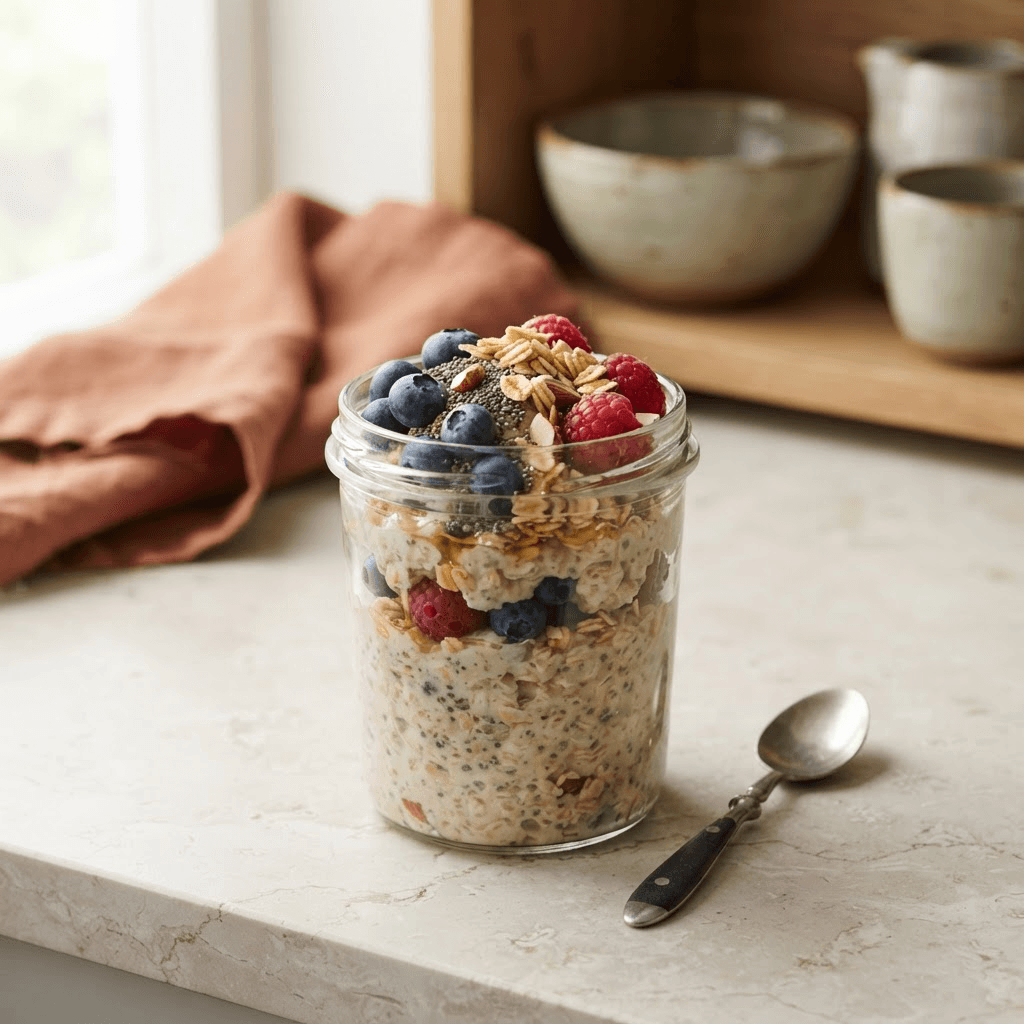
That is the whole trick, and the rest of this guide is about the small details that separate a good batch from a great one. If you already meal prep, these slot neatly beside a batch of high-protein overnight oats for a week of breakfasts that need zero morning effort.
Why you'll love this recipe
Two bites carry roughly the protein of two large eggs plus the cottage cheese boost — real staying power, not just a snack.
A batch of twelve costs a fraction of the coffee-shop version, which runs close to two dollars a bite.
No sous-vide machine, no water bath, no special gear. One blender and a muffin tin do the whole job.
Bake once, reheat all week. They travel in a lunch bag and survive a 30-second microwave without turning to rubber.
Why these are worth the muffin tin
Cottage cheese has quietly become the internet's favourite protein hack, and this is one of the few uses where it genuinely earns the hype. Blended into eggs it vanishes completely — no curds, no tang — and leaves behind a tender, protein-rich bite. The U.S. Department of Agriculture lists cottage cheese among the most protein-dense dairy foods per calorie, which is exactly why it beats the cream cheese most copycat recipes lean on.
What you need (and the one optional upgrade)
You almost certainly own everything except, maybe, silicone liners — and those are the single best three dollars you can spend on this recipe. The optional water bath is the only thing standing between a good home egg bite and one that is genuinely hard to tell apart from the coffee-shop version.
What's on your counter
Blender
Whips the cottage cheese into the eggs so completely that the finished bite is smooth and custardy, with zero visible curds.
12-cup muffin tin
Standard size. Metal browns the edges nicely; silicone releases without any sticking at all.
Silicone muffin liners or oil spray
Egg welds itself to bare metal. Liners or a heavy coat of spray are the difference between clean bites and a scraping job.
Liquid measuring cup
Pouring the blended mix from a spouted cup fills each well evenly without dribbling egg down the tin.
Roasting pan (optional)
Sitting the muffin tin in a shallow tray of hot water gives the silkiest texture, closest to the coffee-shop original.

Four things to do before you turn on the oven
Egg bites are forgiving in flavour and unforgiving in texture. Every one of the four habits below is aimed at the same enemy: water and heat, the two things that turn a silky bite rubbery or soggy. Read them once and you will skip the entire troubleshooting section below.
Bring the eggs and cottage cheese to room temperature
Cold dairy straight from the fridge blends unevenly and bakes with a grainy edge. Fifteen minutes on the counter is enough.
Grease more than you think you need
Egg protein grips metal harder than almost any batter. Coat every well and the rim between wells, or use silicone liners and skip the worry.
Pre-cook any watery vegetables
Raw spinach, mushrooms and tomatoes release water as they bake and leave a soggy pocket. Wilt or sauté them for two minutes and pat dry first.
Fill each well only three-quarters full
The bites puff dramatically in the oven and deflate as they cool. Overfilling makes them spill over and stick to the top of the tin.

How to make them, step by step
The method below is written for a standard oven. If you own a sous-vide setup or an Instant Pot you can adapt it, but you do not need to — the water-bath step gets you the same custardy result with gear you already have. The printable card further down has the exact quantities and timings in one place.
Cottage cheese egg bites
Ingredients
The custard base
- 6 large eggs, at room temperature
- 1 cup (225 g) low-fat cottage cheese
- 1/2 cup (55 g) shredded cheddar or Gruyère
- 1/4 teaspoon fine salt
- 1/8 teaspoon black pepper
- Pinch of ground nutmeg (optional, but it tastes like the real thing)
Mix-ins (about 3/4 cup total)
- 1/2 cup baby spinach, wilted and squeezed dry
- 1/4 cup finely diced red bell pepper
- 2 tablespoons chopped chives or green onion
- Optional: 1/4 cup cooked crumbled bacon or diced ham
Method
- 1
Heat the oven and prep the tin
Heat the oven to 325°F (165°C). Grease a 12-cup muffin tin generously or line it with silicone liners. If you want the silkiest texture, boil a kettle for an optional water bath.
Look for: The tin should look glossy with oil in every well, not dry in the corners.
- 2
Blend the base
Add the eggs, cottage cheese, shredded cheese, salt, pepper and nutmeg to a blender. Blend for 30 to 40 seconds until completely smooth and slightly frothy.
Look for: No curds should be visible — the mixture pours like a thin pancake batter.
- 3
Distribute the mix-ins
Divide the wilted spinach, pepper, chives and any meat evenly among the wells. Distributing solids first stops them all sinking into a few bites.
Look for: Each well should have a small, even scatter of colour before liquid goes in.
- 4
Pour and fill
Pour the blended base over the mix-ins, filling each well about three-quarters full. Give the tin a gentle tap on the counter to release air bubbles.
Look for: A few small bubbles rise and pop; the surface settles flat and even.
- 5
Bake low and slow
Bake for 22 to 27 minutes (set the tin in a tray of hot water first for the creamiest result). Pull them the moment the centres are just set with a slight jiggle.
Look for: Tops are puffed and barely golden; a knife in the centre comes out clean but moist.
- 6
Cool before releasing
Let the bites rest in the tin for 5 minutes. They deflate slightly — that is normal. Run a thin knife around the edge and lift them out.
Look for: They pull away cleanly once cooled; hot bites tear, cooled bites slide.
Nutrition at a glance

How they compare to the coffee-shop bite
| Per | 1 bite | 2 bites (serving) | Coffee-shop 2-pack |
|---|---|---|---|
| Calories | ~75 kcal | ~150 kcal | ~170 kcal |
| Protein | ~6.5 g | ~13 g | ~12 g |
| Total fat | ~5 g | ~10 g | ~11 g |
| Carbohydrate | ~1.5 g | ~3 g | ~9 g |
| Sodium | ~160 mg | ~320 mg | ~500 mg |
Estimated per serving from typical label values; figures vary by brand, mix-ins and portion size. Coffee-shop figures are a typical published two-bite pack for comparison only.
The numbers below are estimates built from typical label values for the ingredients listed, split into six servings of two bites. They are a calculation, not a lab result, and the exact figures shift with the brand of cottage cheese and cheese you use. Two things stand out against a popular coffee-shop two-bite pack: similar protein, but noticeably less sodium and carbohydrate.
Turning one bake into a week of breakfasts
Bake a double batch in one session
Two tins fit most ovens on a single rack. Twenty-four bites is breakfast for two people for the whole working week.
Cool completely before you seal them
Warm bites trapped in a closed container steam themselves and turn soggy. Cool on a rack, then box.
Portion two-per-container
Pre-splitting into grab-and-go portions is what turns a tray of eggs into a decision you never have to make again on a Tuesday morning.
Reheat gently
Microwave two bites for 25–30 seconds only. Overheating is the fastest way to make a great egg bite rubbery.
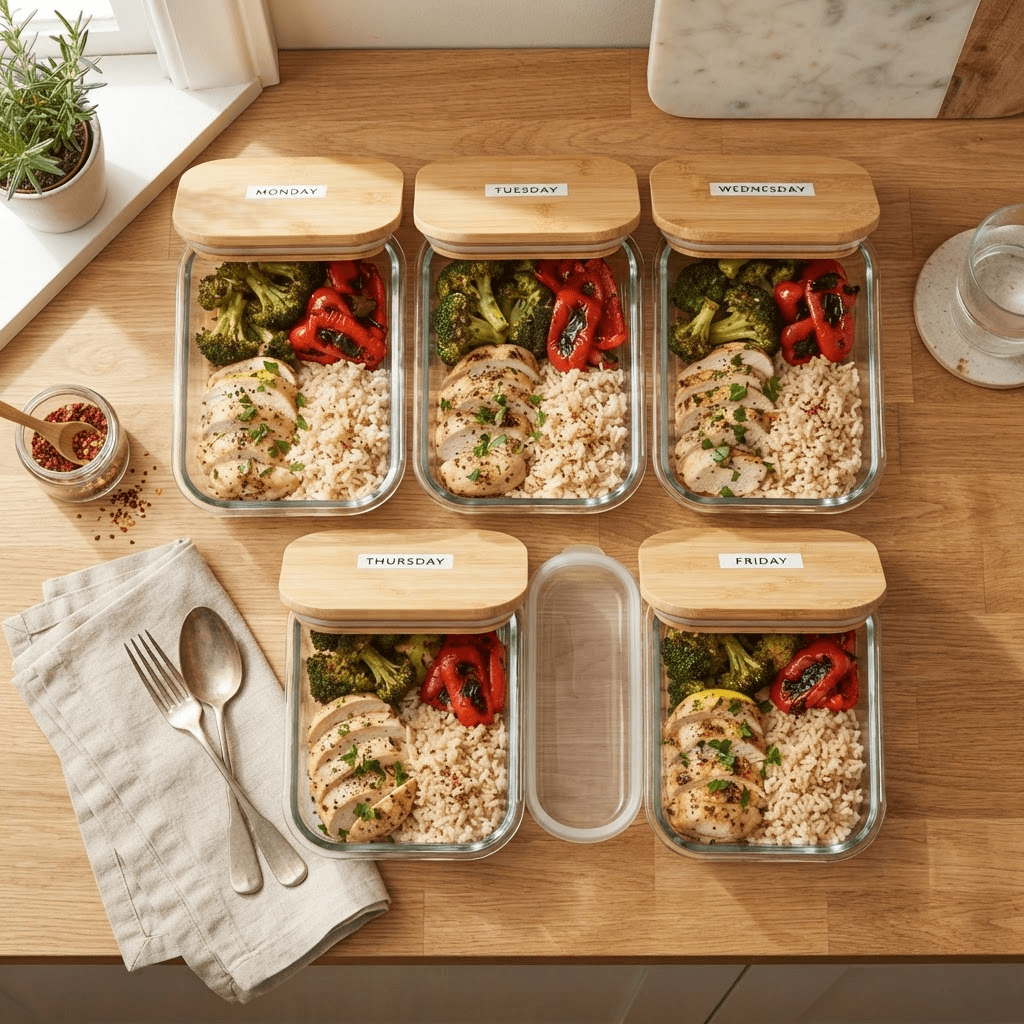
This is where egg bites earn their place over a fried-egg-every-morning routine. The active time is front-loaded into one 35-minute session, and the payoff is spread across five mornings when you have no time to think. If you are already running a Sunday cook, our two-hour meal-prep system shows how to bake these while a tray of chicken and vegetables roasts on the rack below.

Storing, freezing and reheating
Troubleshooting: fix it fast
Rubbery, bouncy texture
Cause: Oven too hot or baked too long, which over-sets the egg protein.
Fix: Drop to 325°F, use a water bath, and pull them at a slight jiggle — they finish setting as they cool.
Watery pool at the bottom
Cause: Raw high-moisture vegetables released liquid during baking.
Fix: Wilt or sauté spinach, mushrooms and tomatoes first, then squeeze or pat them dry before adding.
Bites stuck to the tin
Cause: Not enough grease, or released while still hot.
Fix: Use silicone liners or a heavy oil coat, and always cool five minutes before running a knife around each one.
Grainy, curdled look
Cause: Cottage cheese was not blended smooth or dairy was fridge-cold.
Fix: Blend a full 30–40 seconds and let eggs and cottage cheese sit at room temperature first.
Sunken, dense centres
Cause: Wells overfilled, so the puff collapsed inward.
Fix: Fill only three-quarters full and tap out air bubbles before baking.
Cooled completely and sealed airtight, the bites keep for up to four days in the refrigerator. FoodSafety.gov advises holding the fridge at 40°F (4°C) or below and not leaving cooked egg dishes at room temperature for more than two hours, so a packed breakfast wants an insulated bag with an ice pack if it is a long commute.
For longer storage, freeze them in a single layer, then transfer to a bag for up to two months. Reheat from frozen in the microwave in short 30-second bursts, or from the fridge for just 25 to 30 seconds. The one rule that never changes: reheat gently. Blasting an egg bite is the surest way to undo all the care you took to keep it tender.
Fixing the five things that go wrong
| Flavour | How to make it | Protein |
|---|---|---|
| Denver / western | Add diced ham, sautéed onion and green pepper; use cheddar in the base. | ~15 g |
| Roasted red pepper & Gruyère | Swap cheddar for Gruyère and fold in chopped jarred roasted peppers (patted dry). | ~13 g |
| Bacon & chive | Fold in cooked crumbled bacon and a heavy handful of fresh chives. | ~14 g |
| Garden veggie | Use sautéed mushroom, spinach and sun-dried tomato; skip the meat. | ~12 g |
| Southwest | Add black beans, corn, a pinch of cumin and pepper jack; top with salsa to serve. | ~13 g |
If a batch comes out less than perfect, it is almost always one of five issues — and each has a one-line fix. Keep this table handy for your first couple of bakes and you will not need it after that.
Five flavours from the same base
The custard base is deliberately neutral so it takes any direction. Keep the blend-and-bake method identical and change only the mix-ins. Total add-ins should stay around three-quarters of a cup so the bites still set properly.
A note on protein, sodium and who should be careful
At about 13 grams of protein for two bites, a serving is a solid breakfast anchor rather than a complete meal — pair it with fruit or wholegrain toast to round it out. If you are watching sodium, cut the added salt and lean on herbs, since cheese and any cured meat already contribute a fair amount. For more on building balanced plates, the Healthy Recipes collection has protein-first ideas for every meal of the day.
Eggs and dairy are common allergens, and this recipe contains both. Anyone managing high cholesterol, kidney disease or a food allergy should follow individual guidance from a clinician or registered dietitian rather than a general recipe. The nutrition figures here are educational estimates, not medical nutrition therapy.
Nutrition and food-safety references
Sources used for nutrition and storage context
These references support the general nutrition and food-safety context. They do not certify the exact nutrition of a home-prepared batch.
- FoodData Central nutrient database (cottage cheese, eggs)U.S. Department of Agriculture
- Egg and cooked-egg-dish cold storage guidanceFoodSafety.gov
- Eggs, protein and dietary cholesterolHarvard T.H. Chan School of Public Health — The Nutrition Source
Reader questions
Egg bite questions, answered before your first batch
Why are my egg bites rubbery?
Almost always heat. Baking too hot or too long over-sets the egg protein and makes it bounce. Drop the oven to 325°F, use a water bath, and pull the bites while the centres still have a slight jiggle — they finish setting as they cool.
Can I taste the cottage cheese?
No, once it is blended. Thirty to forty seconds in a blender breaks down every curd and the tang disappears into the eggs. What is left is a smooth, custardy texture and a protein boost, not a cottage cheese flavour.
How long do cottage cheese egg bites last in the fridge?
Cooled completely and stored airtight at 40°F (4°C) or below, they keep for up to four days. Reheat two bites in the microwave for just 25 to 30 seconds so they stay tender.
Can you freeze egg bites?
Yes. Freeze them in a single layer until solid, then move them to a freezer bag for up to two months. Reheat from frozen in 30-second microwave bursts until warmed through.
Do I need a sous-vide machine or Instant Pot?
No. This recipe is designed for a standard oven. Setting the muffin tin in a shallow tray of hot water mimics the gentle steam of a sous-vide setup and gives you the same silky texture with gear you already own.
Can I make egg bites without cream cheese?
That is the whole point of this version. Blended cottage cheese replaces cream cheese entirely, adding more protein and less fat while keeping the bites just as smooth and rich.