High-Protein Baked Oats: One Formula, Six Flavors, and a Breakfast That Tastes Like Cake
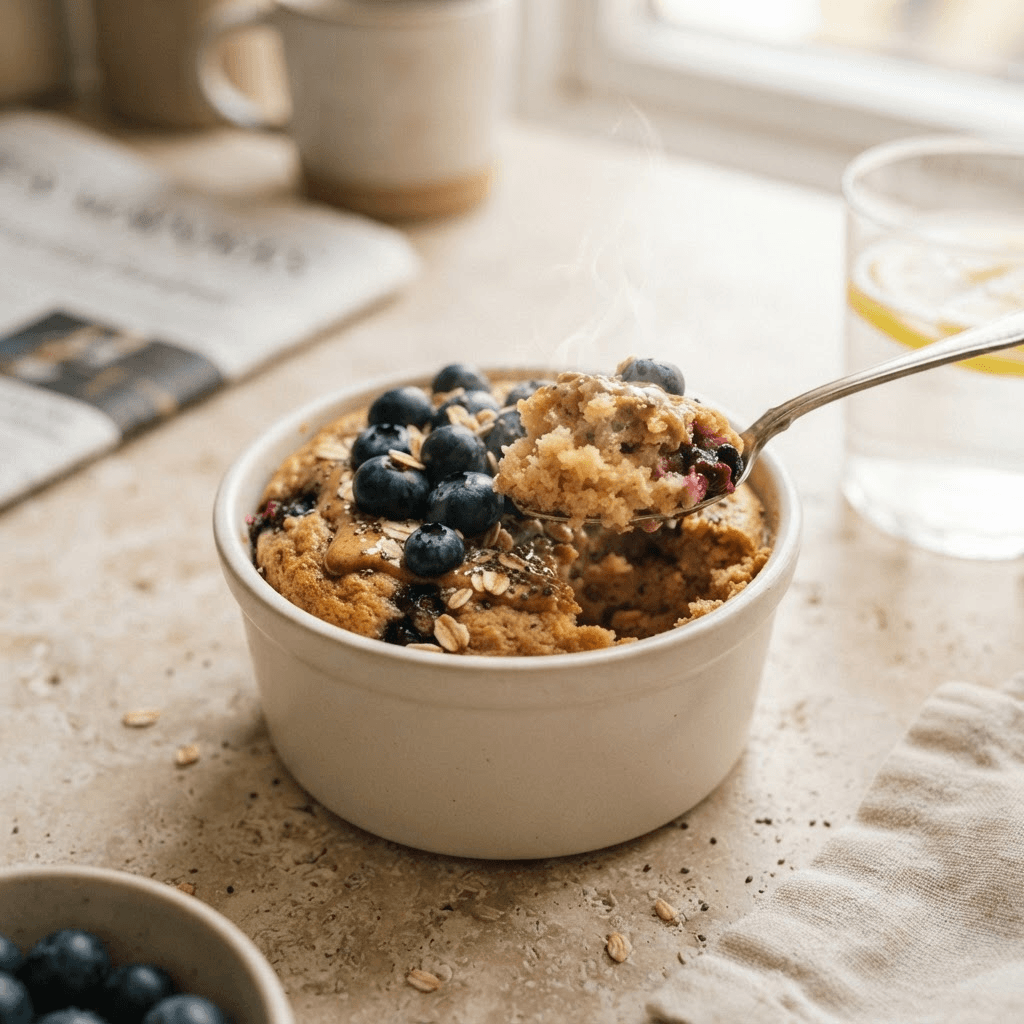
Blended baked oats went viral because they taste like a warm slice of cake you are somehow allowed to eat before work. This is the version that stopped being a treat and started being breakfast: one master formula you memorize once, near 25 grams of protein, and six flavors that all start from the same ramekin.
- Total
- 25 min
- Oven
- 350°F
- Makes
- 1 ramekin
- Protein
- ~24 g
Here is the strange, wonderful thing about baked oats: they are basically oatmeal that decided to become cake. You take the same rolled oats you would simmer into a gray weekday bowl, blend them into a batter, and bake a single portion in a ramekin. Twenty-five minutes later you pull out something warm and risen with a soft, tender crumb — and it genuinely tastes like dessert. That gap between "healthy breakfast" and "slice of cake" is exactly why the recipe went viral, and exactly why most versions online quietly forget to make it filling.
This is the version that solves that. Not a treat you make on a slow Sunday, but a real, protein-forward breakfast you can build half-asleep on a Tuesday and prep for the whole week. And instead of handing you fourteen separate recipe cards, it hands you one formula — a ratio you memorize once — plus a flavor matrix that turns that single base into six different breakfasts.
Why blended beats a bowl of oatmeal
The single decision that defines this recipe is blending. When you blitz rolled oats before they cook, you break them into a flour-like batter that behaves like cake batter in the oven: it traps air from the baking powder, sets around the egg, and rises into a soft, sliceable texture. Skip the blender and you get baked oatmeal — perfectly nice, but chewy and rustic, not cakey. Blend it, and the same ingredients transform.
The other reason to bother is staying power. A standard bowl of oats is mostly carbohydrate, which is why you are hungry again by ten. Building egg whites and Greek yogurt into the batter changes the whole equation — you are eating a breakfast anchored by protein, which is far better at keeping you full through a long morning. It sits in the same practical, keep-you-going category as the ideas in our high-protein snacks guide, just warm and in a ramekin.
The master formula: five roles, one ramekin
Every baked-oats recipe on the internet is the same five jobs wearing different outfits. Once you can name the five roles, you can build the recipe from whatever is in your kitchen, swap ingredients without fear, and troubleshoot a bad batch in seconds. Read this list once and the printed card becomes optional.
- The dry — ½ cup rolled oats, blended. This is the structure. Old-fashioned rolled oats blend best; quick oats work but bake denser; steel-cut oats do not blend smooth and are the one to avoid.
- The binder — ½ a mashed ripe banana or ¼ cup unsweetened applesauce. It holds the crumb together and brings natural sweetness so you need almost no added sugar.
- The protein — ¼ cup egg whites (or 1 whole egg) plus ¼ cup Greek yogurt. This is the upgrade that turns a treat into breakfast; together they carry most of the 20–25g of protein.
- The riser — ½ tsp baking powder. Small but non-negotiable; it is the difference between a fluffy cake and a dense hockey puck.
- The liquid — 2–4 tbsp milk of any kind, added last to loosen the batter to a thick, pourable consistency.
Notice what is not on the list: protein powder. You can absolutely add a scoop if you want to push past 30g, but the formula is designed to hit a strong protein number without it, so a chalky aftertaste never gets a say. If you do add powder, add another splash of milk to compensate, because powder drinks up moisture fast.

The five-minute method
Active time is genuinely about five minutes; the oven does the rest. The only rule that matters is the order — dry ingredients into the blender first so the oats break down before the wet stuff turns everything to soup.
- Heat the oven to 350°F (175°C) and lightly grease a 6–8 oz ramekin.
- Add the oats and baking powder to a blender and blitz for a few seconds until they look like a coarse flour.
- Add the banana, egg whites, Greek yogurt and a splash of milk. Blend until completely smooth and pourable — scrape down and add milk a tablespoon at a time if it is too thick.
- Stir in your flavor by hand (see the matrix below), reserving a few toppings for the surface.
- Pour into the ramekin, scatter the reserved toppings, and bake 22–25 minutes until the top is set and springs back.
- Let it rest 5 minutes. This is not optional — the center firms as it cools, and a 5-minute wait is the difference between gummy and set.

No blender? You can still make it. Use oat flour (or blitz the oats in a coffee grinder), mash the banana thoroughly with a fork, and whisk everything by hand. The texture is a touch more rustic but the recipe forgives you.
Oven vs microwave: pick your morning
The oven gives you the true cake texture, but on a rushed weekday the microwave is a legitimate shortcut. Here is the honest trade-off so you can choose by how much time you actually have.
| Method | Time & setting | What you get |
|---|---|---|
| Oven | 22–25 min at 350°F (175°C) | The real deal: a set, golden top and an even, cake-like crumb |
| Microwave | 2–3 min on high, 90 seconds at a time | Faster and softer, more like a warm muffin; watch closely so it does not overflow or turn rubbery |
| Air fryer | 12–15 min at 350°F (175°C) | A middle path — quicker than the oven with a nicely domed top; check early |
The two-cue test for doneness
Baked oats do not brown as dramatically as a cake, so color alone will fool you. Use two cues together instead. First, the top should spring back when you press it gently with a fingertip — if your finger leaves a wet dent, it needs a few more minutes. Second, a toothpick pushed into the center should come out clean or with a couple of moist crumbs, not wet batter.
When both cues agree, pull it. Then wait the full five minutes before your first bite. Baked oats continue setting as they cool, and the most common "my baked oats are gummy" complaint is really just impatience — the center that felt underdone at minute zero is perfect by minute five.

Six flavors from one base
This is where the formula pays off. The ratio never changes — you only swap the flavor layer. Stir the mix-ins into the batter, save a few for the top, and you have a completely different breakfast without relearning a single measurement. Here are six that work every time; treat them as a starting grid, not a limit.
| Flavor | Stir into the batter | Finish on top |
|---|---|---|
| Double chocolate | 1 tbsp cocoa powder + a splash more milk | A few dark chocolate chips |
| Blueberry muffin | ½ tsp vanilla + a handful of blueberries | More blueberries + a little lemon zest |
| Apple cinnamon | ½ tsp cinnamon + diced apple (use applesauce as the binder) | Apple slices + a pinch of cinnamon sugar |
| Peanut butter | 1 tbsp peanut butter blended in | A warm peanut butter swirl |
| Carrot cake | ¼ cup grated carrot + cinnamon + nutmeg | Chopped walnuts + a dab of Greek yogurt "frosting" |
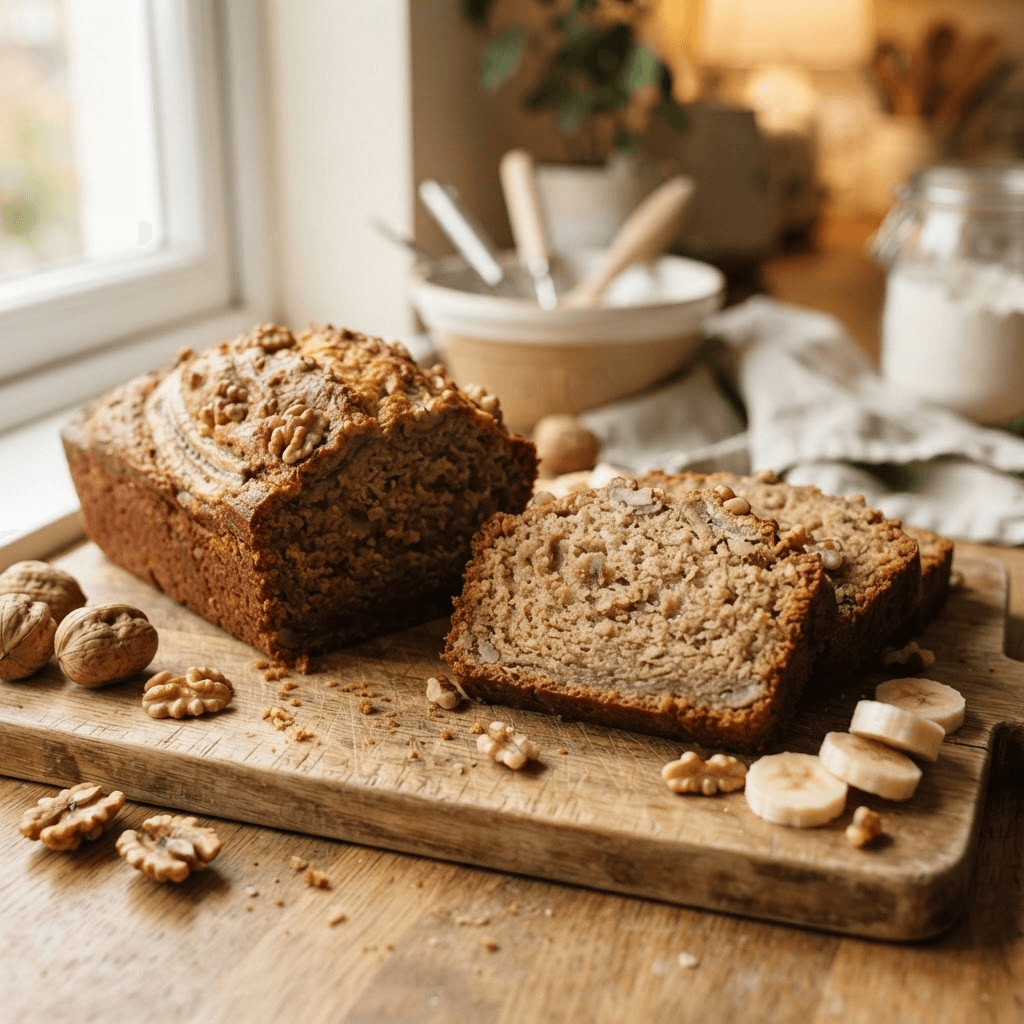
| Banana bread | Use the whole banana + a pinch of cinnamon | Banana coins + a few chopped pecans |
Learn the ratio, not the recipes. Once the base is muscle memory, a new flavor is a five-second decision at the counter, not another card to find.

Fix a bad batch
Baked oats rarely fail outright, but three things go slightly wrong the first time or two. Each has a one-line cause and a one-line fix, so you can diagnose in the moment instead of giving up on the recipe.
| Problem | Most likely cause | The fix next time |
|---|---|---|
| Gummy or wet center | Underbaked, or too much liquid | Bake 3–5 min longer and rest 5 min; cut the milk back by a tablespoon |
| Dry and dense | Too much oat, or no riser | Measure oats level, never heaped, and do not skip the baking powder |
| Sunken middle | Opened the oven early, or old baking powder | Leave the door shut until minute 20, and check your baking powder is fresh |
Turn it into a week of breakfasts
A single ramekin is the gateway; the batch is the payoff. Baked oats keep and reheat better than almost any other hot breakfast, which makes them ideal for the same make-ahead rhythm as our high-protein meal-prep system. Scale the formula up, bake it in a muffin tin or a small dish, and portion it out.
- Batch it — multiply the formula by four or six and bake in a muffin tin (18–20 min) or one 8x8 dish (30–35 min), then cut into portions.
- Fridge — store portions in airtight containers for up to 4 days. They firm up cold and reheat beautifully.
- Freezer — freeze cooled portions for up to 2 months; thaw overnight or reheat from frozen.
- Reheat — 30–45 seconds in the microwave, or a few minutes in a warm oven, with a tiny splash of milk if you like it softer.
- Top fresh — add fruit, yogurt or nut butter the morning you eat, not before, so nothing goes soggy in the fridge.

Is it actually healthy? A straight answer
Yes — with the same caveat as any baked good: it depends on what you stir in. The bones of the recipe are genuinely nourishing. Oats are a well-studied source of soluble fiber, particularly beta-glucan, which is linked to healthier cholesterol and steadier blood sugar; that is the same fiber logic behind our high-fiber foods guide. The egg whites and Greek yogurt supply the protein that makes one ramekin actually hold you until lunch.
The number worth watching is added sugar. A ripe banana plus a berry topping is usually all the sweetness this needs, so treat syrup, chocolate chips and cinnamon sugar as accents rather than the main event. Lean on the naturally sweet binder, keep the protein layer intact, and baked oats sit comfortably in the everyday-breakfast column rather than the dessert one. For a cold, no-oven counterpart on hot mornings, our high-protein overnight oats run on the same protein-first thinking.
Sources for the nutrition context
These public-health and research sources support the guidance on oats, fiber, protein and everyday healthy eating.
- Whole grains, oats and beta-glucan for heart healthHarvard T.H. Chan School of Public Health
- Dietary fiber: how much you need and why it mattersMayo Clinic
- Protein in the diet and satietyMedlinePlus (U.S. National Library of Medicine)
Change the flavor, never the ratio
One base, six cakes
- Double chocolateCocoa + dark chips
- Blueberry muffinVanilla + berries
- Apple cinnamonApplesauce + cinnamon
- Peanut butterA blended-in swirl
- Carrot cakeGrated carrot + walnuts
- Banana breadWhole banana + pecans
Stir the flavor into the batter, save a little for the top, and the measurements never move.
Pin it to the cupboard
The recipe, in five lines
- Baked oats are blended oats — that is the whole trick. Blending turns rolled oats into a batter that bakes up soft and cake-like instead of a bowl of porridge.
- The master formula is one dry, one binder, one protein, one riser, one liquid. Learn those five roles and you never need a printed card again.
- You can clear 20–25g of protein per serving from egg whites, Greek yogurt and the oats themselves — no protein powder required.
- One base makes six flavors: change the flavor layer only, and the ratio never moves.
- A gummy center almost always means underbaked or too much liquid — not a broken recipe.
Kitchen questions
The questions people ask before their first ramekin
Do I have to blend the oats?
For the signature cake-like texture, yes — blending is the whole point. It turns rolled oats into a batter that rises and sets soft instead of chewy. If you have no blender, use oat flour or grind the oats in a coffee grinder and whisk everything by hand; the result is a little more rustic but still works.
Can I make baked oats without banana?
Absolutely. Swap the half banana for ¼ cup unsweetened applesauce, mashed cooked sweet potato, or pumpkin puree. All of them do the binder job and add natural sweetness. If you use a less-sweet binder, you may want a teaspoon of maple syrup or a pinch more of your flavor layer.
How do I get more protein without protein powder?
The formula already leans on egg whites and Greek yogurt, which together carry most of the 20–25g. To push higher, use a whole egg plus extra egg whites, choose a high-protein Greek yogurt, or stir in a spoon of cottage cheese. A scoop of protein powder is optional — if you add it, add a splash more milk since powder absorbs moisture.
Why did my baked oats turn out gummy?
Almost always underbaking or too much liquid. Bake until the top springs back and a toothpick comes out clean, then rest a full five minutes so the center finishes setting as it cools. If it is still wet next time, cut the milk back by a tablespoon.
Can I make baked oats in the microwave?
Yes. Use a mug or ramekin at least twice as tall as the batter, and cook in 90-second bursts for 2–3 minutes total, stopping when the center looks just set. The texture is softer and more muffin-like than the oven version, but it is a genuinely fast weekday option.
How long do baked oats keep, and can I freeze them?
Cooled portions keep in the fridge for up to 4 days and freeze well for up to 2 months. Reheat in the microwave for 30–45 seconds with a small splash of milk, and add any fresh fruit or yogurt toppings the morning you eat rather than before storing.