High-Protein Meal Prep for Busy Weeknights: The 2-Hour Sunday System
One two-hour session on Sunday can hand you ten protein-rich dinners you actually want to eat. Here is the mix-and-match system, the cook order and the storage rules that make it hold up all week.
- Total time
- 2 hours
- Makes
- 10 meals
- Protein / bowl
- 35-45 g
- Cost / meal
- about $3.20
It is 6:40 on a Wednesday. You are tired, mildly irritated, and standing in front of an open refrigerator with no plan and no patience. This is the exact moment healthy-eating intentions quietly fall apart — not because anyone lacks willpower, but because cooking from scratch after a long day is a big ask. Meal prep works because it moves that decision to a calmer moment, once, on your terms.
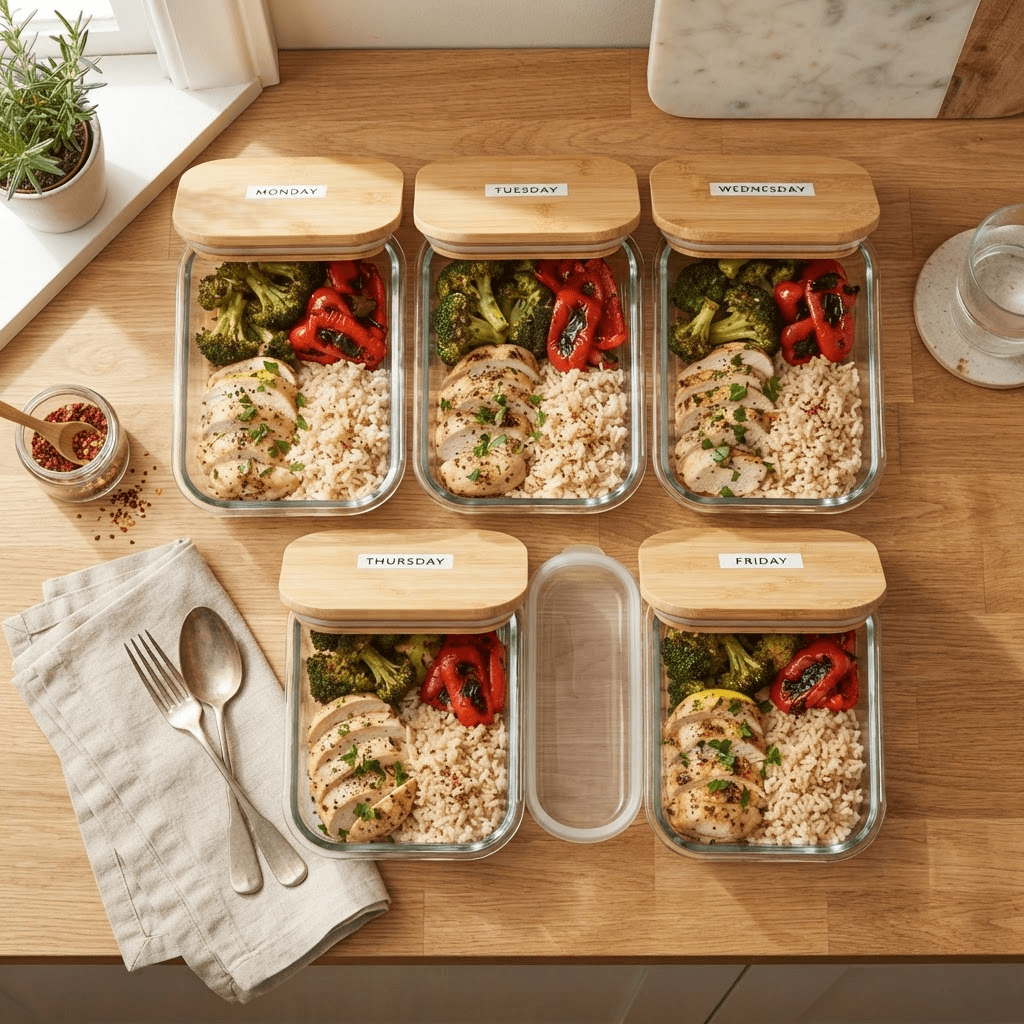
This guide is not a single recipe. It is a repeatable system: two focused hours on a Sunday, one protein, one base and a handful of vegetables, assembled into roughly ten meals that each land somewhere around 35 to 45 grams of protein. You never cook the same bowl five times. You cook components once and combine them differently all week.
Why a system beats a stack of recipes
Most meal-prep plans fail for the same three reasons, and a component system quietly solves all of them. First, boredom: eating the identical dish ten times in a row is punishment, not planning. Second, decision fatigue: deciding what to eat every evening is its own small tax. Third, waste: buying niche ingredients for five different recipes leaves half of them rotting in the drawer.
Anchoring each meal around protein is deliberate. Protein is the most satiating macronutrient, and spreading it across the day — rather than piling it into one dinner — helps most people feel full for longer. The U.S. Dietary Guidelines frame protein foods as one building block of a balanced plate alongside vegetables and whole grains, which is exactly what a bowl format makes easy to hit. Every recipe in our Healthy Recipes collection is built around that same idea.

The two-hour Sunday timeline
The order matters more than the recipes. Start the slowest, most hands-off task first — roasting — then layer the grains and sauces into the gaps while the oven does the work. The timeline below is the exact sequence the test kitchen follows; treat the clock as a guide, not a stopwatch.
Follow the clock
Two hours, start to fridge
- 0:00
Oven on, water on
Heat the oven to 425°F (220°C). Put a large pot of salted water on high for the grains. Line two sheet pans while everything comes up to temperature.
- 0:10
Season and roast the protein
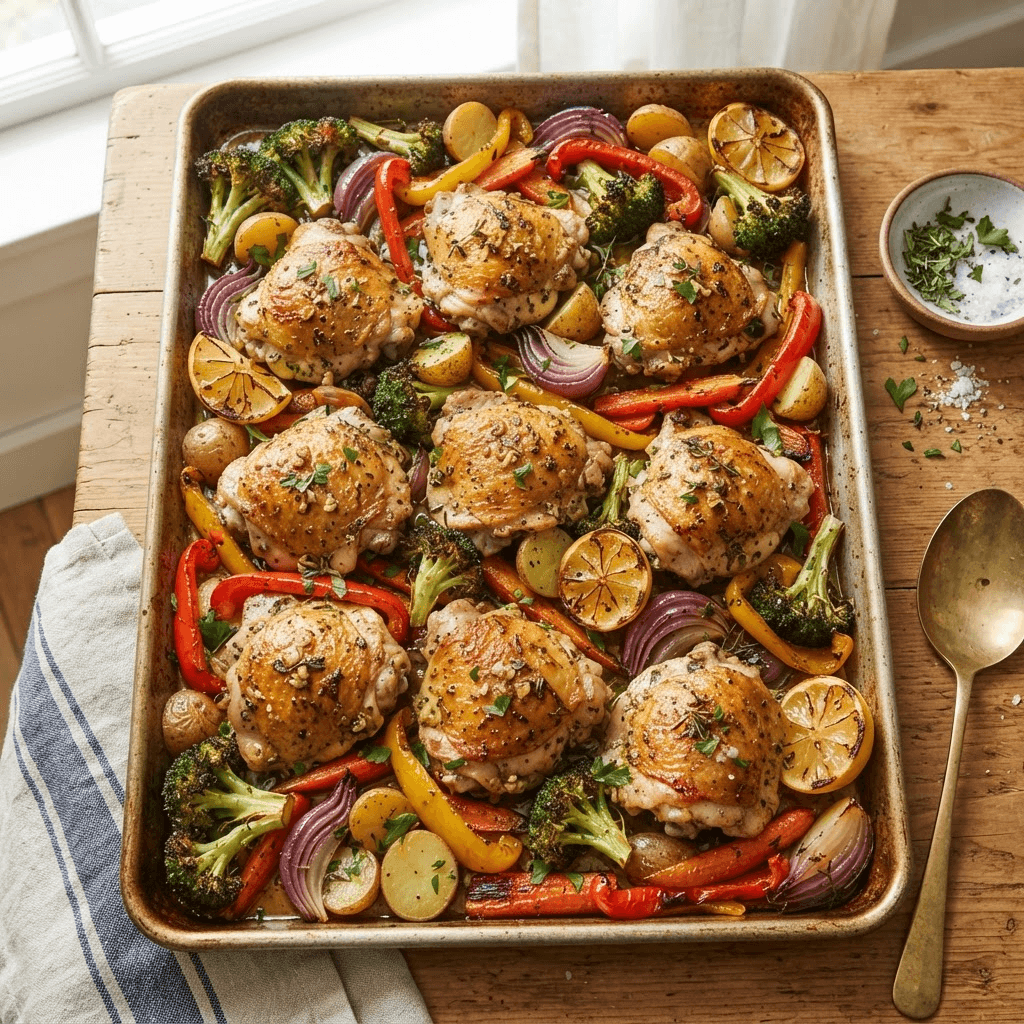
Spread chicken thighs on one pan, tofu or a second protein on the other half. Season, then roast. This is the longest unattended block, so start it first.
- 0:25
Roast the vegetables
Toss two or three vegetables in oil and salt, slide them onto the second pan and into the oven. Firm vegetables like sweet potato go in first, quick ones like zucchini go in later.
- 0:35
Cook the grains
Simmer rice or quinoa while the oven works. Cook a little extra; cold grains reheat better than freshly steamed ones and hold their shape in a container.
- 1:05
Mix the sauces
Stir together one or two sauces in jars. Sauce is what stops five identical bowls from becoming boring by Wednesday, so make more than you think you need.
- 1:20
Cool, then portion
Let everything steam off for 10 minutes so lids do not trap condensation. Portion protein, base and vegetables into containers, keeping sauce and any crunchy topping separate.
- 1:45
Label, chill, done
Date each lid, refrigerate promptly and get the last two portions into the freezer if you know you will not reach them within four days.
The bowl formula: build, do not repeat
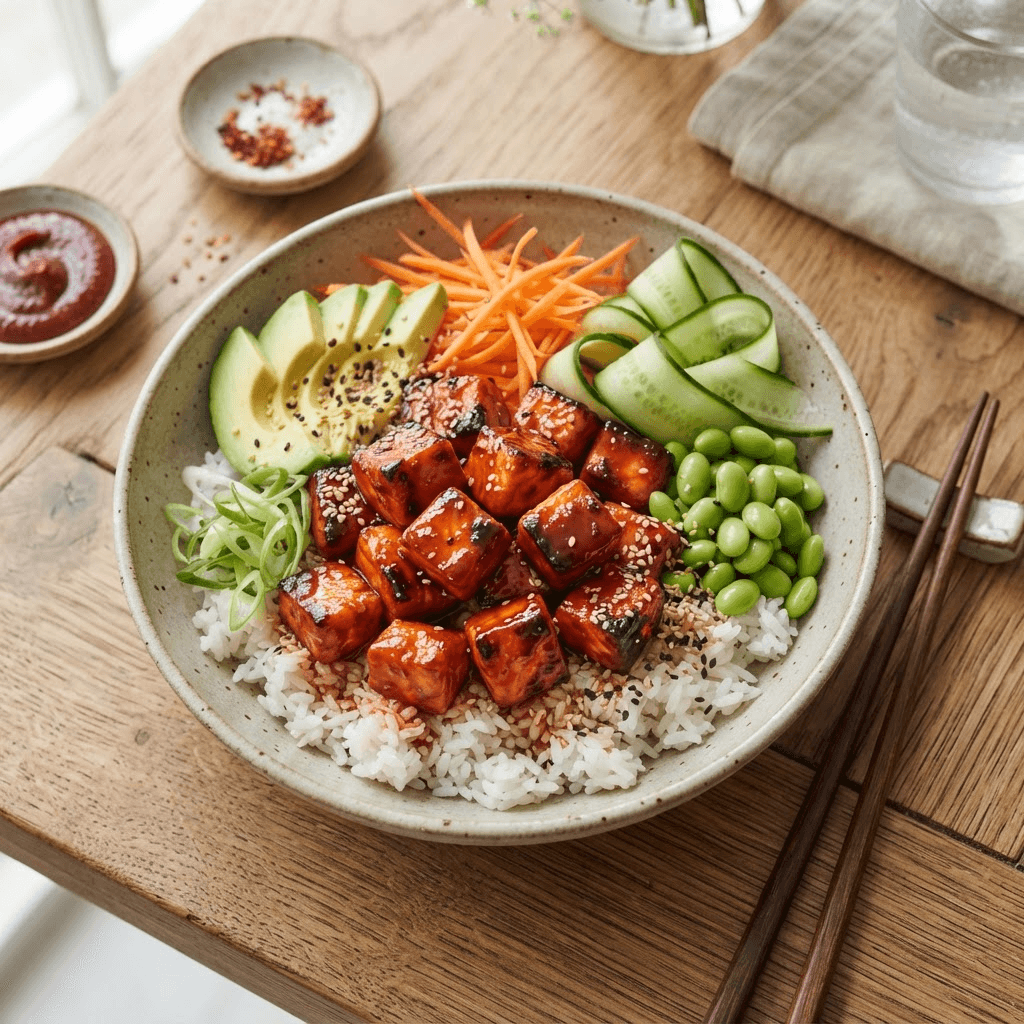
Here is the part that keeps the week interesting. Instead of five copies of one meal, you keep four component groups on hand and combine them. Pick one from each column, and the same fridge produces a lemon-tahini chicken and quinoa bowl on Monday and a soy-ginger tofu and rice bowl on Thursday — no extra cooking required.
Pick one from each column
Pick a protein
Aim for a palm-sized portion, ~30-40 g
- Roasted chicken thighs or breast
- Baked tofu or tempeh
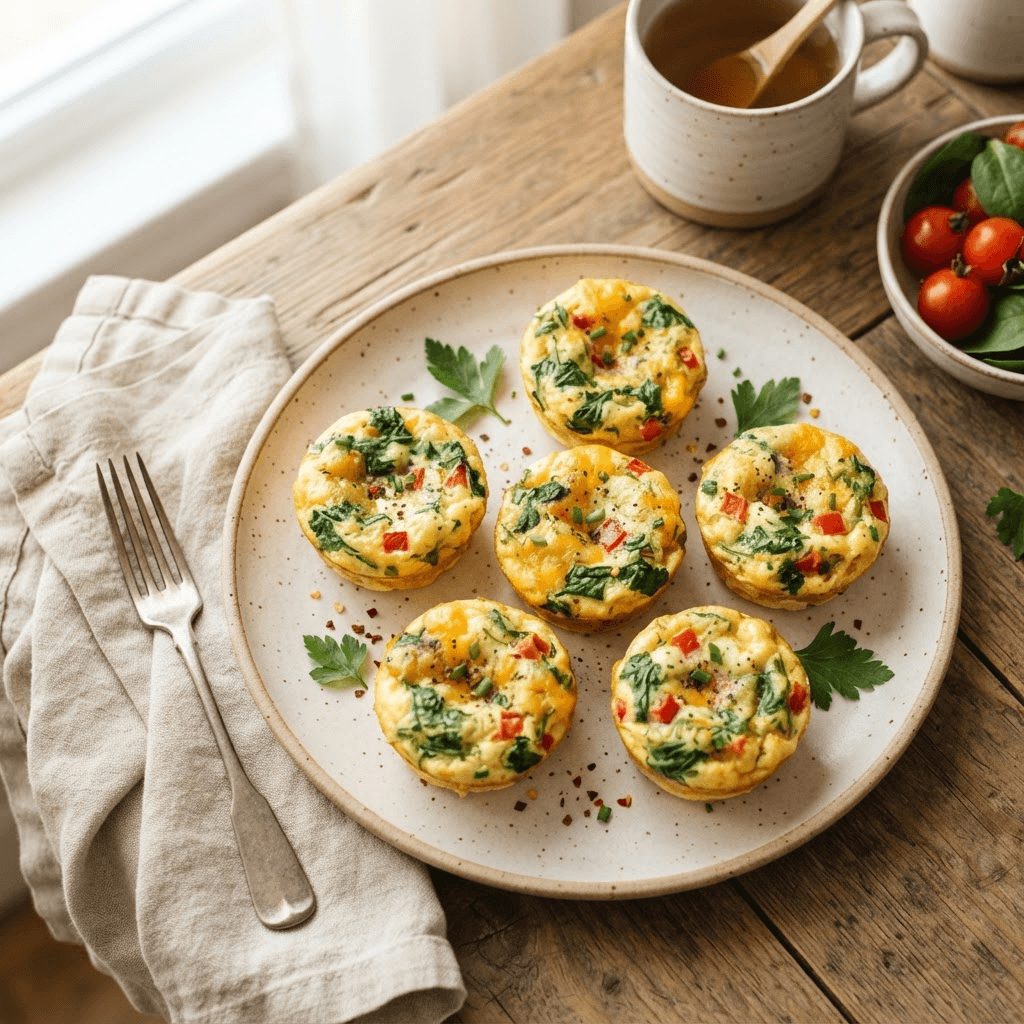
- Hard-boiled or baked eggs
- Canned salmon or tuna
- Seasoned lean ground turkey
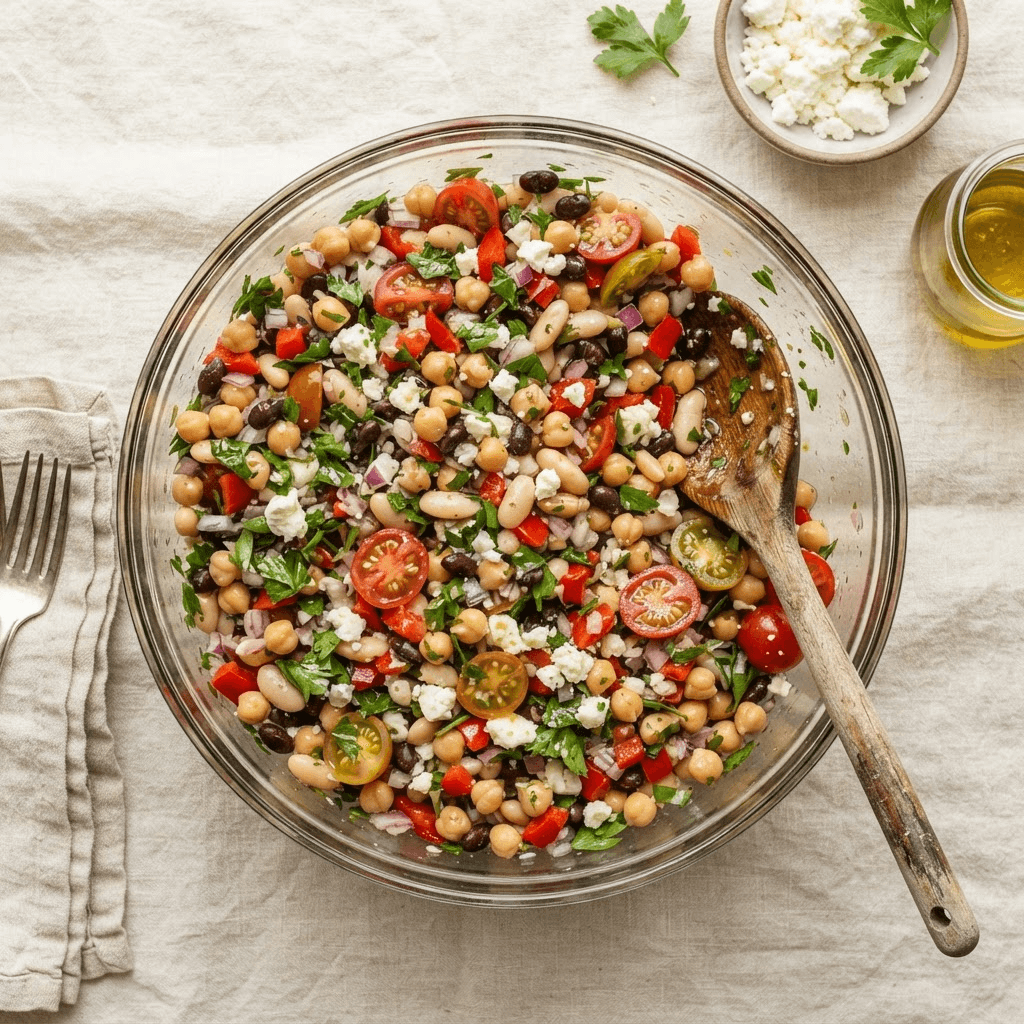
- Cooked lentils or black beans
Add a base
About one cupped handful, cooked
- Brown rice
- Quinoa
- Whole-wheat couscous
- Roasted potatoes
- Farro or barley
- Extra greens for a lighter bowl
Load the vegetables
Half the container, mix colours
- Broccoli or cauliflower
- Bell peppers and red onion
- Roasted carrots or squash
- Zucchini or green beans
- Cherry tomatoes and cucumber (raw)
- Baby spinach stirred in warm
Finish with sauce
Stored separately, 1-2 tbsp
- Lemon-tahini
- Greek yogurt and herb
- Soy, ginger and sesame
- Salsa or pico de gallo
- Pesto thinned with lemon
- Hot sauce and lime


The batch-cook order that saves the most time
If you only remember one thing, remember this sequence. It keeps the oven full and your hands free.
- Preheat the oven and start the grain water before you touch an ingredient. Cold starts waste ten minutes.
- Roast proteins and firm vegetables first, since they take longest and need no attention once they are in.
- Cook grains in the middle window; make extra, because cooled grains reheat better than fresh ones.
- Add quick-cooking vegetables to the oven late so they do not turn to mush.
- Mix sauces last while everything cools, then portion from cool components into containers.
Storage, shelf life and the safety line that matters
Cooling is the step people rush. Let hot food give off steam for about ten minutes before you seal a lid, otherwise trapped condensation turns rice gummy and shortens shelf life. Then refrigerate promptly and keep the fridge at 40°F (4°C) or below.
For refrigerated cooked meals, FoodSafety.gov generally uses a three-to-four-day window. Our conservative recommendation is to plan four fridge portions and freeze the rest on day one, rather than gambling on a Friday lunch that has been sitting since Sunday.
| Component | Fridge | Freezer | Note |
|---|---|---|---|
| Roasted chicken | 3-4 days | 2-3 months | Slice before freezing for faster thawing |
| Cooked rice or quinoa | 3-4 days | 1-2 months | Cool quickly; reheat with a splash of water |
| Roasted vegetables | 3-4 days | Not ideal | They soften once thawed; eat fresh |
| Baked tofu | 4-5 days | 2-3 months | Firms up nicely; great from frozen |
| Sauces (stored apart) | 5-7 days | Varies | Yogurt-based sauces keep shortest |

What ten high-protein meals actually cost
Meal prep is often sold as a money-saver, and it genuinely can be, but only if you shop around cheaper proteins and in-season vegetables. The numbers below are a realistic mid-range estimate for a single ten-meal batch; your local prices will shift them, but the ratio holds: protein is the biggest line, and it still lands near the price of a single takeout order.
| Item | Rough cost | Covers |
|---|---|---|
| Chicken thighs + block of tofu | $12 | All ten protein portions |
| Brown rice and quinoa | $4 | Every base |
| Mixed vegetables | $9 | Half of every container |
| Oil, sauce and seasoning | $3 | Flavour for the week |
| Total | about $28 | ≈ $2.80-$3.20 per meal |

Making the system fit your actual week
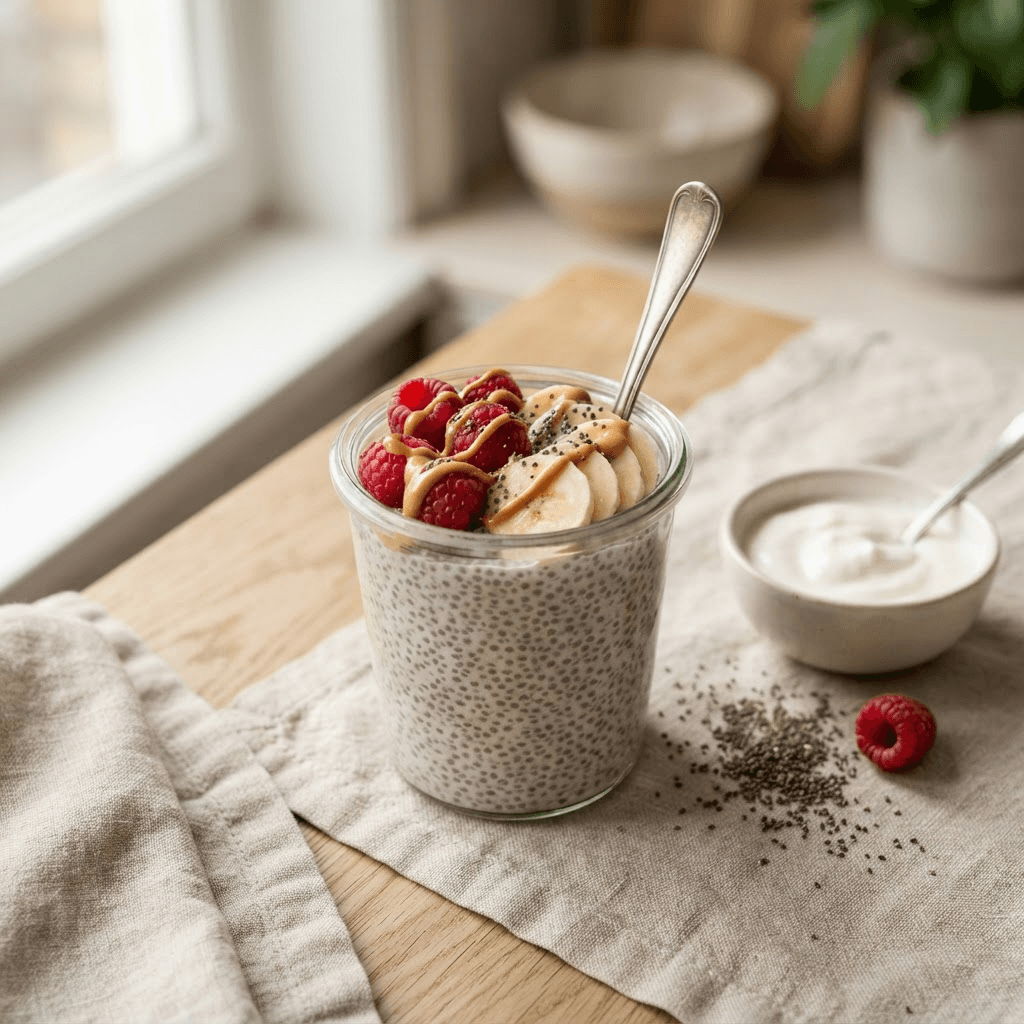
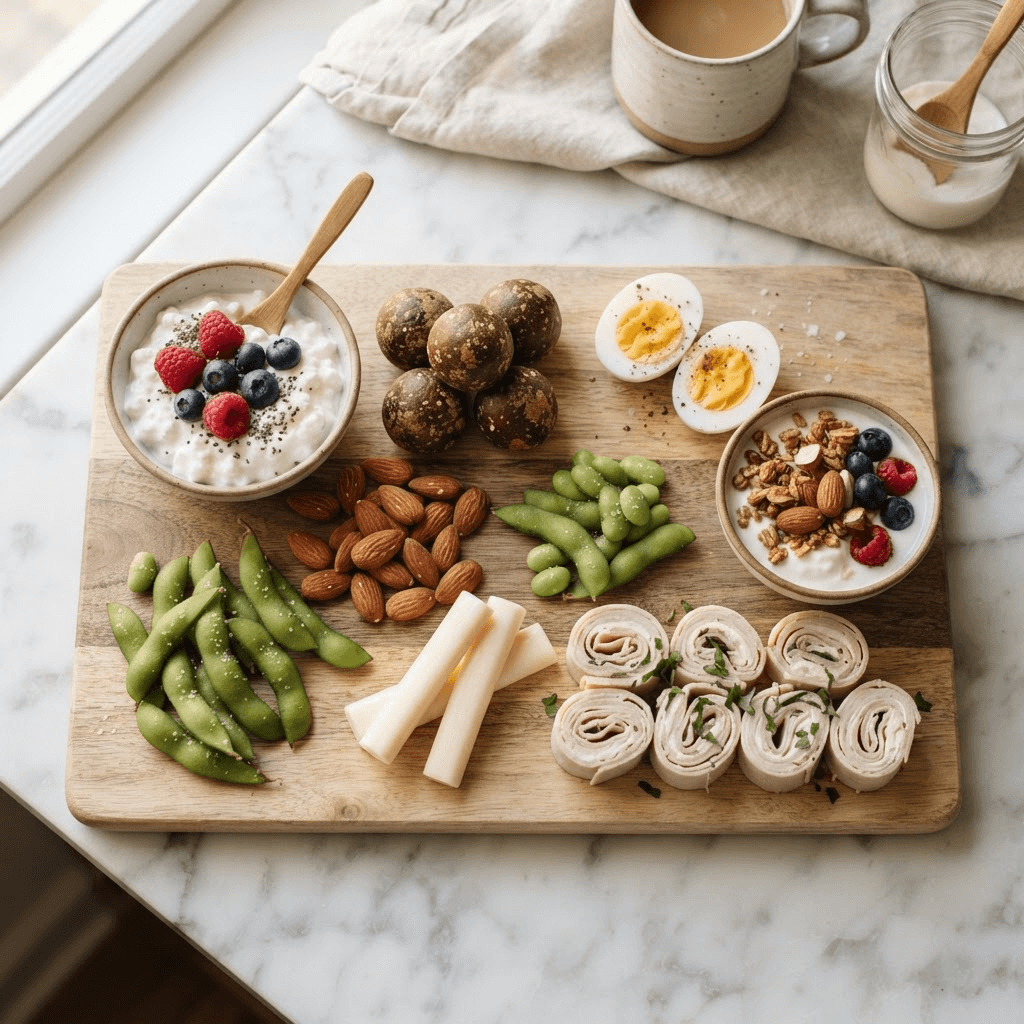
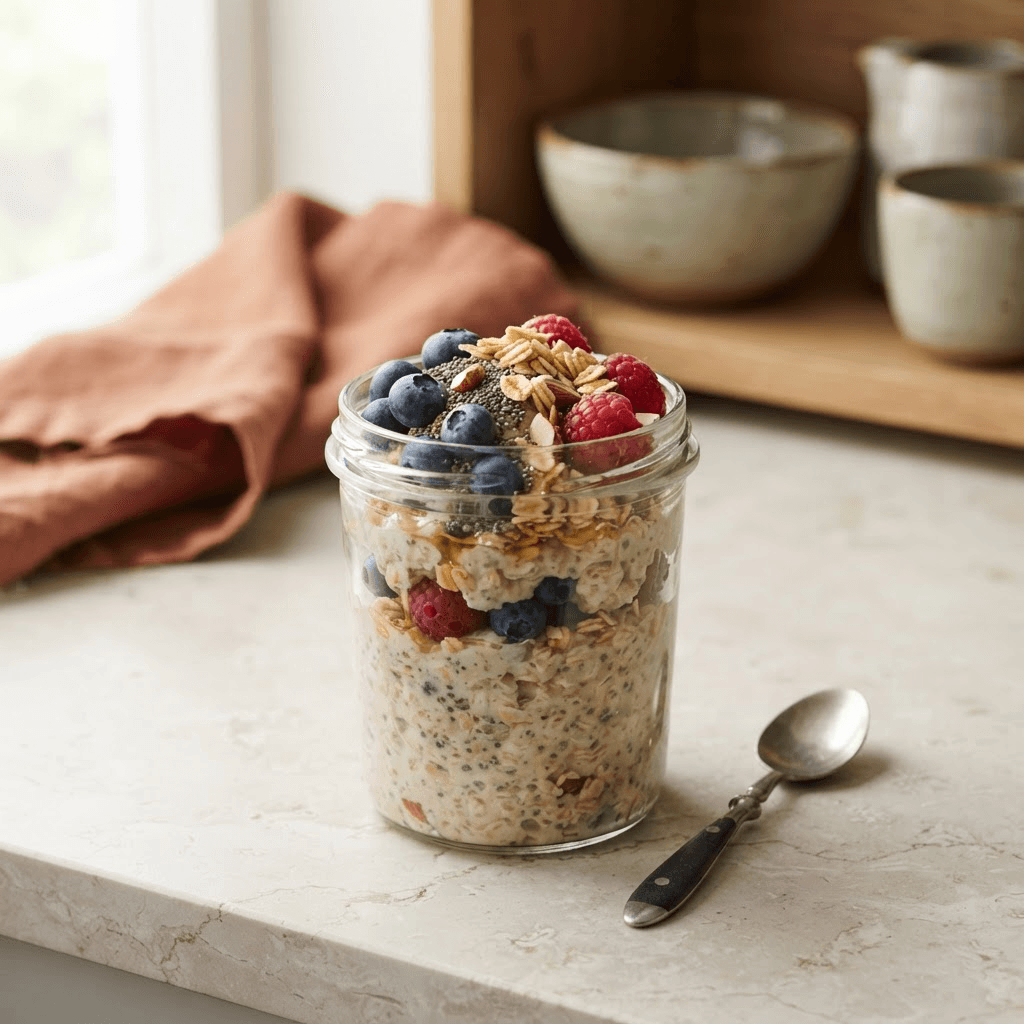
If two full hours is too much, start with a half batch of five meals and one protein. If you are plant-based, lean on tofu, tempeh, lentils and edamame and pair them so the amino acid profile is more complete across the day. If you train hard, add a second base or a boiled egg on the side rather than doubling the sauce. And if breakfast is the meal that keeps slipping, our high-protein overnight oats prep in the same Sunday session and need no cooking at all. The framework flexes; the only fixed rules are cook by component and respect the storage window.
One more practical note. This is general food guidance, not personalised nutrition. If you manage a condition such as diabetes or kidney disease, are pregnant, or have specific protein targets from a clinician, use their advice to set your portions rather than a one-size number in a recipe.
Sources for storage and nutrition context
References used for food-safety and nutrition context
These public sources support the general storage and nutrition guidance here. They do not certify the exact nutrition of a home-prepared bowl.
- Cold food storage chartFoodSafety.gov
- Dietary Guidelines for AmericansU.S. Departments of Agriculture and Health and Human Services
- Protein in the dietHarvard T.H. Chan School of Public Health — The Nutrition Source
Reader questions
Quick answers before your first prep day
How long does high-protein meal prep last in the fridge?
Plan on three to four days for refrigerated cooked meals kept at 40°F (4°C) or below. If you are prepping a full week, freeze the later portions on the first day and thaw them the night before you want them.
Can I really get 35 to 45 grams of protein per bowl without powder?
Yes. A palm-sized portion of chicken, tofu, turkey or a fish-and-egg combination, plus the protein in grains and legumes, gets most bowls into that range. Exact amounts depend on your portions and the specific foods you choose.
What are the best containers for meal prep?
Glass containers with tight, leak-resistant lids are the most durable and reheat safely. Small separate cups or jars for sauce are the single upgrade that keeps bowls from going soggy by midweek.
How do I keep five days of the same food from getting boring?
Do not eat the same food five days running. Use the bowl formula: keep one protein, one base and a few vegetables, then rotate the sauce. A different sauce genuinely changes the meal without any extra cooking.
Is meal prep actually cheaper than buying lunch?
Usually, yes, if you build around affordable proteins and in-season vegetables. A ten-meal batch often lands near the price of one or two takeout meals, which is roughly three dollars a serving in the example above.
Can I meal prep if I am vegetarian or vegan?
Absolutely. Swap the animal protein for tofu, tempeh, lentils, chickpeas or edamame, and combine different plant proteins across the day so your intake is more complete. The timeline and formula do not change.