Foods That Stabilize Blood Sugar: What a Steadier Day of Eating Looks Like
The search for a blood-sugar-friendly meal often begins with what to remove. A more useful story begins with what belongs together on the plate.
At a glance
- No single food can freeze blood glucose at one level; the combination, portion and personal context matter.
- Pairing carbohydrate with protein, fiber and unsaturated fat generally creates a more substantial, slower-digesting meal.
- Beans, intact whole grains, vegetables and whole fruit offer carbohydrate with useful fiber and nutrients.
- A balanced plate is a flexible visual cue, not a rigid prescription or a substitute for individualized diabetes care.
- People using insulin or glucose-lowering medication should coordinate major diet changes with their clinical team.
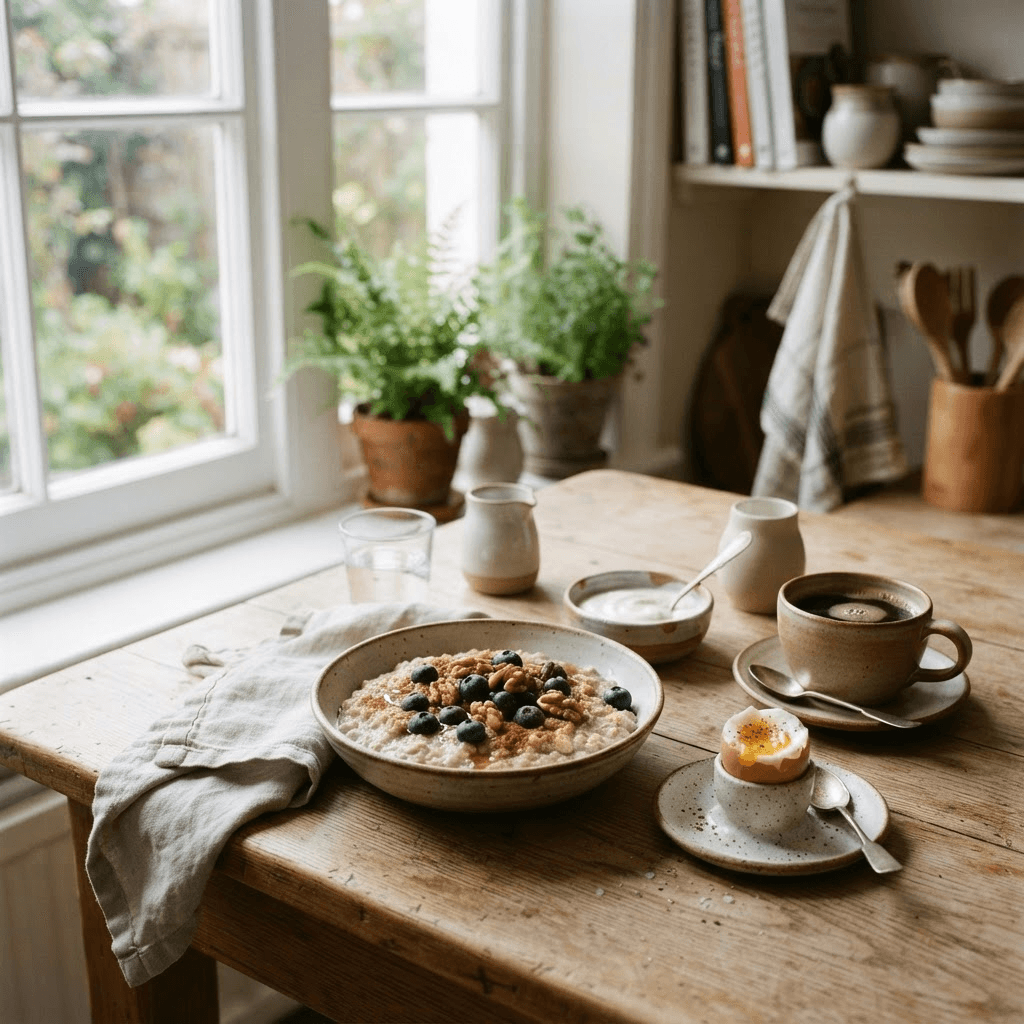
At 7:18 on a weekday morning, the kitchen offers two versions of “quick.” One is a sweet coffee swallowed on the way out. The other takes perhaps four extra minutes: yesterday’s oats reheated with milk, blueberries tipped from the freezer, walnuts cracked over the top and an egg already waiting in the refrigerator. Neither breakfast is morally superior. But they are likely to carry the morning differently.
That small difference is where the conversation about foods that stabilize blood sugar becomes useful. Not in a blacklist of bananas or bread, and not in the promise that cinnamon will flatten every glucose curve. The real work happens when carbohydrate arrives with company—fiber, protein, fat, water and enough food to make a meal feel finished.
A steadier plate is rarely built around one heroic ingredient. It is built through companionship: beans with rice, fruit with yogurt, bread with eggs, pasta with vegetables and protein.
First, retire the idea of a perfectly flat line
Blood glucose normally rises after eating, particularly after carbohydrate. The goal is not to prevent any movement. For most people asking how to keep blood sugar steady, the practical aim is a nourishing pattern without dramatic swings in hunger and energy—and, for those monitoring glucose, a plan aligned with targets set by their healthcare team.
Carbohydrate is not a single substance wearing one disguise. A glass of soda, a bowl of lentils, an apple and brown rice all provide carbohydrate, but their structures and nutritional packages differ. Fiber slows digestion, intact foods take work to chew, and protein and fat can slow how quickly a mixed meal leaves the stomach. Portion still matters. So do the foods eaten alongside it.
The American Diabetes Association’s plate method translates that complexity into a visual: roughly half a plate of non-starchy vegetables, one quarter protein and one quarter quality carbohydrate, with water or another unsweetened drink. It is not biochemical law. It is a starting sketch that can survive a busy Tuesday.
Breakfast, 7:18 a.m.: make the carbohydrate less lonely
Return to the oatmeal. Oats contain beta-glucan, a soluble fiber, while berries add more fiber and volume. Walnuts contribute unsaturated fat; yogurt or an egg adds protein. The bowl still contains carbohydrate. It is simply a fuller nutritional proposition than oats sweetened heavily and eaten alone.
Toast can tell the same story. Choose a higher-fiber loaf when available, then add scrambled egg, cottage cheese, peanut butter or mashed beans. Put fruit beside it rather than drinking juice. Whole fruit keeps its fiber and usually takes longer to consume. If a favorite breakfast cereal is staying, combine a smaller serving with plain yogurt, nuts and berries instead of treating the cereal box as the entire meal plan.
| The rushed option | Build it into a meal | What the addition brings |
|---|---|---|
| Toast | Whole-grain toast + eggs + tomato | Protein, fiber and volume |
| Oatmeal | Oats + plain yogurt + berries + walnuts | Protein, fiber and unsaturated fat |
| Banana | Banana + peanut butter + milk or soy drink | Protein and fat alongside fruit |
| Cereal | Higher-fiber cereal + yogurt + nuts | More fiber, protein and staying power |
Lunch, 12:42 p.m.: the sandwich is not the villain
By lunchtime, nutrition advice often collapses into prohibition: no bread, no potatoes, no rice. Yet a sandwich can be a sensible blood sugar friendly meal when its architecture is sound. Whole-grain bread supplies the carbohydrate; chicken, tuna, egg, tofu or hummus supplies protein; a generous layer of greens, tomato, peppers or cucumber adds texture and produce. Soup, fruit or raw vegetables can turn it from an object held in one hand into lunch.

Lentil soup is particularly efficient: legumes bring carbohydrate, plant protein and fiber in the same spoonful. A baked potato can work similarly when topped with beans or cottage cheese and served with vegetables. Rice can remain on the plate beside tofu and greens. Rather than asking whether a carbohydrate is “allowed,” ask what accompanies it and how much space it occupies.
The 3:37 p.m. decision: snack, or merely pause?
A snack is useful when hunger is real, dinner is distant or a medical plan calls for one. It is less useful when eaten automatically because the clock struck three. Start with the question that snack marketing avoids: am I hungry? If yes, pairing a fiber-rich carbohydrate with protein or fat often makes a modest snack more satisfying.

- Pear or apple with peanut butter.
- Plain yogurt with berries and seeds.
- Carrots and peppers with hummus.
- Whole-grain crackers with tuna or cheese.
- A small handful of nuts with a piece of fruit.
“Low sugar” on the front of a package does not automatically make a snack filling. Read beyond the slogan: serving size, total carbohydrate, fiber, protein and added sugars provide more context. The guide to reading nutrition labels explains how to compare products without becoming trapped by front-of-pack claims.
Dinner, 6:56 p.m.: use the plate as an editing tool
Dinner is where the plate method stops being an infographic and becomes a useful act of editing. Put roasted broccoli and peppers across roughly half the surface. Add salmon, chicken, tofu or beans to a quarter. Let farro, brown rice, corn, potato or pasta take the remaining quarter. Add olive oil, herbs, yogurt sauce or avocado for pleasure and flavor. The divisions need not be measured with a ruler.

Mixed dishes can follow the same logic. Add extra vegetables and beans to chili. Serve curry with a measured portion of rice and a vegetable side. Build pasta sauce with lentils, ground turkey or seafood and vegetables, then let the pasta be one part of dinner rather than the only part. Our Mediterranean diet meal plan offers more combinations built around vegetables, legumes, whole grains, fish and olive oil.
The grocery basket behind a steadier week
A blood-sugar-friendly grocery trip need not begin in a supplement aisle. Its useful items are almost aggressively ordinary: canned beans, eggs, oats, frozen vegetables, plain yogurt, whole-grain bread, apples, peanut butter, tinned fish and whichever fresh produce is affordable. Frozen berries do not become nutritionally inferior because they lack a farmers-market backstory.

Choose two dependable proteins, two high-fiber carbohydrates, several vegetables, two fruits and one or two flavor-makers. That might mean eggs and canned salmon; oats and beans; frozen broccoli, carrots and salad greens; apples and berries; olive oil and salsa. The list is deliberately compact. Buying aspirational food that spoils unopened does not improve anybody’s diet.
Where the neat story becomes personal
Two people can eat the same bowl and see different glucose responses. Sleep, stress, recent movement, menstrual cycle, illness, medication and the previous meal can all influence the result. Someone with diabetes who checks glucose can use clinician-approved monitoring to notice patterns rather than judge a food after one reading. Someone without diabetes does not need to chase a perfectly flat consumer-sensor graph to earn lunch.
Meal order and a short walk after eating may affect post-meal glucose for some people, but these are supporting details, not permission to ignore overall diet or prescribed care. Start with the durable basics: regular meals that contain protein and plants, high-fiber carbohydrates more often, sugary drinks less often, sufficient sleep and movement you can repeat.
What remains after the dishes are done
The best foods for steady blood sugar are not hidden in a special aisle. They are foods that make balanced meals easier: beans, lentils, vegetables, whole fruit, intact grains, nuts, yogurt, eggs, fish and other proteins that fit your needs. The meaningful unit is not a miracle ingredient. It is the meal, then the day, then the pattern you can live with.
Tomorrow morning, do not rebuild the entire kitchen. Give the carbohydrate some company. Add yogurt and walnuts to oats, an egg to toast or peanut butter to fruit. Four extra minutes can be enough to change the shape of the morning.
Reporting notes and sources
The central guidance in this feature draws on these established public-health and clinical resources.
- Diabetes Plate MethodAmerican Diabetes Association
- Diabetes diet, eating and physical activityNational Institute of Diabetes and Digestive and Kidney Diseases
- Diabetes meal planningCenters for Disease Control and Prevention
- Fiber: the carbohydrate that helps manage diabetesCenters for Disease Control and Prevention
Questions from the kitchen table
What foods help keep blood sugar steady?
High-fiber carbohydrates such as beans, lentils, oats, intact whole grains, vegetables and whole fruit can form the carbohydrate part of a balanced meal. Pair them with protein and, where appropriate, unsaturated fat. No single food guarantees a specific glucose response.
What is a good breakfast for steady blood sugar?
Try oatmeal with plain yogurt, berries and walnuts; whole-grain toast with eggs and tomato; or fruit with peanut butter and a protein-rich milk or soy drink. Individual portions and responses vary.
Do I need to stop eating carbohydrates?
Not generally. Carbohydrate foods differ in fiber, processing and nutrient content. Many balanced eating patterns include beans, whole grains, fruit, dairy and starchy vegetables. People managing diabetes should personalize amount and timing with their care team.
Are bananas bad for blood sugar?
Bananas contain carbohydrate, but they also provide fiber and nutrients. Portion, ripeness, what you eat with the banana and your individual response matter. Pairing one with peanut butter or yogurt can make it part of a balanced snack.
Can I use these meals if I have diabetes?
The meal-building principles may be useful, but diabetes care is individual. Medication, glucose targets, kidney health and risk of hypoglycemia can change what is appropriate. Use your clinician or registered dietitian’s plan as the priority.
Vitalis Nutrition Features Desk
The Vitalis Nutrition Features Desk reports on how established nutrition guidance works at actual breakfast tables, lunch counters and grocery stores.
Medical disclaimer: This article provides general food and nutrition education, not personalised medical nutrition therapy. Speak with a qualified clinician or registered dietitian if you have a medical condition, food allergy, take medication affected by diet, or need an individual eating plan.