15 Foods That Help Lower Cholesterol Naturally—and How to Eat Them
Lowering LDL cholesterol is not about one miracle food. These 15 useful ingredients work through fiber, unsaturated fats and smart substitutions—and fit into meals people actually make.
At a glance
- Soluble fiber from oats, barley, beans, fruit and certain vegetables helps carry cholesterol out of the body.
- Replacing butter, fatty meat and coconut oil with olive oil, nuts, seeds, avocado and fish matters more than simply adding “healthy” foods.
- A repeatable breakfast and two bean-based meals each week are more useful than an expensive supplement routine.
- Food can meaningfully improve cholesterol, but prescribed medication should never be stopped without speaking with a clinician.
A cholesterol-friendly kitchen does not look like a clinic. It looks like oats in the cupboard, beans for the nights when nobody planned dinner, fruit where you can see it, and a bottle of olive oil beside the stove. The useful changes are ordinary enough to repeat—and repetition is exactly what changes a blood test.
Food affects cholesterol in two main ways. Soluble fiber traps bile acids in the digestive tract, prompting the liver to use circulating cholesterol to make more. Unsaturated fats help when they replace saturated fats, which can raise LDL cholesterol in many people. That word “replace” matters. Adding walnuts to a diet while leaving every other choice untouched is not the same as eating walnuts instead of a buttery pastry or processed-meat snack.
Start where the evidence is strongest: soluble fiber
Fiber is not one substance. Insoluble fiber adds bulk and supports regular bowel movements; soluble fiber forms a gel in the gut and is especially relevant to LDL cholesterol. You do not need to measure grams at every meal. Put one soluble-fiber food at breakfast and another at lunch or dinner, then build gradually so your digestion can adjust.
1. Oats
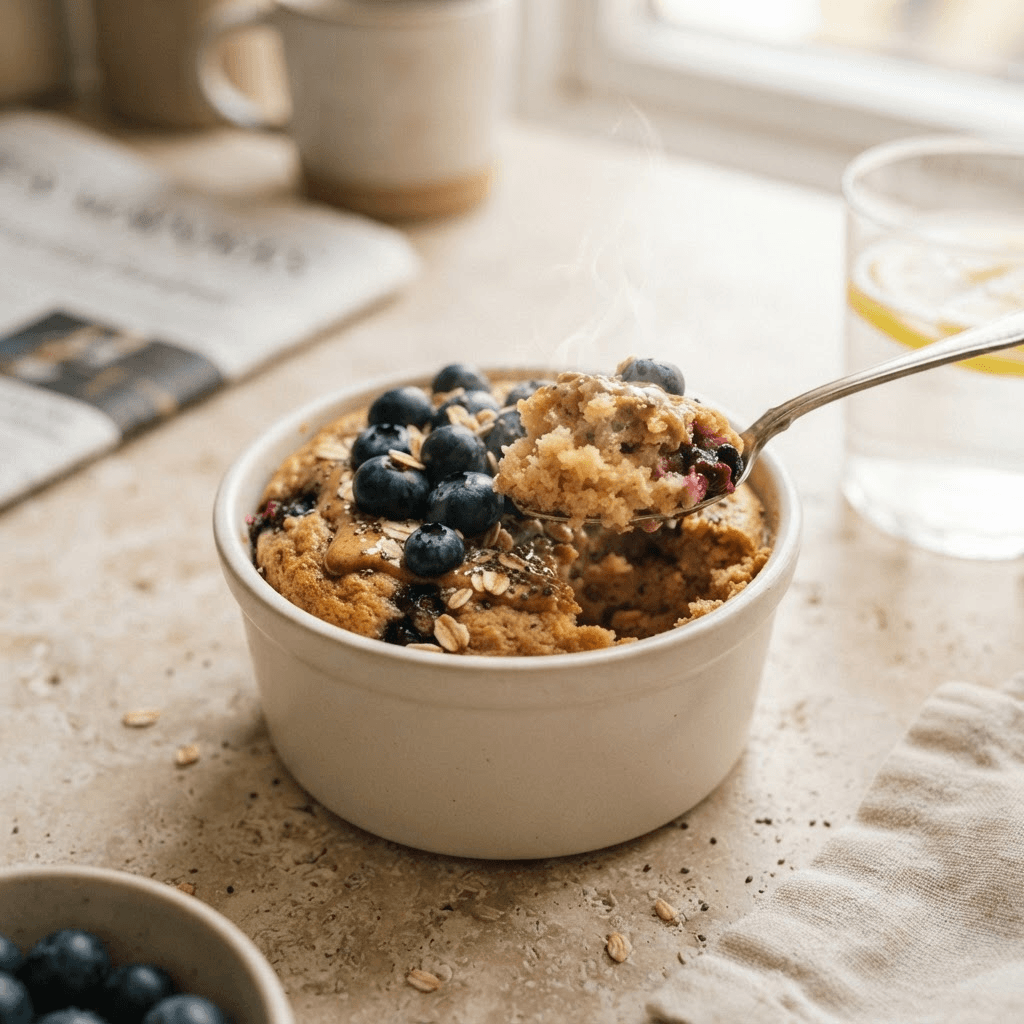
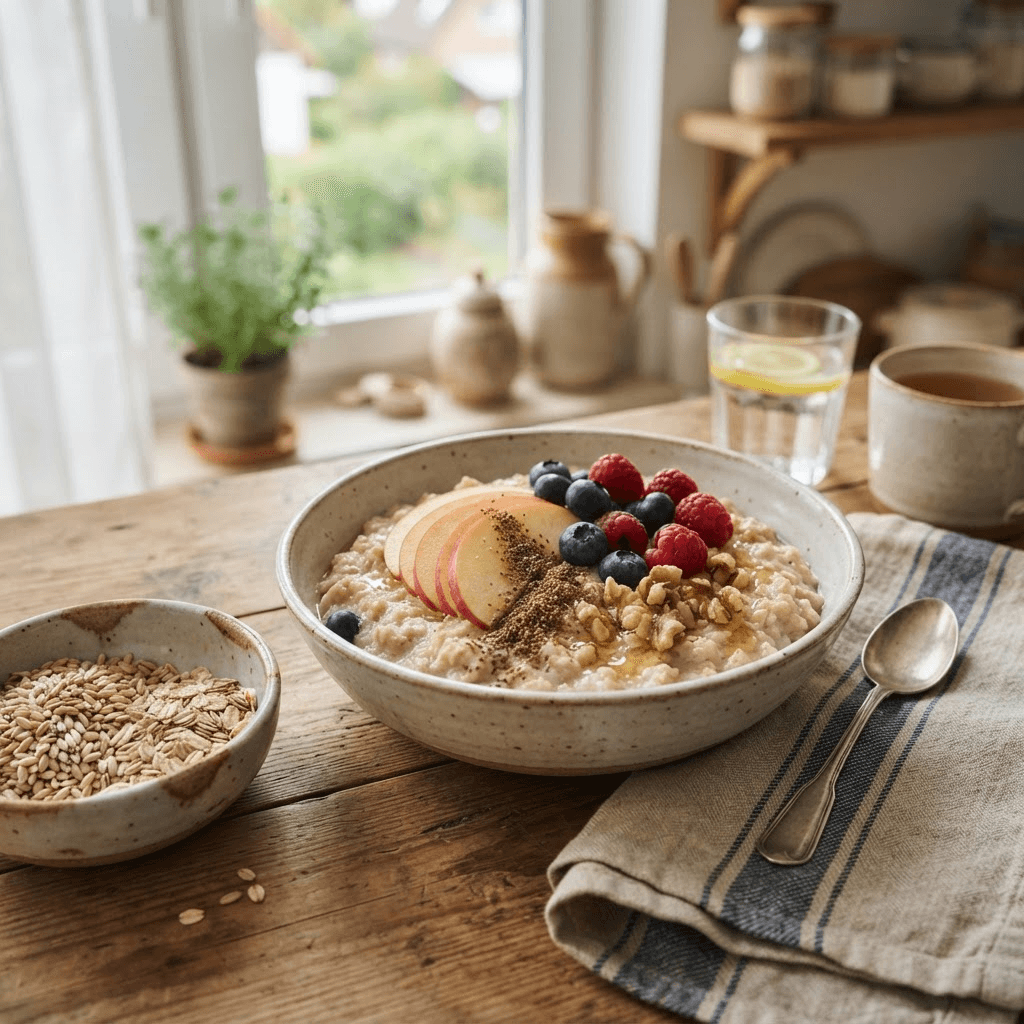
Oats contain beta-glucan, a soluble fiber with a well-established LDL-lowering effect. Rolled, steel-cut and quick oats all count; choose the texture you will eat. Cook them with milk or fortified soy milk, add fruit and walnuts, or use oats in overnight oats. Sweet packets can still contain useful oats, but compare added sugar and serving size.
2. Barley
Barley also supplies beta-glucan and has a pleasantly chewy texture. Pearl barley cooks faster, while hulled barley retains more of the outer grain. Stir it into vegetable soup, use it instead of rice under a stew, or mix half barley and half brown rice while your family gets used to it.
3. Beans and lentils
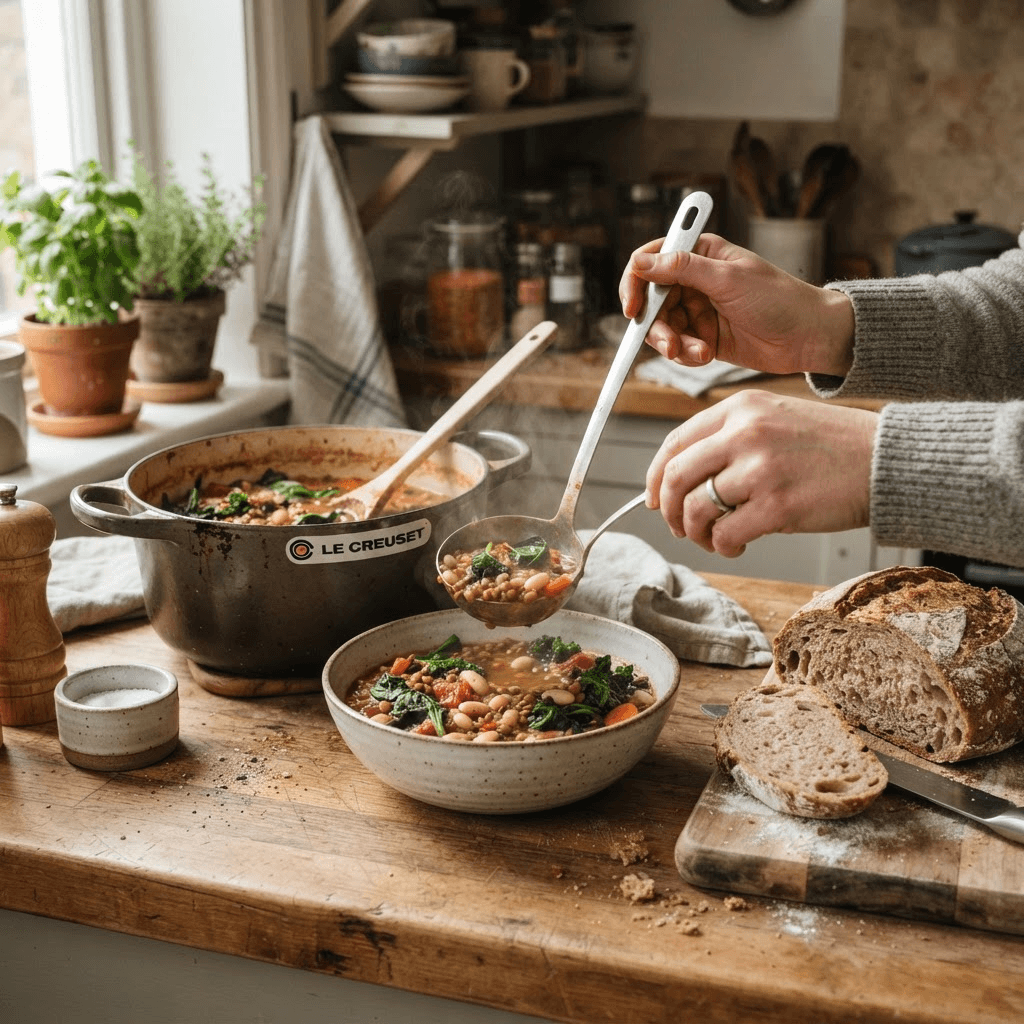
Black beans, chickpeas, kidney beans and lentils offer soluble fiber plus plant protein. They do two jobs when they replace some ground meat in chili, tacos or pasta sauce. Canned beans are nutritionally useful; drain and rinse them if sodium is a concern. Start with half a cup if legumes are new to your diet.
4. Apples and pears
Both fruits contain pectin, a soluble fiber concentrated in and near the skin. Eat the whole fruit rather than relying on juice, which removes most fiber and is easier to consume quickly. Pair an apple or pear with a small handful of nuts when you need a snack that lasts longer.
5. Citrus fruit
Oranges and grapefruit provide pectin, water and vitamin C. Whole segments are more useful for fullness than juice. Grapefruit can interact with several medicines, including some statins, so check with a pharmacist before making it a daily habit if you take prescription medication.
6. Eggplant and okra
These vegetables bring viscous fiber with very little saturated fat. Roast eggplant until soft for grain bowls or simmer it in tomato sauce. Add okra to soups, curries and stews, where its natural thickening quality becomes an advantage rather than something to fight.
The fat swap that matters more than “eating low fat”
A heart-supportive diet does not have to be fat-free. The better question is what kind of fat is on the plate and what it replaced. Saturated fat is abundant in butter, fatty and processed meats, full-fat dairy, coconut oil and many baked goods. Unsaturated fats from plants and fish are the practical alternatives.
7. Extra virgin olive oil
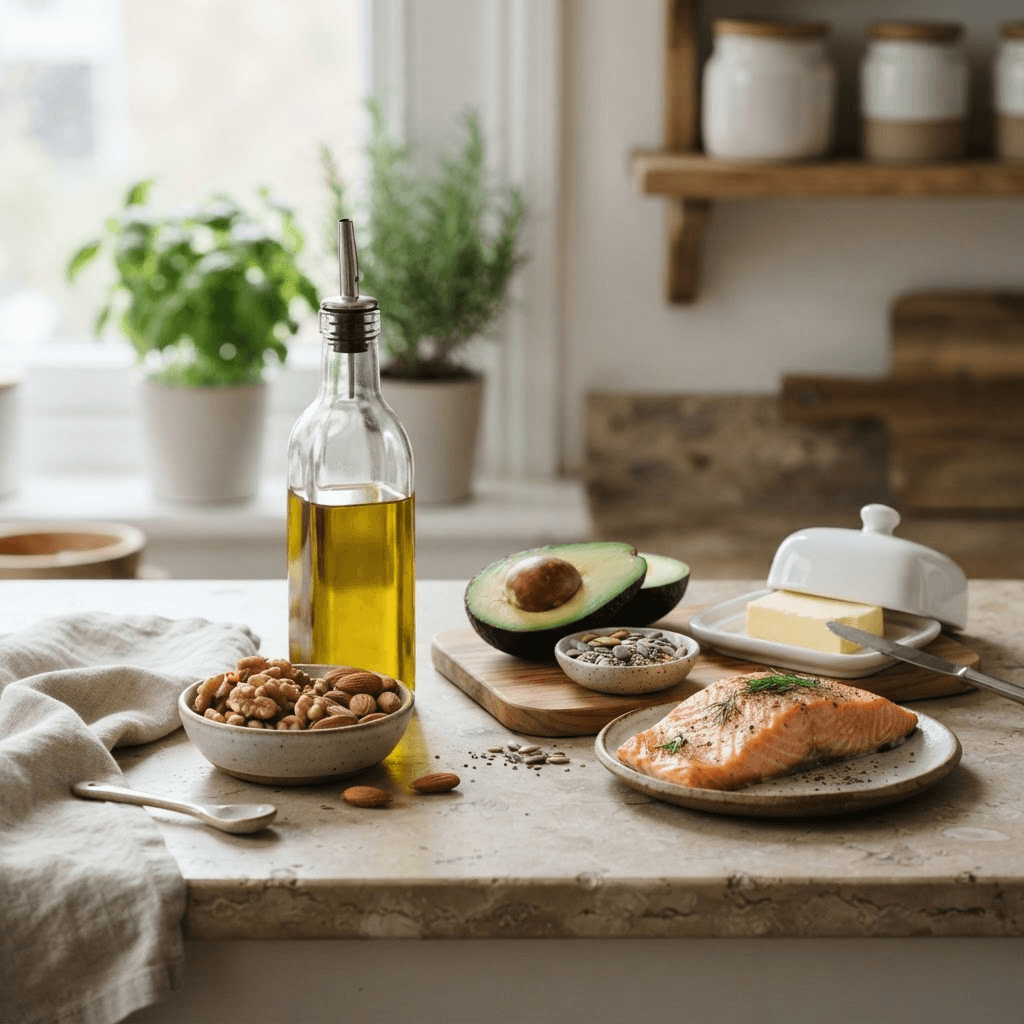
Olive oil is rich in monounsaturated fat and plant compounds. Use it for sautéing vegetables, dressing salads and replacing butter in savory dishes. It is still energy-dense, so pour for flavor rather than treating it as medicine. Store it away from the stove’s heat and buy a bottle you can finish while it tastes fresh.
8. Walnuts and almonds
Nuts provide unsaturated fat, fiber and plant sterols. A small handful is a practical portion. Choose plain or lightly salted varieties most often, but do not let “raw” become a purity rule—dry-roasted nuts are nutritious too. Chop walnuts over oats or use almonds in place of chips beside a sandwich.
9. Ground flaxseed and chia seeds
These seeds add soluble fiber and alpha-linolenic acid, a plant omega-3 fat. Ground flax is easier to digest than whole flaxseed. Stir one or two tablespoons into oatmeal, yogurt or soup, and drink fluids regularly as your fiber intake increases.
10. Avocado
Avocado combines monounsaturated fat with fiber. Spread it on toast instead of butter, cube it over bean chili or mash it into a yogurt-based dressing. Its value is not that it “cleans arteries”; it is a satisfying replacement for foods higher in saturated fat.
11. Salmon, sardines and trout
Oily fish supplies EPA and DHA omega-3 fats, which are best known for helping lower high triglycerides rather than directly lowering LDL. Fish can still improve the overall pattern when it replaces sausage, bacon or fatty cuts of meat. Canned salmon and sardines are economical, shelf-stable options.
Four more foods that make the whole pattern easier
12. Soy foods
Tofu, tempeh, edamame and unsweetened soy milk provide complete plant protein with little saturated fat. Their direct effect on LDL is modest, but replacing fatty meat or full-fat dairy with soy can strengthen the change. Pan-sear tofu for stir-fry or use fortified soy milk in oatmeal.
13. Leafy greens and cruciferous vegetables
Spinach, kale, broccoli and cabbage are not special cholesterol erasers. They are useful because they add fiber, volume and micronutrients while making less room for more calorie-dense foods. Frozen broccoli and spinach count and often cost less than fresh produce that goes unused.
14. Whole-grain bread and pasta
Whole grains generally provide more fiber than refined versions. Look for a whole grain near the beginning of the ingredient list, then compare fiber between products with similar serving sizes. A bread’s brown color, seeds on top or “multigrain” label does not guarantee it is mostly whole grain. Our guide to reading nutrition labels explains the checks that are worth your time.
15. Foods with added plant sterols
Some spreads, yogurts and drinks are fortified with plant sterols or stanols, which reduce cholesterol absorption in the gut. They can lower LDL when eaten consistently in effective amounts, but they are optional and often expensive. Check the serving directions, and ask a clinician before using them during pregnancy or while managing a rare lipid disorder.
What a cholesterol-lowering day of food can look like
| Meal | Practical plate | Why it helps |
|---|---|---|
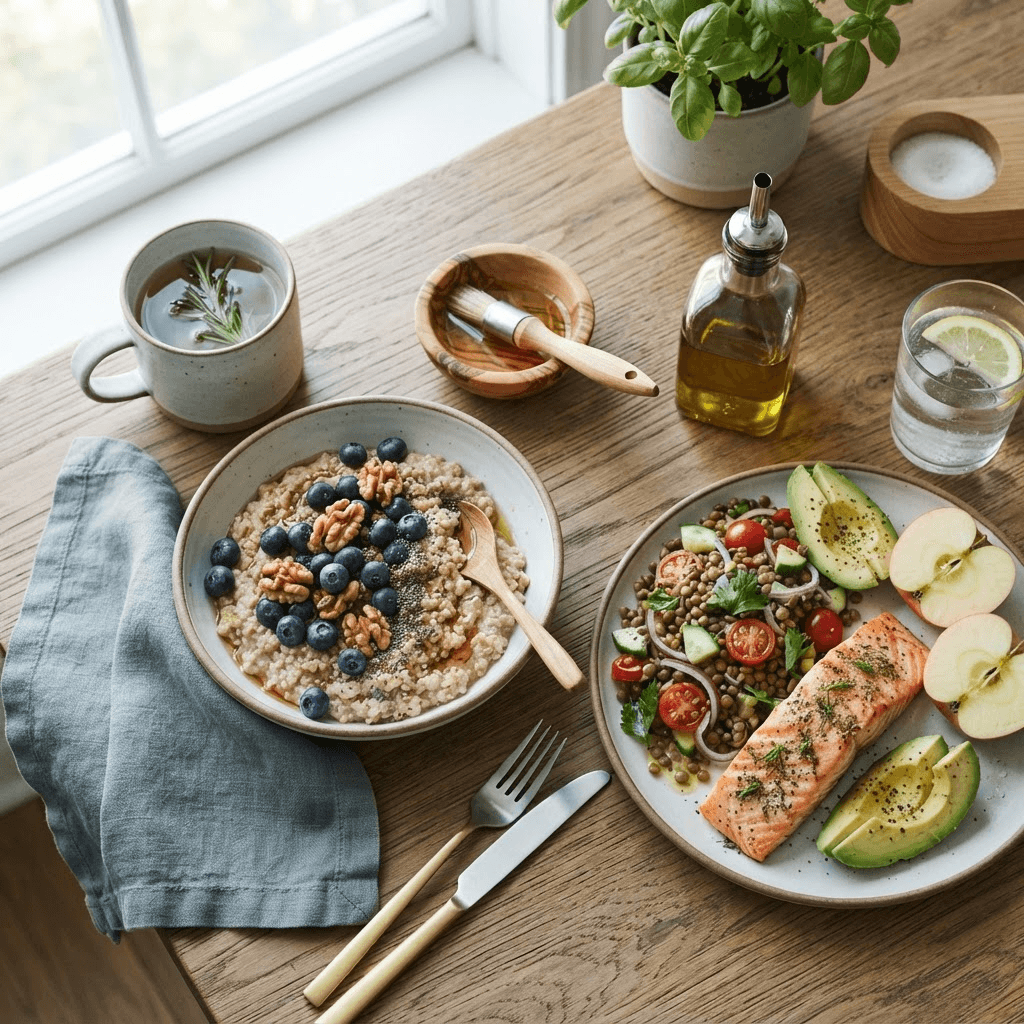
| Breakfast | Oatmeal with pear, walnuts and ground flax | Beta-glucan, pectin and unsaturated fat |
| Lunch | Lentil soup, whole-grain toast and dressed greens | Soluble fiber plus a low-saturated-fat protein |
| Snack | Apple with almonds | Whole-fruit fiber and a satisfying fat swap |
| Dinner | Salmon, barley and roasted broccoli | Omega-3 fats, beta-glucan and vegetables |
You do not need to eat all fifteen foods in one day. A more realistic week repeats oats at breakfast, uses beans or lentils for two or three meals, includes fish once or twice if you eat it, and keeps fruit and nuts convenient. If you want a broader framework rather than a cholesterol-specific menu, the Mediterranean diet meal plan uses the same food-first principles.
A grocery cart that does not depend on specialty products
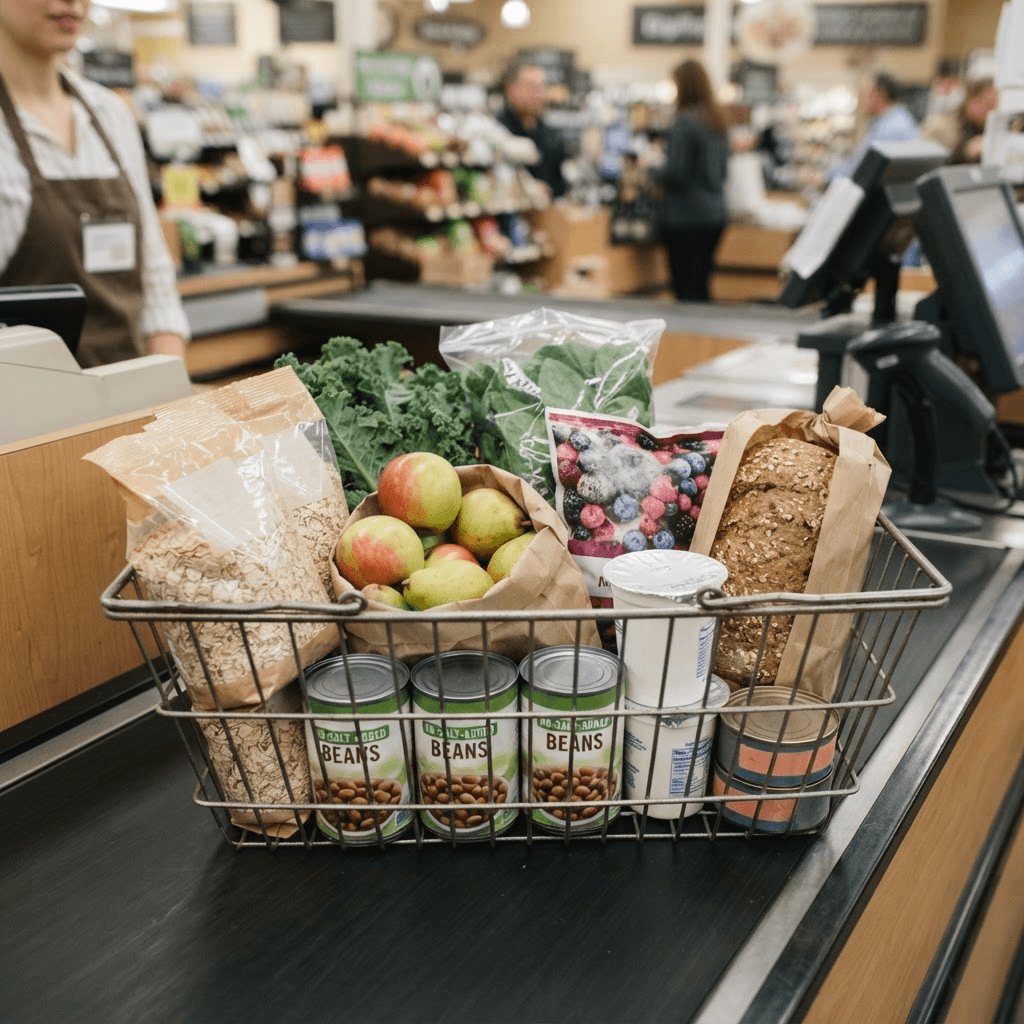
- Buy one oat product: rolled, steel-cut or quick oats without making the choice harder than it is.
- Choose two legumes you already enjoy, such as lentils for soup and chickpeas for salads or curry.
- Put three whole fruits on the list and buy an amount your household will finish.
- Keep one frozen vegetable for nights when fresh produce is no longer fresh.
- Pick olive or canola oil for everyday cooking and one nut or seed for breakfasts and snacks.
- Choose fish, tofu or extra beans for two dinners that would otherwise center on processed or fatty meat.
Three cholesterol myths worth leaving at the supermarket
Myth: eggs must disappear
Dietary cholesterol in eggs does not affect everyone’s blood cholesterol to the same degree, and saturated fat is usually the larger dietary target. Eggs can fit for many people, especially beside vegetables and whole grains rather than bacon and buttered toast. People with diabetes, familial hypercholesterolemia or specific medical advice should follow individualized guidance.
Myth: coconut oil is heart-healthy because it is natural
Coconut oil is high in saturated fat and can raise LDL cholesterol. Natural does not describe cardiovascular effect. Use it occasionally for a flavor you specifically want, not as the default cooking oil; olive or canola oil is a better everyday choice.
Myth: supplements can replace meals
Psyllium fiber can be useful for some people, but “cholesterol support” blends vary in evidence, dose and safety. Red yeast rice may contain a statin-like compound in unpredictable amounts and can cause similar side effects or drug interactions. Discuss supplements with a clinician or pharmacist rather than treating the supplement aisle as risk-free.
If you change only three things this week
- Eat oats or another high-fiber whole grain at breakfast on four mornings.
- Replace two meat-centered meals with lentils, beans, tofu or fish.
- Use olive or canola oil instead of butter for everyday cooking and keep fruit plus nuts ready for snacks.
Those changes are not dramatic enough for a detox headline. They are, however, specific enough to shop for and repeat. Give them a place in your routine, continue the treatment your clinician recommends, and have your cholesterol rechecked on the schedule they set.
Sources and further reading
These clinical and public-health sources support the guidance on dietary fats, soluble fiber, plant sterols and cardiovascular risk.
- Dietary fats and cardiovascular disease advisoryAmerican Heart Association
- Lower your cholesterol with dietNational Heart, Lung, and Blood Institute
- Oats and cholesterolHarvard T.H. Chan School of Public Health
- Saturated fat and heart healthAmerican Heart Association
Straight answers about food and cholesterol
What foods lower cholesterol the fastest?
No single food lowers cholesterol overnight. Oats and barley rich in beta-glucan, beans, nuts, unsaturated oils and foods with added plant sterols have useful evidence when eaten consistently. The strongest approach combines soluble fiber with replacing saturated fats.
Is oatmeal good for high cholesterol?
Yes. Oats contain beta-glucan, a soluble fiber that can help lower LDL cholesterol. Rolled, steel-cut and quick oats all count. Choose a form you will eat regularly and add fruit, nuts or seeds instead of relying on heavily sweetened toppings.
What should I avoid eating if I have high cholesterol?
Limit foods high in saturated fat, including fatty and processed meats, butter, coconut oil and many pastries. You do not need a forbidden-food list. Focus on replacing these foods more often with beans, fish, nuts, seeds and unsaturated oils.
How long does diet take to lower cholesterol?
Changes may appear within several weeks, but the response varies with genetics, starting levels, medication and how consistently the eating pattern changes. Follow your clinician’s recommended schedule for repeat bloodwork rather than testing too frequently.
Can I lower cholesterol without medication?
Some people can reach their target with food, activity, weight management where appropriate and not smoking. Others need medication because of their LDL level, family history or overall cardiovascular risk. A clinician should make that decision with you.
Vitalis Nutrition Desk
The Vitalis Nutrition Desk turns established nutrition science into useful, food-first guidance for everyday kitchens.
Medical disclaimer: This article provides general food and nutrition education, not personalised medical nutrition therapy. Speak with a qualified clinician or registered dietitian if you have a medical condition, food allergy, take medication affected by diet, or need an individual eating plan.