Magnesium-Rich Foods: 20 Everyday Options and Easy Ways to Eat More
Magnesium is hiding in familiar foods, not just supplement bottles. Here are 20 dependable sources, what a useful portion looks like and how to build them into an ordinary week.
At a glance
- Seeds, nuts, beans, whole grains and leafy greens are among the most dependable food sources of magnesium.
- A person does not need a special “magnesium meal”; adding one seed or nut, one legume and one whole grain across the day can make a meaningful difference.
- Muscle cramps, poor sleep and fatigue have many causes, so symptoms alone cannot diagnose magnesium deficiency.
- Supplements can interact with medicines and excessive doses can cause diarrhea; food is the sensible starting point for most people.
Magnesium rarely gets the attention given to protein or vitamin D, yet the body uses it in hundreds of reactions. It helps nerves send signals, muscles contract and relax, bones maintain their structure, and cells make energy. The good news is less glamorous than a supplement advertisement: useful amounts are spread across beans, seeds, greens and grains that can become breakfast, lunch and dinner.
The difficult part is not finding a rare superfood. It is eating enough of the ordinary sources consistently. A tablespoon of seeds forgotten in the back of a cupboard does little. Oatmeal several mornings a week, beans in Tuesday’s dinner and a small handful of nuts packed with lunch create a pattern that lasts.
How much magnesium do you need each day?
Adult needs vary by age and sex. In the United States, the recommended dietary allowance is generally 400–420 milligrams per day for adult men and 310–320 milligrams for adult women. Pregnancy raises the target for many adults. These numbers are daily goals, not a reason to calculate every bite; intake naturally shifts from one day to the next.
Nutrition labels can help, although a food does not need to advertise magnesium to contain it. The Daily Value used on US labels is 420 milligrams. A product showing 20% Daily Value provides about one-fifth of that amount per listed serving. Check the serving first—the technique in our nutrition label guide keeps percentages in context.
Begin with the small foods that carry a lot

1. Pumpkin seeds
Pumpkin seeds are one of the most concentrated familiar sources of magnesium. A one-ounce handful also brings protein, unsaturated fat and iron. Use them where their crunch is noticeable: over soup, mixed into oats or beside fruit. Plain or lightly salted seeds are easy defaults, but a seasoned variety can still fit if sodium is not a concern.
2. Chia seeds
Chia supplies magnesium along with fiber and plant omega-3 fat. Stir a tablespoon into oatmeal or yogurt rather than swallowing dry seeds. They absorb liquid quickly, so adequate fluid matters. Increase fiber gradually if your usual diet is low in it.
3. Almonds
An ounce of almonds—a small handful—is a convenient source. Almond butter counts too, although portions are easier to underestimate when it comes from a jar. Spread it on toast or apple slices, or chop almonds into a grain salad so a modest amount reaches several bites.
4. Cashews
Cashews offer magnesium, copper and unsaturated fats. They blend smoothly into sauces, but they do not need to imitate dairy to be useful. Add them to stir-fry, trail mix or a snack plate. Choose whichever nut you genuinely enjoy; variety is more valuable than chasing a perfect ranking.
5. Peanut butter
Peanuts are legumes, but nutritionally they often behave like nuts. Peanut butter is affordable, shelf-stable and easy to use at breakfast. Compare jars for added sugar and sodium, then choose based on budget and taste. The best jar is the one your household finishes rather than the “cleanest” one left untouched.
Beans and whole grains do the quiet daily work
Legumes and intact grains make magnesium part of a meal instead of another task. They also supply fiber, which many adults need more of. If beans cause discomfort, begin with a smaller portion, rinse canned beans and increase gradually as the digestive system adapts.

6. Black beans
Black beans provide magnesium, plant protein and soluble fiber. Canned beans are not a nutritional compromise. Drain and rinse them, then add to tacos, soup, eggs or a rice bowl. A half-cup is a realistic starting portion rather than an enormous restaurant bowl.
7. Edamame
Young soybeans supply magnesium and complete plant protein. Frozen shelled edamame can go directly into stir-fry, noodle bowls or a lunch salad. Whole pods make a slower snack, but only the beans inside are eaten.
8. Lentils
Lentils cook faster than most dried beans and need no soaking. Brown or green lentils hold their shape in salads; red lentils soften into soup or curry. Their magnesium is one reason to eat them, but their low cost and ability to stretch a meal may be the reasons you keep doing it.
9. Quinoa
Quinoa is a useful high-magnesium grain alternative, though it is not mandatory or uniquely superior. Cook it in broth, fold in vegetables and use leftovers cold at lunch. Brown rice, barley and whole-wheat couscous can provide variety at different prices.
10. Oats
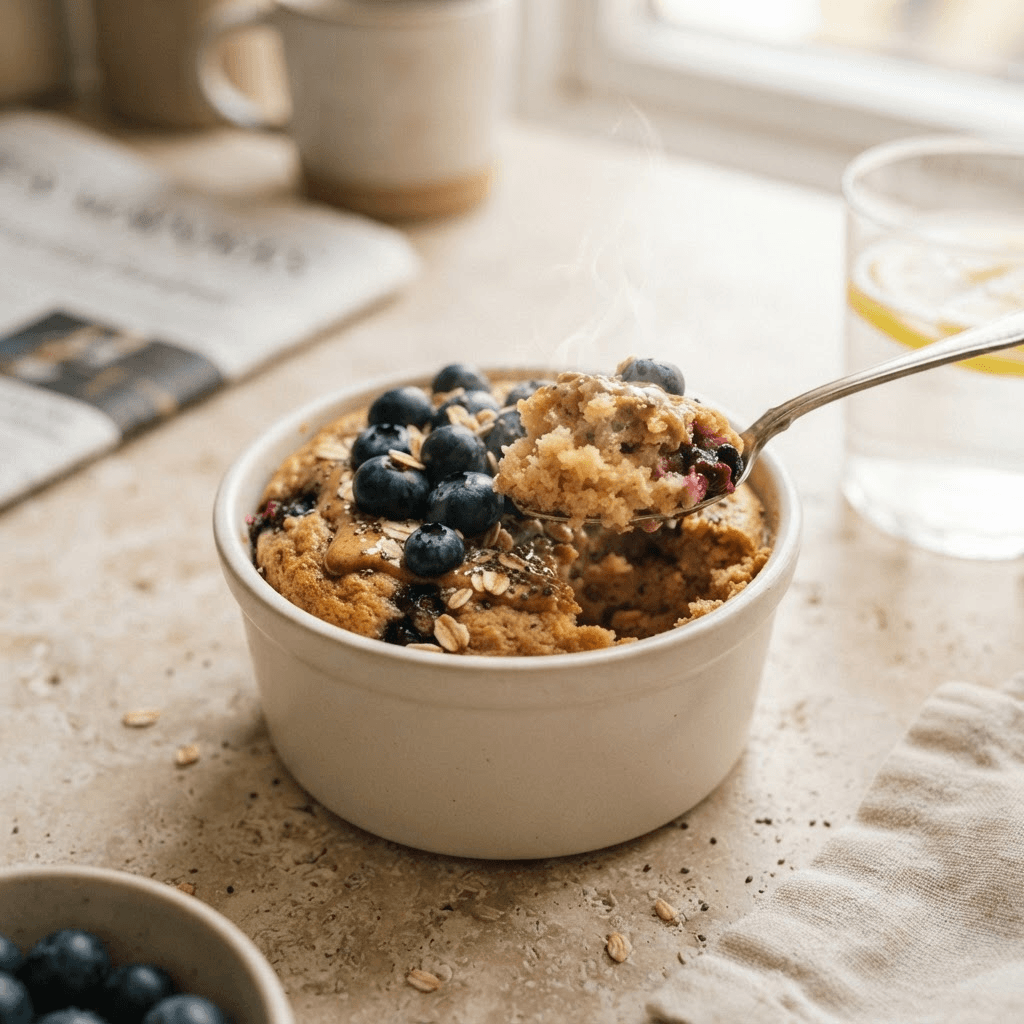
Oats bring magnesium and beta-glucan fiber. Rolled, quick and steel-cut oats differ mostly in texture and cooking time. Build a magnesium-rich breakfast by adding banana, peanut butter or pumpkin seeds. If you already eat oats for their fiber, this is one benefit you receive without buying anything new.
11. Whole-wheat bread
Whole-wheat bread contributes a moderate amount that adds up across the day. Look for whole wheat or another whole grain near the beginning of the ingredient list. Dark color, visible seeds and the word “multigrain” do not prove that the loaf is mostly whole grain.
The produce aisle has useful sources—not magic ones
12. Cooked spinach
Cooking reduces spinach’s volume, so a serving contains more leaves and magnesium than the same cup measured raw. Frozen spinach is inexpensive and already wilted. Squeeze out extra water and add it to eggs, pasta sauce, lentil soup or curry.
13. Swiss chard
Swiss chard has tender leaves and firmer stems. Chop the stems and start them in the pan first, then add the leaves. Garlic, lemon and olive oil soften its earthy flavor. Kale is nutritious too, but it is not an exact magnesium substitute in equal portions.
14. Avocado
Avocado is not the most concentrated source, yet it contributes alongside fiber and unsaturated fat. Add a quarter or half to toast, chili or a bean bowl. Portion advice should not become a rule detached from hunger; the rest of the meal and your needs matter.
15. Baked potato with skin
Potatoes supply magnesium and potassium, especially when the skin is eaten. A baked potato topped with beans and spinach is a substantial meal, not an empty carbohydrate. Wash the skin well and choose toppings that build the meal rather than drowning it.
16. Banana
Bananas contain some magnesium, though less than seeds, beans or cooked greens. Their strength is convenience. Pair one with peanut butter, yogurt or nuts for a more satisfying snack. There is no need to force bananas if another fruit suits you better.
Four sources people often overlook
17. Dark chocolate
Dark chocolate contains magnesium, but it is better treated as chocolate than prescribed as a mineral supplement. Cocoa percentage, serving size and added sugar vary. A few squares can fit after a meal; eating a large bar to reach a nutrient target misses the food-first point.
18. Plain yogurt
Yogurt provides a modest amount plus protein and calcium. It becomes more meaningful when topped with seeds, nuts and fruit. Dairy-free products vary widely, so check fortification, protein and added sugar if choosing one as a nutritional replacement rather than simply for taste.
19. Salmon
Salmon contributes magnesium, protein, vitamin D and omega-3 fats. Canned salmon offers similar convenience at a lower price and works in patties, sandwiches or grain bowls. Fish is optional; plant foods can cover magnesium needs in a vegetarian diet.
20. Fortified breakfast cereal
Some cereals have magnesium added or retain it from whole grains. Compare labels because amounts differ sharply. Look at fiber, added sugar and serving size alongside the magnesium percentage instead of allowing one impressive number to decide the purchase.
A realistic magnesium-rich day of eating

| Meal | What is on the plate | Where magnesium comes from |
|---|---|---|
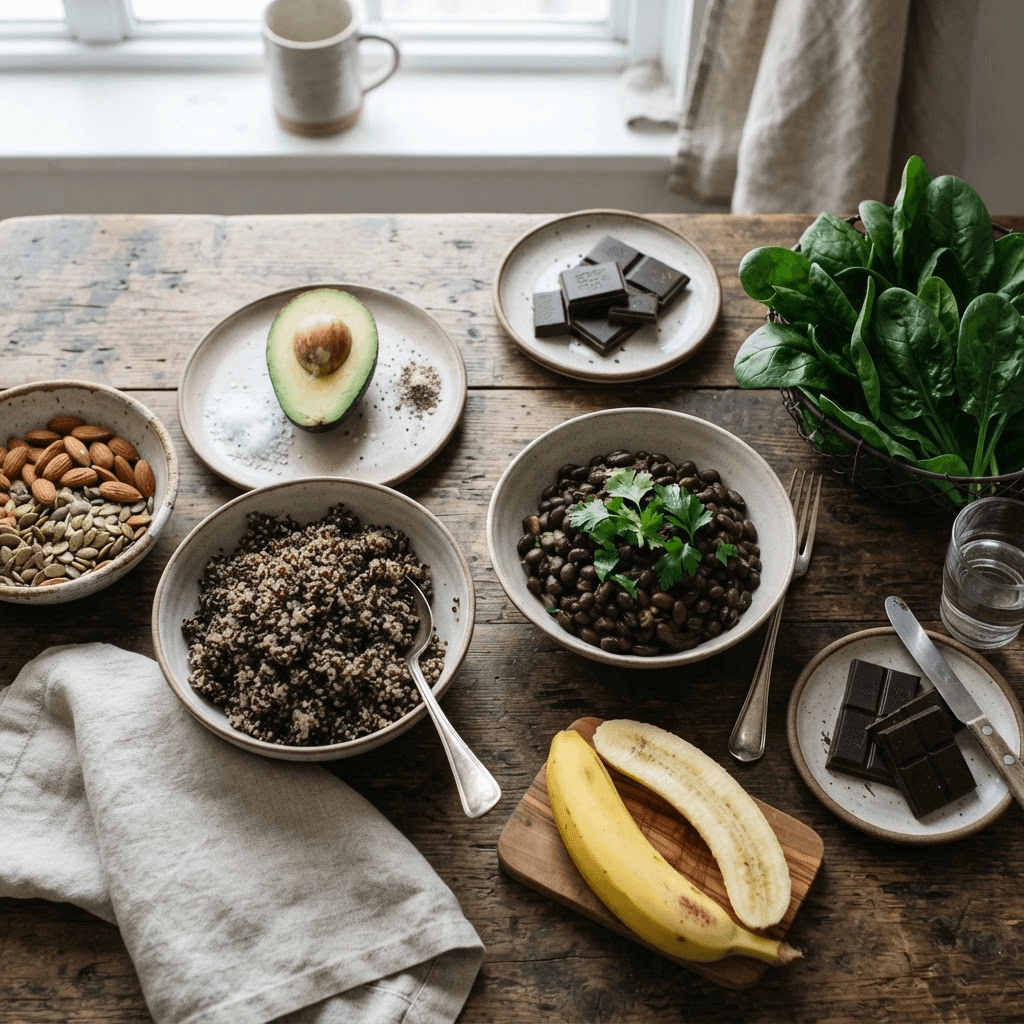
| Breakfast | Oatmeal with banana, peanut butter and pumpkin seeds | Oats, peanut butter, seeds and banana |
| Lunch | Black bean and quinoa bowl with spinach and avocado | Beans, quinoa, cooked greens and avocado |
| Snack | Plain yogurt with almonds or a piece of fruit | Almonds and yogurt |
| Dinner | Salmon, baked potato and garlicky chard | Fish, potato and cooked greens |
That menu contains no specialty powder and does not depend on perfect tracking. A vegetarian version can replace salmon with lentils, tofu or edamame. Someone who dislikes oatmeal might choose whole-grain toast with peanut butter. The structure survives even when the foods change.
The affordable grocery plan: choose one from each row

- Seed or nut: pumpkin seeds, almonds, cashews or peanut butter.
- Legume: black beans, lentils or frozen edamame.
- Whole grain: oats, quinoa, brown rice or whole-wheat bread.
- Green vegetable: fresh or frozen spinach, Swiss chard or another green you will cook.
- Flexible extra: bananas, potatoes, avocado, yogurt, salmon or dark chocolate.
Store brands, frozen vegetables and canned beans all count. Magnesium is not made more effective by premium packaging. If cost matters, oats, peanut butter, lentils, potatoes and frozen spinach form a particularly versatile starting group.
Low magnesium, testing and supplements
True magnesium deficiency can cause loss of appetite, nausea, fatigue and weakness; more severe deficiency may involve numbness, muscle contractions, seizures or an abnormal heart rhythm. Those symptoms are not specific. A clinician considers medical history, medicines and laboratory results rather than diagnosing deficiency from a symptom checklist.
Risk is higher with certain gastrointestinal diseases, type 2 diabetes, long-term heavy alcohol use and older age. Some medicines, including certain diuretics and prolonged use of proton pump inhibitors, may affect magnesium status. Do not stop a medicine on your own; ask the prescriber whether monitoring is appropriate.
Three changes that are easy to keep next week
- Put pumpkin seeds, almonds or peanut butter beside a breakfast you already eat.
- Plan one bean- or lentil-based lunch and one dinner built around beans, tofu or fish.
- Keep frozen spinach available and add it to two cooked meals instead of waiting for the perfect salad.
Magnesium nutrition is not a hunt for one heroic ingredient. It is the result of several ordinary foods appearing often enough to matter. Start with the change that fits your kitchen, let it become boringly normal, and then add the next one.
Sources and further reading
These public-health and clinical references support the daily intake figures, food sources, deficiency guidance and supplement precautions in this article.
- Magnesium fact sheet for consumersNIH Office of Dietary Supplements
- Magnesium fact sheet for health professionalsNIH Office of Dietary Supplements
- Magnesium in dietMedlinePlus, U.S. National Library of Medicine
- Magnesium and healthy eatingHarvard T.H. Chan School of Public Health
Useful answers about magnesium in food
What food is highest in magnesium?
Pumpkin seeds are among the most concentrated common food sources. Chia seeds, almonds, cashews, cooked spinach, beans and whole grains also provide useful amounts. A varied pattern matters more than relying on one food.
Which fruits are high in magnesium?
Avocado and banana contribute magnesium, but seeds, nuts, beans, whole grains and cooked leafy greens are generally more concentrated. Fruit still supports a balanced diet and can be paired with nuts or peanut butter.
Can magnesium-rich foods help with muscle cramps?
Low magnesium can affect muscle function, but cramps also result from exertion, dehydration, medicines, circulation problems and other causes. Eating enough magnesium supports normal function; persistent or severe cramps deserve medical evaluation.
Do magnesium foods improve sleep?
Magnesium participates in nerve and muscle function, but evidence does not support treating every sleep problem with magnesium foods or supplements. A balanced intake is worthwhile, while ongoing insomnia should be discussed with a healthcare professional.
Is it better to get magnesium from food or supplements?
Food is the preferred starting point for most people because it supplies magnesium with fiber, protein and other nutrients. Supplements may be appropriate for a diagnosed need, but dose and timing should be reviewed because side effects and medicine interactions are possible.
Vitalis Nutrition Desk
The Vitalis Nutrition Desk turns established nutrition science into useful, food-first guidance for everyday kitchens.
Medical disclaimer: This article provides general food and nutrition education, not personalised medical nutrition therapy. Speak with a qualified clinician or registered dietitian if you have a medical condition, food allergy, take medication affected by diet, or need an individual eating plan.