High-Protein Foods: 30 Best Options, Portions and Easy Meal Ideas
A practical list of high-protein foods—from eggs and fish to lentils and tofu—with realistic protein amounts, budget choices and simple ways to build satisfying meals.
At a glance
- Protein needs vary, but the adult baseline is 0.8 grams per kilogram of body weight per day; many active and older adults may benefit from more.
- A useful meal target for many adults is roughly 20–35 grams, spread across the day rather than saved for dinner.
- Eggs, Greek yogurt, fish, poultry, tofu, tempeh, beans and lentils all count—there is no single best source.
- Pair protein with vegetables, fruit, whole grains and unsaturated fats instead of letting it crowd out fiber-rich food.
- Kidney disease and some other medical conditions require individualized advice before protein intake is increased substantially.
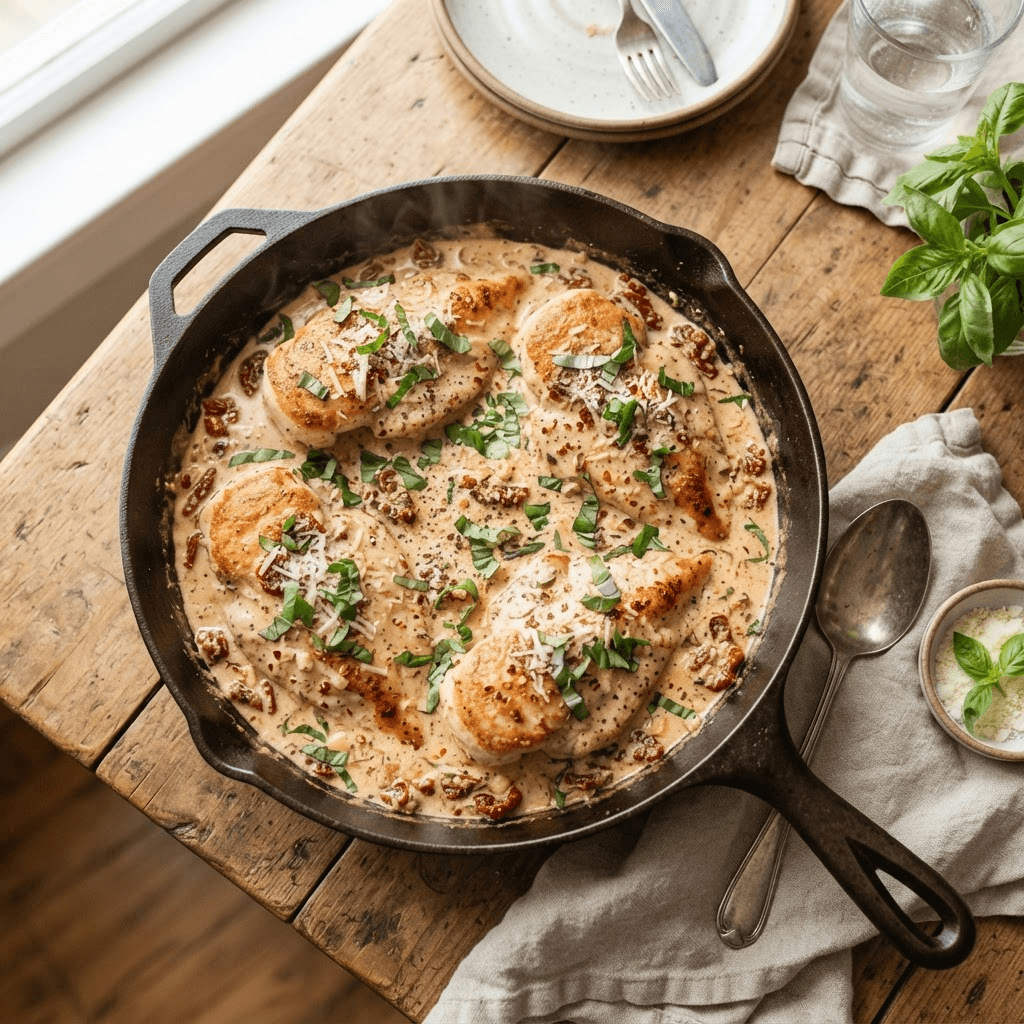
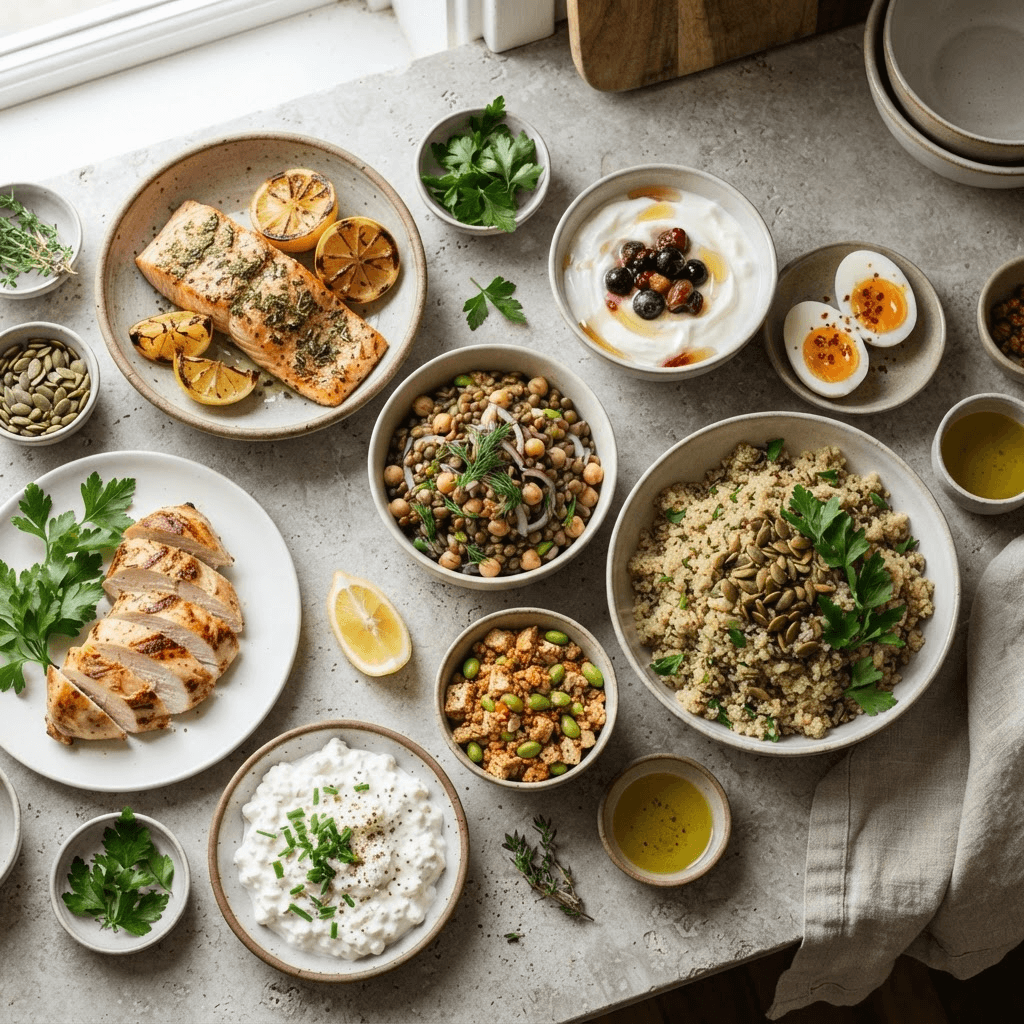
The best high-protein foods are the ones that fit your budget, culture and usual meals. Chicken breast and tuna are concentrated options, but eggs, Greek yogurt, lentils, tofu, cottage cheese, beans and edamame can make it just as easy to reach a useful amount across the day. For most people, variety matters more than finding one “perfect” protein.
If you want the short answer, build each main meal around one clear protein food. A palm-size portion of cooked poultry or fish, a cup of Greek yogurt, a cup of cooked lentils, or a serving of tofu plus a grain will often provide about 20–35 grams. Add vegetables, fruit, whole grains and a source of unsaturated fat so the meal supplies more than protein alone.
How much protein do you need each day?
The US Recommended Dietary Allowance for healthy adults is 0.8 grams of protein per kilogram of body weight per day. That equals about 0.36 grams per pound. It is a baseline designed to cover the needs of nearly all healthy adults, not an automatic optimum for every goal. A 70-kilogram (154-pound) adult reaches that baseline at about 56 grams per day.
| Body weight | Baseline calculation | Protein per day |
|---|---|---|
| 110 lb / 50 kg | 50 × 0.8 | 40 g |
| 132 lb / 60 kg | 60 × 0.8 | 48 g |
| 154 lb / 70 kg | 70 × 0.8 | 56 g |
| 176 lb / 80 kg | 80 × 0.8 | 64 g |
| 198 lb / 90 kg | 90 × 0.8 | 72 g |
Needs can rise with resistance or endurance training, pregnancy, breastfeeding, recovery from illness, and older age. Sports-nutrition position statements commonly place exercising adults around 1.2–2.0 grams per kilogram, depending on training and energy intake. That range is not a universal prescription. A sports dietitian can match intake to your training, body composition goals and health history.
Does protein timing matter?
Total daily intake comes first, but distribution helps. Many people eat little protein at breakfast, some at lunch and most at dinner. Spreading moderate servings over three meals gives the body repeated opportunities to use amino acids for tissue repair and maintenance. For many adults, 20–35 grams at a meal is a practical range; larger bodies and demanding training may call for more.

15 high-protein animal foods and realistic servings
Animal foods generally contain all nine essential amino acids in proportions the body can readily use. They also differ substantially in saturated fat, sodium, price and environmental impact. Fish, poultry, eggs and minimally processed dairy are useful everyday choices; processed meats are better treated as occasional foods because regular intake is linked with poorer long-term health outcomes.
| Food | Serving | Approx. protein |
|---|---|---|
| Chicken breast | 3 oz / 85 g cooked | 26 g |
| Turkey breast | 3 oz / 85 g cooked | 25 g |
| Lean beef | 3 oz / 85 g cooked | 22–25 g |
| Pork tenderloin | 3 oz / 85 g cooked | 22 g |
| Salmon | 3 oz / 85 g cooked | 22 g |
| Tuna, canned in water | 3 oz / 85 g drained | 20 g |
| Shrimp | 3 oz / 85 g cooked | 20 g |
| Sardines | 3.75 oz / 106 g can | 22 g |
| Greek yogurt, plain | 1 cup / 225 g | 20–23 g |
| Cottage cheese | 1 cup / 225 g | 24–28 g |
| Milk | 1 cup / 240 ml | 8 g |
| Eggs | 2 large | 12–13 g |
| Egg whites | 4 large | 14 g |
| Part-skim mozzarella | 1.5 oz / 42 g | 10–11 g |
| Kefir, plain | 1 cup / 240 ml | 9–11 g |
How to choose among them
- Fish: aim for variety. Salmon and sardines add omega-3 fats; canned tuna is convenient, but pregnancy and childhood require attention to mercury guidance.
- Poultry and meat: choose mostly lean, unprocessed cuts and let vegetables and grains share the plate.
- Eggs: economical, quick and easy to combine with beans, dairy or whole grains when two eggs alone are not enough for a meal.
- Yogurt and cottage cheese: compare protein, added sugar and sodium between brands. Plain versions work in sweet and savory meals.
- Processed meat: bacon, sausage, salami and many deli meats can contain substantial sodium and saturated fat. High protein does not erase those trade-offs.

15 high-protein plant foods worth keeping around
Plant proteins are not incomplete in the sense that they contain no essential amino acids; most simply have a lower proportion of one or more. Eating varied foods across the day is enough for most people. You do not need to combine beans and rice in the same mouthful. Soy foods are complete proteins, and legumes, whole grains, nuts and seeds complement one another naturally in an ordinary diet.
| Food | Serving | Approx. protein |
|---|---|---|
| Tempeh | 3 oz / 85 g | 16–18 g |
| Extra-firm tofu | 4 oz / 113 g | 12–15 g |
| Edamame | 1 cup cooked, shelled | 18 g |
| Lentils | 1 cup cooked | 18 g |
| Chickpeas | 1 cup cooked | 14–15 g |
| Black beans | 1 cup cooked | 15 g |
| Kidney beans | 1 cup cooked | 15 g |
| Split peas | 1 cup cooked | 16 g |
| Seitan | 3 oz / 85 g | 20–25 g |
| Quinoa | 1 cup cooked | 8 g |
| Green peas | 1 cup cooked | 8–9 g |
| Peanuts | 1 oz / 28 g | 7 g |
| Peanut butter | 2 tbsp / 32 g | 7–8 g |
| Pumpkin seeds | 1 oz / 28 g | 8–9 g |
| Hemp seeds | 3 tbsp / 30 g | 9–10 g |
Beans and lentils deliver protein plus soluble and insoluble fiber, which supports bowel regularity, cholesterol management and steadier meals. Increase legumes gradually if you are not used to them, rinse canned beans, and start with a half-cup portion. Our high-fiber foods guide explains how to increase fiber more comfortably.
A note on protein powders
Whey, casein, soy, pea and blended plant powders can be convenient, especially when appetite or schedules make food difficult. They are supplements, not a requirement. Choose a product with a short ingredient list, roughly 20–30 grams per serving, and independent certification if you compete in tested sport. Food usually offers more fiber, vitamins, minerals and satisfaction.
How to build high-protein meals without tracking all day
Start by identifying the protein anchor, then complete the meal. A protein anchor is not a garnish: a tablespoon of seeds adds texture, but it does not turn oatmeal into a 25-gram breakfast. Use a substantial base such as Greek yogurt, eggs plus beans, tofu, lentils, fish or poultry, and let smaller ingredients add to it.

| Meal | Protein-building combination | Approx. total |
|---|---|---|
| Yogurt breakfast | 1 cup Greek yogurt + 2 tbsp pumpkin seeds + berries | 28–31 g |
| Egg breakfast | 2 eggs + 1/2 cup black beans + whole-grain toast | 24–27 g |
| Lentil lunch | 1 cup lentils + quinoa tabbouleh + tahini | 25–29 g |
| Tuna lunch | Canned tuna + white beans + chopped vegetables | 30–35 g |
| Salmon dinner | 3 oz salmon + 1 cup quinoa + broccoli | 32–35 g |
| Tofu dinner | 5 oz tofu + edamame vegetable stir-fry | 27–32 g |
| Cottage cheese snack | 3/4 cup cottage cheese + fruit | 18–22 g |
| Milk and peanut snack | 1 cup milk + 1 oz peanuts | 15 g |
Easy upgrades to meals you already eat
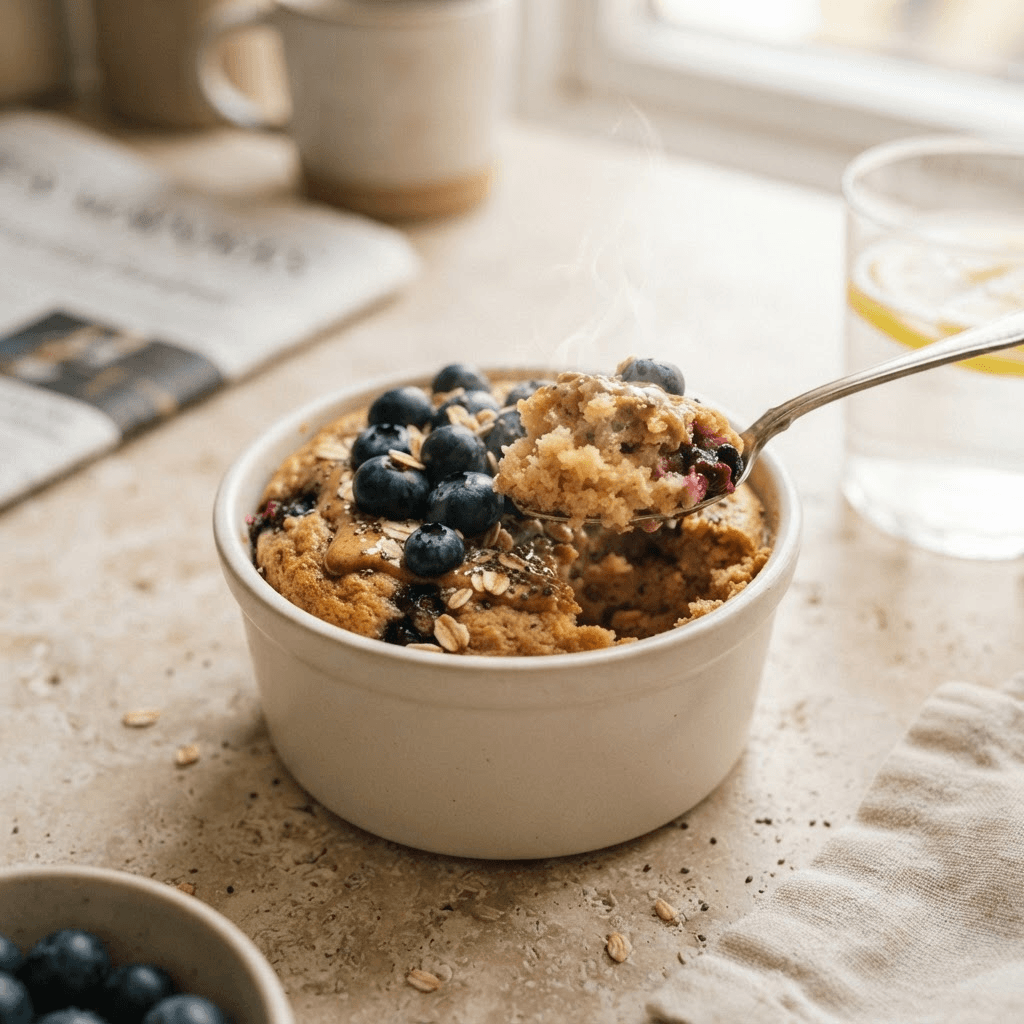
- Oatmeal: cook it with milk or soy milk and serve with Greek yogurt instead of relying only on a spoonful of seeds.
- Salad: add a full cup of lentils, a can of tuna, baked tofu or leftover chicken—not just a few chickpeas.
- Pasta: mix in white beans, lentil pasta, ground turkey or crumbled tempeh and add vegetables to the sauce.
- Soup: use split peas, lentils, beans, chicken or tofu, then serve with whole-grain bread and yogurt if needed.
- Smoothie: use Greek yogurt, milk or fortified soy milk. Our green smoothie recipes show balanced combinations.
The best high-protein foods on a budget

Cost per gram changes with local prices, but dry lentils, beans, eggs, milk, store-brand yogurt, canned tuna, peanut butter and larger packs of tofu are consistently useful. Frozen edamame and canned fish last longer, which can reduce food waste. Compare unit prices rather than package prices, and remember that a food with protein plus fiber may replace more than one item in the meal.
- Choose two low-cost anchors for the week, such as eggs and lentils, then one flexible option such as tofu, chicken thighs or canned fish.
- Cook a large pot of beans or lentils and freeze meal-size portions. Canned versions remain a healthy time-saving choice.
- Buy plain yogurt in a larger tub rather than individual cups, provided your household will finish it.
- Stretch ground meat with cooked lentils in tacos, chili and pasta sauce.
- Use expensive foods for flavor: a little cheese or salmon can top a meal whose main protein comes from beans or grains.
Common high-protein mistakes that make meals less healthy
Mistake 1: treating “high protein” as a complete health claim
A snack bar can be high in protein and still contain little fiber, substantial added sugar or more calories than you expected. Jerky may supply protein with a large sodium load. Read the whole label: serving size, protein, fiber, saturated fat, sodium and added sugar all provide context. Use our nutrition label guide for a quick method.
Mistake 2: cutting carbohydrates too far
Fruit, beans, whole grains and starchy vegetables provide carbohydrate for training and daily activity, along with fiber and micronutrients. Protein and carbohydrate are not opponents. A bowl with chicken, brown rice and vegetables may support recovery better than an oversized portion of chicken alone.
Mistake 3: saving nearly everything for dinner
A very large evening portion cannot make breakfast more filling six hours earlier. Add a meaningful source at the first meal and lunch. This often requires no tracking—just replacing toast alone with eggs and fruit, or adding yogurt to oats.
Mistake 4: relying heavily on processed meat
Protein goals can be met without daily bacon, sausage or deli meat. Rotate fish, eggs, poultry, yogurt, tofu and legumes. A varied pattern supplies a broader mix of nutrients and avoids making sodium and saturated fat the hidden cost of every protein serving.
When more protein needs professional guidance
For healthy adults, moderately higher-protein eating can fit a balanced diet, but more is not endlessly better. Very high intakes can displace fiber-rich food, add expense, worsen constipation when fluids and plants are neglected, and make a diet unnecessarily restrictive. Thirst is generally a useful guide for healthy people; our daily hydration guide covers exceptions and practical signs.
Sources and further reading
Protein intake guidance and food values in this article are informed by these public-health, scientific and food-composition sources.
- Dietary Reference Intakes for energy and macronutrientsNational Academies Press
- Protein and amino acids fact sheetNational Institutes of Health, Office of Dietary Supplements
- FoodData Central nutrient databaseUS Department of Agriculture
- Position stand: protein and exerciseJournal of the International Society of Sports Nutrition
- Healthy dietary patterns and protein foodsDietary Guidelines for Americans
- Protein foods and healthy eatingHarvard T.H. Chan School of Public Health
Straight answers about eating more protein
What food is highest in protein?
Concentrated foods such as cooked poultry, lean meat, fish, seitan, Greek yogurt and cottage cheese provide roughly 20–30 grams in a typical meal-size serving. “Highest” is not always “best”; sodium, saturated fat, fiber, price and what else is on the plate matter too.
How can I get 100 grams of protein a day?
One example is about 25 grams at breakfast, 30 grams at lunch, 30 grams at dinner and a 15-gram snack. Greek yogurt with seeds, a lentil-quinoa bowl, salmon with grains, and milk with peanuts could do that. Confirm whether 100 grams is appropriate for your body size and health rather than treating it as a universal target.
Which vegetables have the most protein?
Green peas, spinach, broccoli, Brussels sprouts and asparagus contribute some protein, but most vegetables are not concentrated sources. Edamame and other soybeans are legumes and provide much more. Keep ordinary vegetables for fiber and micronutrients while using beans, tofu, dairy, eggs, fish or meat as the protein anchor.
Are eggs a high-protein food?
Two large eggs provide about 12–13 grams of high-quality protein. That is useful, though lower than a typical serving of chicken, fish, Greek yogurt or lentils. Add beans, milk, yogurt or whole-grain toast when you want a breakfast closer to 20–30 grams.
Can you get enough protein without meat?
Yes. A varied pattern using tofu, tempeh, edamame, lentils, beans, peas, seitan, whole grains, nuts and seeds can meet protein needs. Vegetarians may also use eggs and dairy. Vegans should pay particular attention to vitamin B12 and may benefit from advice about iron, iodine, calcium, vitamin D and omega-3 fats.
Is a high-protein diet good for weight loss?
Protein can support fullness and help retain lean mass during a calorie deficit, but weight loss still depends on overall energy intake and adherence. Adding protein on top of an unchanged diet does not guarantee weight loss. Favor minimally processed sources and keep fiber-rich plants in the plan.
Can eating too much protein damage your kidneys?
People with kidney disease may need a specific protein amount and should not increase it without clinical advice. In healthy adults, moderately higher intakes have not been shown to cause kidney disease, but extreme intake offers no automatic benefit and can crowd out other nutritious foods.
Vitalis Nutrition Desk
The Vitalis Nutrition Desk turns established nutrition science into useful, food-first guidance for everyday kitchens.
Medical disclaimer: This article provides general food and nutrition education, not personalised medical nutrition therapy. Speak with a qualified clinician or registered dietitian if you have a medical condition, food allergy, take medication affected by diet, or need an individual eating plan.