How to Lose Water Weight
You are up three pounds overnight but you did not eat 10,500 extra calories — so it isn’t fat, it’s fluid. This is the quick, no-nonsense troubleshooting guide: how to spot water weight, how to shed it safely in 24 to 48 hours, and the swelling that means you should call a doctor instead of a diet.

- What it is
- Fluid, not fat
- Temporary retention
- Typical swing
- 1–2 kg / day
- 2–4 lb up or down
- Clears in
- 1–3 days
- Once triggers stop
- Fastest lever
- Less salt
- More potassium + water
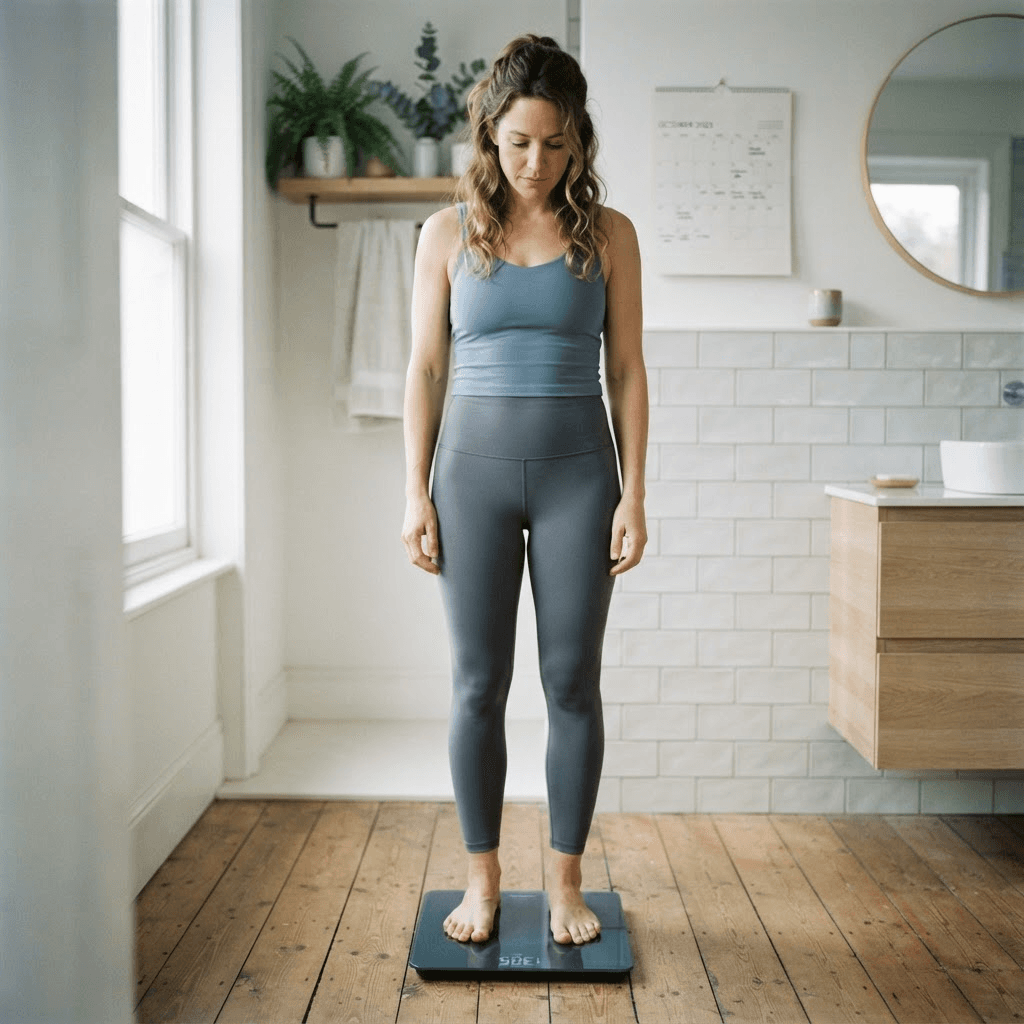
You went to bed after a normal day and woke up three pounds heavier. Panic is the wrong reaction, because arithmetic rules it out: a pound of body fat is roughly 3,500 calories, so an overnight gain of three real pounds would need you to eat over ten thousand surplus calories while you slept. You didn’t. What actually changed is the water your body is holding — and unlike fat, water can arrive and leave in a day. This guide is a triage: work out why you’re holding fluid, act on it safely, and know the one situation where you should stop reading and call a doctor.
First: is it water weight or fat?
Before you change anything, name what you’re dealing with. The two behave nothing alike, and the tell is speed. Fat is stored energy; it accrues and disappears slowly, a fraction of a pound at a time, in step with weeks of eating and moving. Fluid is dynamic — it shifts with a single salty meal, a hot afternoon, a flight, a hormone cycle. If your weight jumped or dropped by more than about a pound in 24 hours, you are looking at water, full stop.
| Clue | Likely water weight | Likely body fat |
|---|---|---|
| Speed of change | Overnight to a few days | Weeks to months |
| Size of swing | 0.5–2 kg (1–4 lb) up or down fast | Roughly 0.25–0.5 kg (0.5–1 lb) per week |
| How it feels | Puffy, tight rings, sock marks, bloated | No puffiness — a gradual change in shape |
| What preceded it | Salty meal, carbs, alcohol, heat, travel, period | A sustained calorie surplus or deficit |
| How fast it reverses | Often gone in 1–3 days | Stays until energy balance changes |
This distinction matters for your sanity as much as your strategy. People abandon a perfectly good calorie deficit because the scale bounced up after a Saturday takeaway, reading a water swing as failed fat loss. It isn’t. Weigh yourself the same way — first thing, after the bathroom, before food — and judge the trend across a fortnight, not the number on any single morning.
Why you’re holding water in the first place
Fluid retention is almost always a response to something, and pinning the cause is what makes the fix fast. Run down this list and see which one describes your last 48 hours — usually it’s one or two of them stacked together.
Salt (the big one)
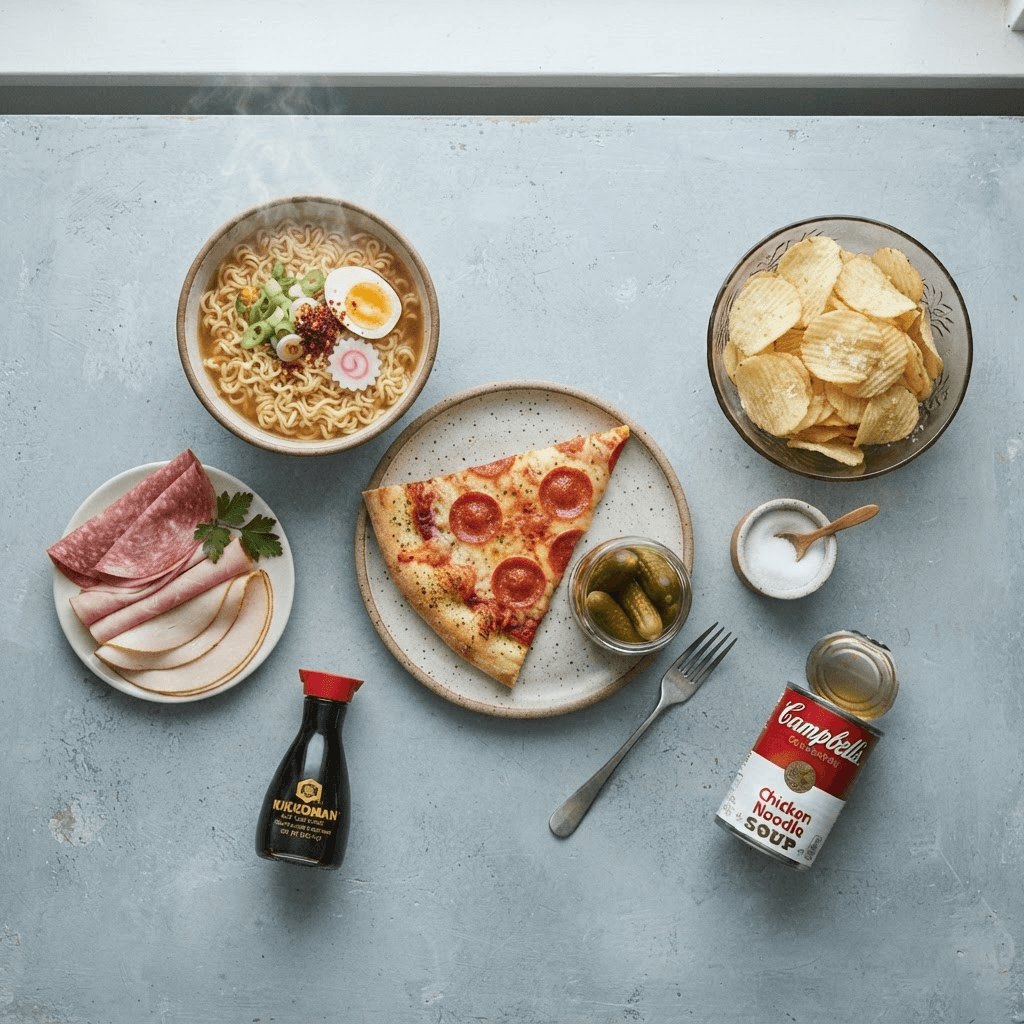
Sodium pulls water with it. Eat a salty meal and your body holds extra fluid to keep the concentration of sodium in your blood steady. That’s why a restaurant dinner, a bag of crisps or a takeaway can add a visible pound or two by morning. It is completely normal and completely temporary.
Carbohydrates
Your body stores carbohydrate as glycogen in muscle and liver, and every gram of glycogen is stored with roughly three grams of water. Refill depleted glycogen — a big pasta night, or the first weekend off a low-carb diet — and several pounds of water come with it. This is also exactly why very-low-carb diets show a dramatic “loss” in week one: most of it is glycogen water leaving, not fat.
Hormones
The menstrual cycle is a classic driver: many people retain noticeable fluid in the days before a period as oestrogen and progesterone shift, then release it once bleeding starts. Stress hormones and some medications (including certain steroids and blood-pressure drugs) can do the same.
Stillness, heat and alcohol
Sitting for hours — a long flight, a desk day — lets fluid pool in your lower legs and ankles through simple gravity. Hot weather widens blood vessels and encourages puffiness. Alcohol is a wildcard: it’s a short-term diuretic that then triggers rebound retention the next day, which is a large part of why a hangover feels so bloated.
The 24–48 hour debloat plan
Here is the part you came for. None of this is a crash or a cleanse — it’s just removing the triggers and giving your kidneys what they need to do their job. Work through it in order.
- Cut the salt today, not the food. Skip processed and restaurant meals for a day or two and cook simply — the sodium you shed here does the heavy lifting. You do not need to eat bland; herbs, citrus, garlic and pepper season fine without salt.
- Drink MORE water, not less. This feels backwards, but under-drinking makes your body cling to fluid. Steady hydration signals there is no shortage and lets the kidneys flush excess sodium. Aim for pale-straw urine.
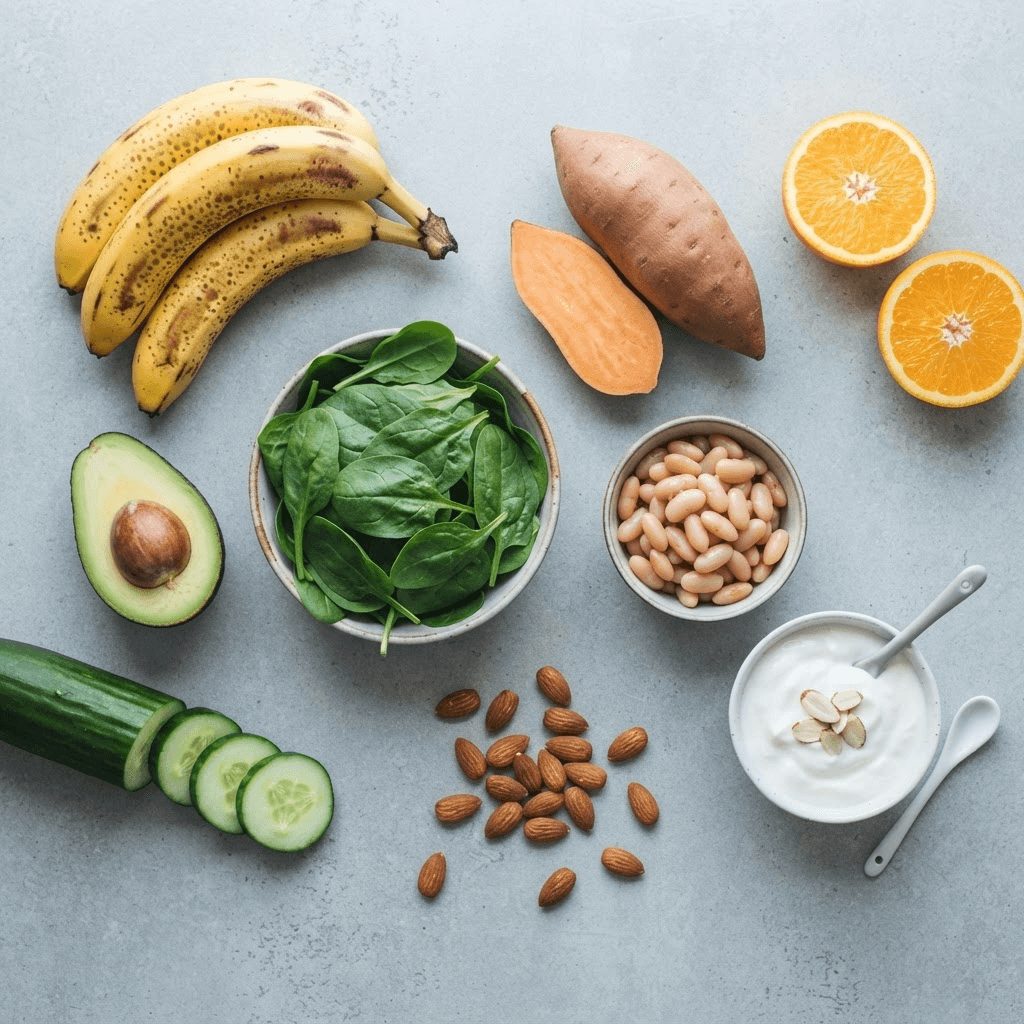
- Eat potassium-rich foods. Potassium is sodium’s counterweight and helps your body release water. Load up on bananas, leafy greens, avocado, beans, potatoes, yoghurt and citrus.
- Move for 20–30 minutes. A brisk walk, a light jog or any activity that gets your calves pumping moves pooled fluid back into circulation so your kidneys can clear it. Movement beats sitting still every time.
- Sleep seven to nine hours. Short sleep raises the stress hormones that encourage retention. A proper night genuinely deflates you by morning.
- Ease off alcohol and refined carbs for 48 hours. Not forever — just long enough to let the rebound retention and glycogen water settle.
How much can you lose, and how fast?
Set expectations so you don’t chase a number that isn’t real. Water weight is genuinely losable in a weekend — but there is a floor, because a healthy body needs its fluid. Here is the honest timeline.
| Timeframe | What’s realistic | What’s happening |
|---|---|---|
| Overnight | 0.5–1 kg (1–2 lb) | A salty or high-carb day clears as sodium and some glycogen water leave |
| 24–48 hours | 1–2 kg (2–4 lb) | The debloat plan removes stacked triggers; ankles and face de-puff |
| 3–5 days | Up to ~2–3 kg (4–6 lb) | Cyclical or travel-related retention fully resolves |
| Beyond that | Diminishing — and no longer just water | Once fluid normalises, further loss must come from fat, which is slow |
Water weight is a loan your body calls back the moment you eat salt again. Fat loss is the money you actually keep.
That last row is the trap. The dramatic drop athletes and dieters chase before a photo or a weigh-in is water, and it returns within a day of normal eating. If your goal is a body that stays leaner, the water game is a sideshow — the main event is a sustainable calorie deficit and, if you’ve stalled, working through a genuine weight-loss plateau.
What NOT to do (the tempting shortcuts that backfire)
Because water weight moves so fast, it attracts terrible advice. These “tricks” work briefly and cost you more than they give.
- Over-the-counter “water pills” and diuretic supplements. Real diuretics are prescription drugs for medical conditions; using them to drop a few pounds can throw off the electrolytes your heart depends on. Not worth it.
- Deliberate dehydration — saunas, sweatsuits, refusing to drink. This shrinks the scale by making you genuinely dehydrated, which impairs concentration, workouts and, at extremes, is dangerous. The weight returns the second you rehydrate.
- Laxatives or “colon cleanses”. They do nothing to body fat, disrupt normal function and can become habit-forming. Steer clear.
- Very low-calorie crash diets. The week-one “whoosh” is mostly glycogen water. It feels motivating and then stalls, and it makes the underlying fat-loss harder to sustain.
- Cutting water intake. The single most common mistake. Drinking less makes retention worse, not better.

When it’s NOT just water: the red flags
Everything above assumes ordinary, self-limiting fluid retention. Sometimes swelling is a symptom of something that needs medical care, and no debloat plan is the right response. Stop and get seen — often urgently — if any of the following apply.
Persistent, unexplained retention that never clears with the basic steps here also deserves a check-up rather than months of guesswork. Ongoing swelling can flag heart, kidney, liver or thyroid conditions, and it is far better caught early. Trust the pattern: everyday water weight comes and goes with what you ate and did; medical swelling tends to be stubborn, one-sided, sudden or paired with other symptoms.
Sources & further reading
Guidance here is drawn from public-health bodies and peer-reviewed research on sodium, fluid balance and oedema. Follow the links to read the originals.
- Sodium intake and healthWorld Health Organization
- Potassium: fact sheet for health professionalsNIH Office of Dietary Supplements
- Edema (swelling): causes and when to seek careMedlinePlus, U.S. National Library of Medicine
- Water, hydration and healthNutrition Reviews
- Deep vein thrombosis (DVT): symptoms and risksCenters for Disease Control and Prevention
Five things to remember about water weight
- 01Water weight is fluid, not fat — the scale can swing 1–2 kg (2–4 lb) in a day and none of it is body fat.
- 02The usual triggers are salt, carbs, hormones, heat, long stillness and alcohol — most reverse in 24–72 hours.
- 03The fastest safe levers are cutting sodium, eating potassium-rich food, moving, and drinking more water, not less.
- 04Do not use “water pills”, laxatives or crash dehydration to make weight — they are a fast route to feeling awful.
- 05Sudden, one-sided, painful or breath-affecting swelling is a red flag: that is a clinic visit, not a debloat plan.
FAQ
Water weight questions, answered fast
How much water weight can you lose in a day?
For most people, roughly half a kilo to a kilo (one to two pounds) can shift overnight, and one to two kilos (two to four pounds) over 24 to 48 hours if you were holding a lot of fluid from salt, carbs or travel. Amounts vary with body size. Anything beyond that is either a longer-standing retention resolving or no longer water at all.
Does drinking more water help you lose water weight?
Yes — this is the counterintuitive part. When you under-drink, your body holds onto fluid as a precaution. Steady hydration signals there is no shortage, so your kidneys can release excess sodium and water more freely. Cutting water intake to “dry out” backfires and usually makes retention worse.
Is water weight the same as being fat?
No. Water weight is temporary fluid your body holds and releases within days; body fat is stored energy that changes slowly over weeks. A fast swing on the scale is water. If you want to lose fat rather than fluid, that comes from a sustained calorie deficit, not a debloat.
Why do I gain water weight before my period?
Shifts in oestrogen and progesterone in the days before a period cause many people to retain noticeable fluid, often with breast tenderness and bloating. It typically peaks just before bleeding starts and resolves in the first few days of the cycle. It is normal and temporary.
Are water pills safe for losing water weight?
Over-the-counter “water pills” and diuretic supplements are not recommended for cosmetic weight loss. Genuine diuretics are prescription medicines for specific medical conditions, and misusing them can disrupt the electrolytes your heart and muscles depend on. Use food, movement, sleep and hydration instead, and see a doctor if swelling persists.
How long does water weight last?
Ordinary water weight from a salty meal, a carb-heavy day or a flight usually clears in one to three days once you remove the trigger and follow the basics. Cyclical retention resolves with your period. Swelling that lingers beyond that, or is sudden, painful or one-sided, is not routine water weight and should be checked by a clinician.
What foods help you get rid of water weight?
Potassium-rich whole foods are the main players: bananas, leafy greens, avocado, beans, potatoes, plain yoghurt and citrus. Magnesium-rich foods such as nuts, seeds and wholegrains help too. Just as important is what you reduce — processed and restaurant foods, which are where most dietary sodium hides.
Keep reading