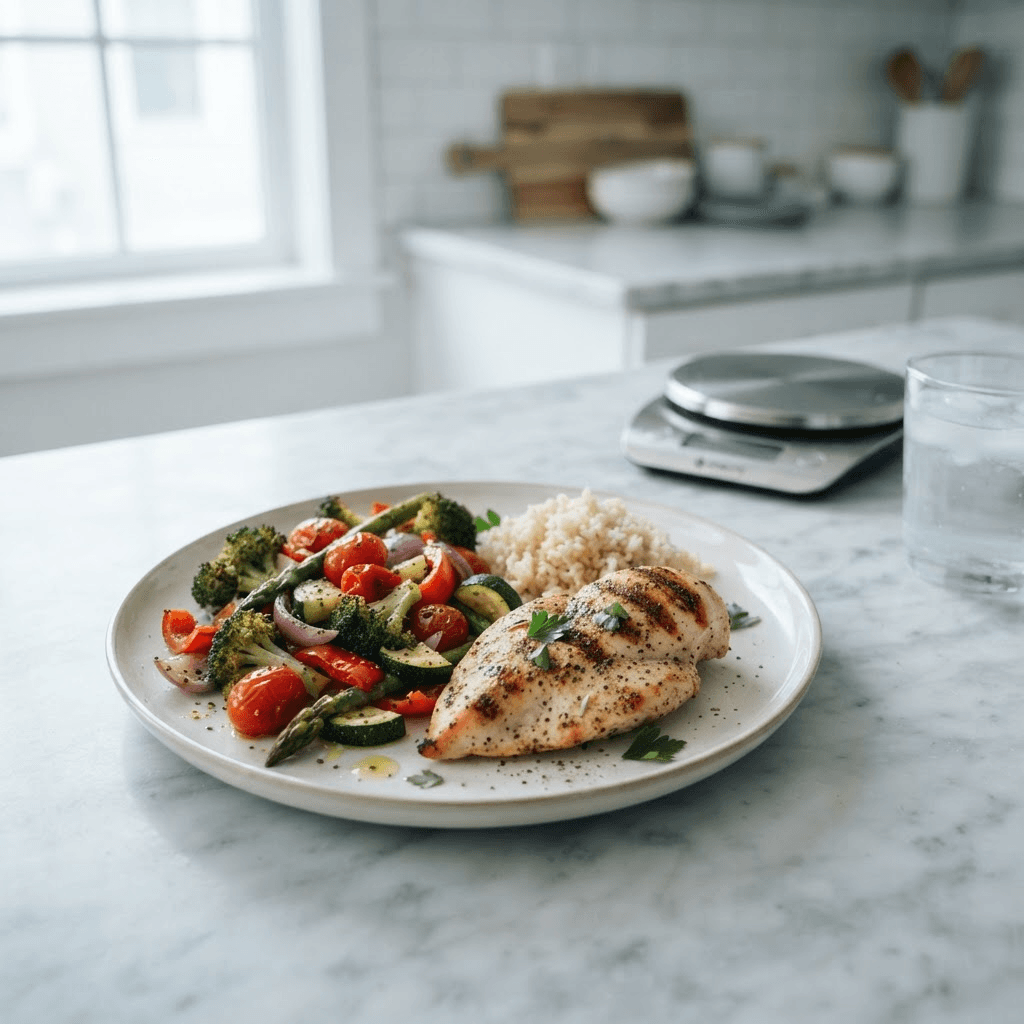
Weight Loss Plateau: Why the Scale Stopped Moving and How to Break It
You did everything right for weeks — and then the scale simply stopped. Before you eat less or train more, read this. A weight loss plateau is a diagnosis, not a verdict, and most of them come from six fixable causes you can work through in order.
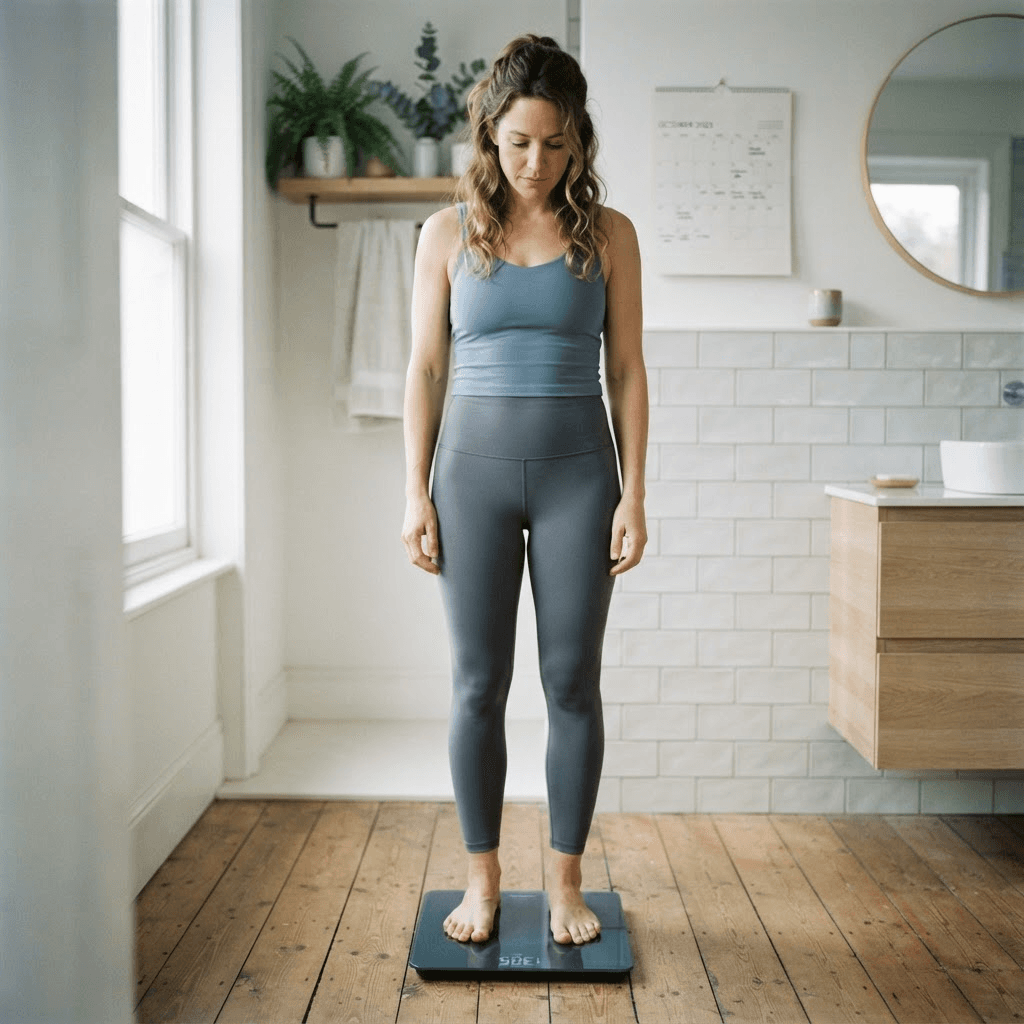
Diagnose first
Six suspects behind almost every real stall
Most genuine plateaus are a combination of two or three of these. The full guide below works through each one — and the exact order to fix them.
- 01Maintenance droppedA lighter body burns less. Your old target drifts toward maintenance.
- 02Portions crept upSame meals, bigger amounts. The most common — and most humbling — cause.
- 03Eating exercise backTrackers overstate burn by 20–40%. The "earned" treat erases the deficit.
- 04Losing muscleToo little protein lowers maintenance faster and deepens the stall.
- 05NEAT collapsedDieting quietly cuts the daily movement you never think about.
- 06Sleep and stressCortisol holds water and can hide real fat loss for weeks.
The scale read the same number this morning as it did on Tuesday. And last Tuesday. You have not changed a thing — same meals, same steps, same discipline that peeled off the first stubborn pounds — and yet the graph on your weigh-in app has gone flat as a table. The instinct that fires next is almost universal, and almost always wrong: eat less, train harder, punish the stall into submission.
Resist that for ten minutes. A weight loss plateau is not a moral failure or a sign your body is "broken", and it is very rarely fixed by the sledgehammer of eating even less. It is a diagnostic puzzle with a short list of usual suspects. This guide walks that list the way a good coach would: first proving whether the plateau is even real, then working through the six things that actually cause a genuine stall, and finally handing you a fix-it sequence in the exact order to try it. No cleanses, no fat-burners, no starving yourself thinner.
Step one: is this even a real plateau?
Most "plateaus" are not plateaus at all. They are the normal, jagged way body weight behaves on its way down. Your weight can swing two to four pounds in a single day on water alone — a salty dinner, a hard workout that inflames muscle, a poor night of sleep, where you are in a menstrual cycle, or simply how much food is currently sitting in your digestive tract. None of that is fat, and none of it is under your control day to day.
This is why the timescale matters more than the number. A useful rule, echoed across the research on body-weight variability, is the three-week test.
| What you are seeing | What it usually is | What to do |
|---|---|---|
| Flat or up for 3–5 days | Water and digestion noise | Nothing. Keep going and keep logging. |
| Flat for 1–2 weeks | Still likely noise, especially near a period or after a hard week | Hold course; do not cut calories yet. |
| Truly flat for 3+ weeks on the weekly average | A genuine plateau worth investigating | Start working through the six causes below. |
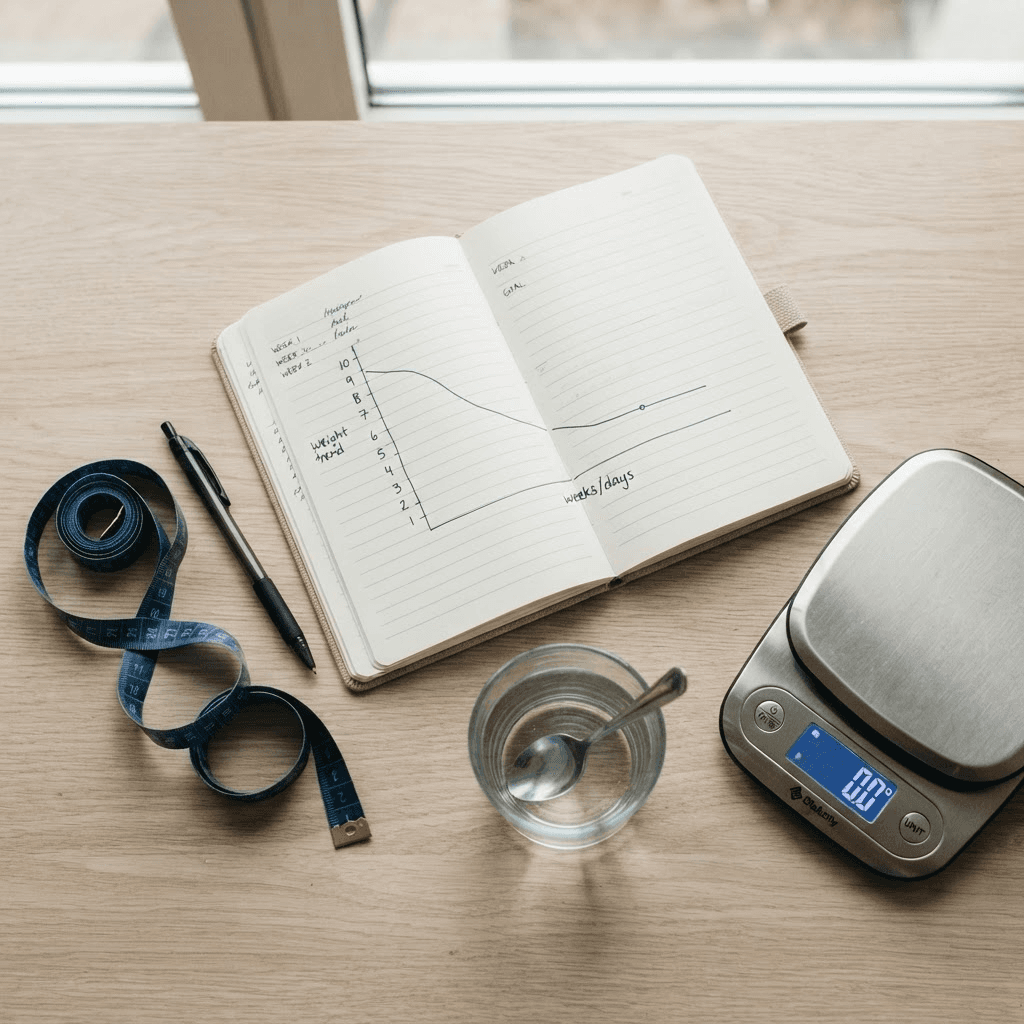
| Scale flat but waist, fit of clothes and strength improving | Recomposition, not a stall | Trust the tape measure over the scale. |
The six reasons fat loss actually stalls
Once you have confirmed the stall is real, it is time to diagnose. In practice, almost every genuine plateau traces back to one of these six causes — usually a combination of two or three. Read each as a symptom-and-fix pair and be honest about which ones sound like you.
1. Your maintenance calories quietly dropped
This is the big one, and the least understood. A smaller body burns fewer calories. The 1,800-calorie target that created a healthy deficit when you weighed more slowly drifts toward maintenance as the pounds come off, because you are now carrying less weight around all day. Part of this is simple physics; a smaller part is metabolic adaptation, where your body becomes modestly more efficient during a diet. The fix is not panic — it is recalculating. Every 10–15 pounds lost, your numbers deserve a recheck. Our guide to setting a calorie deficit for weight loss shows how to reset the target to your current, lighter self.
2. Portions crept up without you noticing
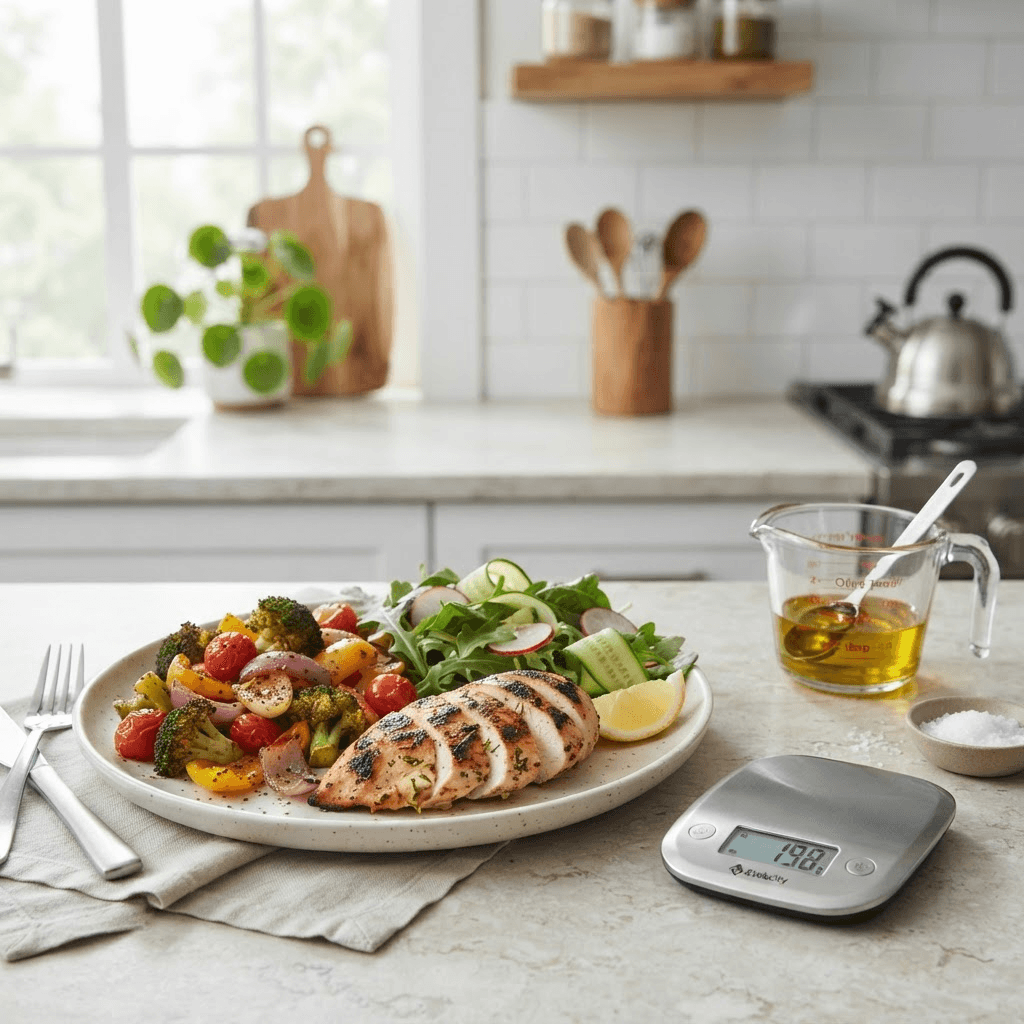
The most humbling cause and the most common. Nothing about your diet "changed" — except the olive oil is now a generous glug instead of a measured tablespoon, the handful of nuts became two, the eyeballed chicken breast is 40 grams heavier, and the weekends stopped counting. This is portion drift, and it is completely normal. Studies on self-reported intake consistently find people underestimate what they eat, often by hundreds of calories. The fix is a short, honest audit: weigh and log everything for three to five days, weekend included, with zero judgement. You are not on trial. You are gathering evidence.
3. You are eating back your exercise
Fitness trackers are wildly generous with calorie estimates — often overstating burn by 20–40%. If your watch says a workout torched 600 calories and you "earn" a 600-calorie treat, you have likely erased the entire deficit and then some. Exercise is superb for health, muscle and appetite regulation, but it is a poor eraser for a fork. The fix: treat exercise calories as a bonus you do not spend. Set your intake based on your goal and let training be the thing that keeps you strong, not the thing that buys you dessert.
4. You are under-eating protein and losing muscle
When a stall comes with flat energy, weaker workouts and a softer look despite a lower number, the culprit is often lost muscle. Muscle is metabolically active tissue; lose it and your maintenance falls faster than it should, deepening the plateau. Protein is the defence. Aim for roughly 1.6 grams per kilogram of your goal body weight, spread across the day, and keep lifting something heavy two or three times a week. Our high-protein foods list turns the target into real meals, and strength training for beginners gives your body a reason to keep the muscle it has.

5. Your everyday movement collapsed
Here is the sneakiest saboteur of all. When you diet, your body defends its weight by quietly turning down the movement you never think about — the fidgeting, the pacing on phone calls, the stairs, the general restlessness. Scientists call it NEAT, non-exercise activity thermogenesis, and it can swing daily burn by hundreds of calories entirely below your awareness. You feel more tired, sit more, take fewer steps, and the deficit evaporates without a single extra bite. The fix is refreshingly low-tech: protect a daily step floor. A consistent walking habit is the single most reliable way to rebuild the movement a diet steals back.

6. Sleep debt and stress are hiding your progress
Poor sleep and chronic stress raise cortisol, and cortisol makes your body cling to water — which can mask real fat loss on the scale for weeks. Short sleep also ramps up hunger hormones, making portion drift far more likely. Sometimes the fat is leaving on schedule and water is simply sitting on top of it, hiding the result until you finally string together a few good nights and the number drops several pounds "overnight". The fix lives outside the kitchen: prioritise seven to nine hours, and manage stress deliberately rather than eating it.
A plateau is not your body refusing to lose fat. It is your body telling you that the plan that got you here needs one small, specific adjustment to take you further.
The fix-it sequence: change things in this order
The temptation is to do everything at once — slash calories, add workouts, cut carbs, buy supplements. Do not. Change one variable at a time so you can actually tell what worked, and always start with the levers that do not require eating less. Work down this list, giving each step two full weeks before moving on.
- Audit before you adjust. Weigh and log everything for 3–5 days, weekends included. Most plateaus are solved right here, without changing the plan at all.
- Rebuild your movement. Set a daily step floor and hit it every day. This restores the NEAT a diet quietly stripped away.
- Lock in protein and lifting. Hit your protein target and strength-train 2–3 times a week to protect the muscle that keeps maintenance high.
- Stop eating back exercise. Treat tracker calories as unreliable and do not spend them.
- Fix sleep and stress. Aim for consistent 7–9 hour nights before you touch your intake.
- Only now, recalculate the deficit. If the stall survives all of the above for three weeks, trim 100–150 calories from your current maintenance — a nudge, never a crash.
When the plateau is actually the finish line
Not every stall needs breaking. Sometimes the scale settles because your body has arrived somewhere sustainable, and the honest move is to stop chasing a smaller number and start defending this one. If your waist is still shrinking, your clothes fit better and your lifts are climbing while the scale holds, you are recomposing — losing fat and holding muscle — and the scale is simply the wrong tool to measure it.
Ask what you are actually optimising for. Endless dieting has real costs: lost muscle, a worn-down relationship with food, and a metabolism running on fumes. If you are near a weight you feel good at, a "plateau" may be an invitation to transition into maintenance, keep the habits, and let your body enjoy stability for a while before any future push.
When to check with a professional
A stubborn, weeks-long plateau despite a genuinely audited, consistent effort — especially alongside symptoms like unusual fatigue, cold intolerance, hair changes or low mood — is worth a conversation with your doctor. Thyroid issues, certain medications, PCOS and other conditions can genuinely blunt weight loss. This is not the common cause of a plateau, but it is a real one, and no amount of step-counting will fix a medical problem. Get bloods checked rather than guessing.
Sources and further reading
The guidance above reflects established public-health advice and peer-reviewed research on body-weight regulation, energy balance and metabolic adaptation.
- Metabolic adaptation and its role in weight-loss maintenanceNational Institutes of Health (NIH)
- Misreporting of energy intake in self-reported diet recordsAmerican Journal of Clinical Nutrition
- Non-exercise activity thermogenesis (NEAT) and energy balanceMayo Clinic / Best Practice & Research Clinical Endocrinology
- Physical activity and healthy weight guidanceWorld Health Organization (WHO)
The whole guide in six lines
Before you eat less, check these
- 01A stall under three weeks is almost always water and noise, not a true plateau — do not react to it.
- 02As you lose weight your maintenance calories fall, so the deficit that worked in month one slowly becomes maintenance by month three.
- 03The most common real cause is portion drift: the food is the same, the amounts quietly grew.
- 04Fix things in order — audit intake, protect protein, rebuild daily movement — before ever cutting calories again.
- 05A diet break at maintenance for one to two weeks can restart loss better than eating even less.
- 06If inches, strength and sleep are improving while the scale sits still, you may not have a plateau at all.
Straight answers
Plateau questions people ask when the scale stalls
- Q1How long does a weight loss plateau usually last?
- A genuine plateau — a flat weekly average for three weeks or more — often resolves within two to four weeks once you find and fix the cause, most commonly portion drift or reduced daily movement. Anything shorter than three weeks is usually normal water fluctuation rather than a true plateau.
- Q2Should I eat less to break a plateau?
- Not first. Eating less is the last lever to pull, not the first. Start by auditing your actual intake, rebuilding daily steps, locking in protein and improving sleep. Only if a real stall survives all of that for three weeks should you trim a small amount — around 100–150 calories — from your current maintenance.
- Q3Why am I not losing weight even in a calorie deficit?
- Usually because the deficit is smaller than you think. Portions creep up, tracker calories get eaten back, and your maintenance falls as you lose weight, so an old target becomes maintenance. Occasionally water retention from stress or poor sleep is masking real fat loss. A three-to-five-day honest food log almost always reveals the gap.
- Q4Can a diet break really help me lose weight again?
- Yes, for many people. Eating at maintenance for one to two weeks can ease diet fatigue, reduce stress-related water retention and restore adherence, making it easier to return to a deficit and start losing again. It works best as a planned, time-limited break rather than an open-ended pause.
- Q5The scale is stuck but my clothes fit better — is that a plateau?
- Probably not. If your waist measurement is dropping, clothes fit looser and your strength is improving while the scale holds, you are likely losing fat and holding or building muscle — body recomposition. Trust the tape measure and progress photos over the scale, because weight alone cannot see the difference between fat and muscle.
Keep the scale moving